2026 Guide To Getting A Mobility Service Dog: Costs & Breeds
Discover the 2026 costs, best breeds, and ADA guidelines for getting a mobility service dog. Compare program vs. owner-training expenses.
Understanding Mobility Assistance Dogs in 2026
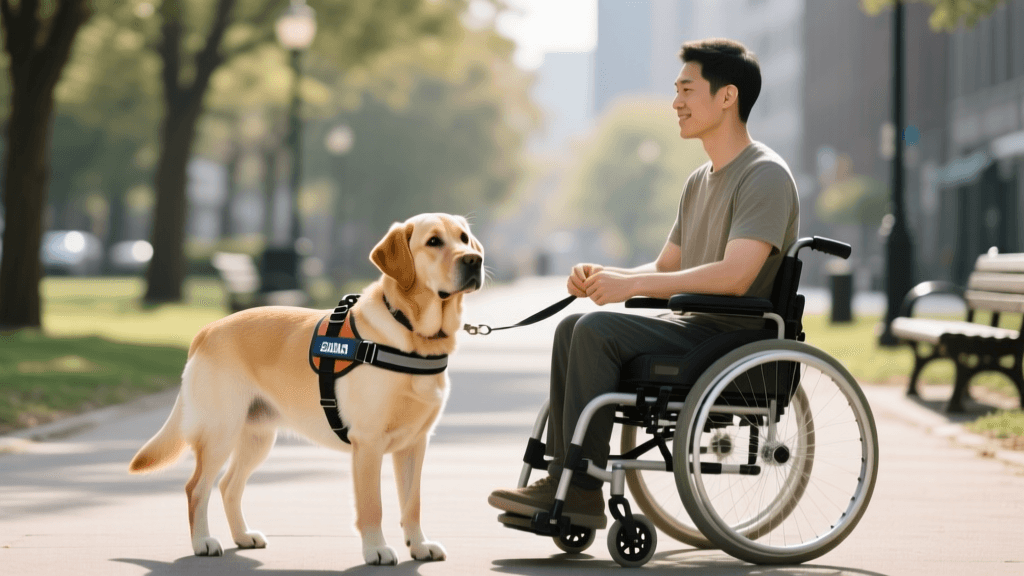
Getting a dog is a life-changing decision, but when that dog is trained to mitigate a physical disability, it becomes a lifeline. Mobility service dogs are specifically trained to assist individuals with physical impairments by performing tasks such as retrieving dropped items, opening and closing doors, pulling wheelchairs, and providing crucial balance support or brace work. As we navigate the landscape of service dog acquisition in 2026, prospective handlers must understand the rigorous health standards, financial commitments, and legal frameworks that govern these incredible working animals.
According to the U.S. Department of Justice ADA Service Animal Guidelines, a service dog must be individually trained to do work or perform tasks for a person with a disability. Emotional support, therapy, or comfort animals do not qualify under the Americans with Disabilities Act (ADA). Therefore, the journey to getting a mobility dog requires a meticulous approach to breed selection, health screening, and specialized task training.
Best Breeds for Mobility Tasks in 2026
Not every dog is physically or temperamentally suited for mobility work. In 2026, reputable breeding programs and service dog organizations prioritize structural integrity, joint health, and a calm, biddable temperament. For tasks involving brace work or wheelchair pulling, the dog must possess significant physical mass—typically a minimum of 55 pounds and 24 inches at the shoulder—to safely absorb weight without risking orthopedic injury.
1. Labrador Retriever
The Labrador Retriever remains the gold standard for mobility work due to its eagerness to please, high food drive, and sturdy build. In 2026, top-tier service dog breeders rely heavily on OFA (Orthopedic Foundation for Animals) PennHIP scoring to ensure breeding stock has exceptional hip and elbow joints, drastically reducing the risk of dysplasia in working dogs.
2. Golden Retriever
Golden Retrievers offer a slightly softer temperament and excel in tasks requiring gentle retrieval and deep pressure therapy. They are highly attuned to their handler's emotional and physical state, making them ideal for individuals with fluctuating mobility conditions or chronic pain syndromes.
3. Bernese Mountain Dog
Historically bred for draft work, the Bernese Mountain Dog possesses the raw pulling power and broad chest necessary for wheelchair assistance and heavy brace work. However, prospective handlers in 2026 must be acutely aware of the breed's shorter lifespan and work closely with veterinarians to monitor for degenerative myelopathy and cardiac issues.
4. Standard Poodle
For handlers with severe allergies, the Standard Poodle is the premier choice. Modern breeding programs have successfully increased the bone density and muscle mass of the Standard Poodle, allowing larger males to safely perform light brace work and retrieval tasks while maintaining a hypoallergenic coat.
The True Cost of Getting a Mobility Dog in 2026
The financial investment required to acquire a fully trained mobility service dog is substantial. Handlers generally choose between two pathways: applying to a nonprofit program or owner-training with the help of a professional specialist. According to data tracked by Assistance Dogs International (ADI), the cost of raising, veterinary screening, and professionally training a service dog over 18 to 24 months has risen with inflation, reflecting the intensive labor and specialized veterinary care required.
| Expense Category | Program Dog (2026 Estimate) | Owner-Trained (2026 Estimate) |
|---|---|---|
| Acquisition / Breeder Fee | Included (Waitlists 2-4 years) | $2,500 - $4,500 |
| Professional Task Training | Included | $4,000 - $8,000 |
| Custom Mobility Harness & Gear | Included | $800 - $1,800 |
| Veterinary & OFA Clearances | Included | $1,200 - $2,500 |
| Public Access Testing & Certs | Included | $300 - $600 |
| Total Estimated Cost | $25,000 - $50,000 | $8,800 - $17,400 |
Note: While program dogs have a higher upfront sticker price, many ADI-accredited nonprofits offer grants, fundraising assistance, and sponsorships to help offset the cost for qualifying disabled individuals.
Owner-Training vs. Program Dogs
Deciding between a program dog and an owner-trained dog is one of the most critical choices in the American Kennel Club's Service Dog Training Guide. Program dogs offer the distinct advantage of being bred specifically for service work, raised by professional puppy raisers, and trained by certified instructors. The washout rate—dogs that fail to meet the rigorous standards for public access or task reliability—is absorbed by the organization, protecting the handler from the heartbreak and financial loss of a failed prospect.
Conversely, owner-training allows the handler to bond with the dog from puppyhood and tailor the training to their specific, niche mobility needs. However, owner-training requires a minimum of 1,000 hours of dedicated training over 18 to 24 months. Handlers must hire specialized service dog trainers, manage all veterinary expenses, and navigate the complex process of public access testing. In 2026, many handlers opt for a hybrid approach: purchasing a pre-screened, temperament-tested prospect from a specialized service dog breeder and hiring a professional trainer to guide the task-training process.
Legal Rights and ADA Guidelines
Understanding your legal rights is paramount when getting a service dog. Under the ADA, mobility service dogs are permitted to accompany their handlers in all areas where the public is allowed, including restaurants, hospitals, and public transportation. Businesses may only ask two legally permissible questions:
- Is the dog a service animal required because of a disability?
- What work or task has the dog been trained to perform?
Businesses cannot demand medical documentation, require a demonstration of the task, or charge a pet fee. However, the dog must be under the handler's control at all times and housebroken. If a mobility dog exhibits aggressive behavior or uncontrolled barking, a business has the right to ask the team to leave.
Preparing Your Home for a Working Dog
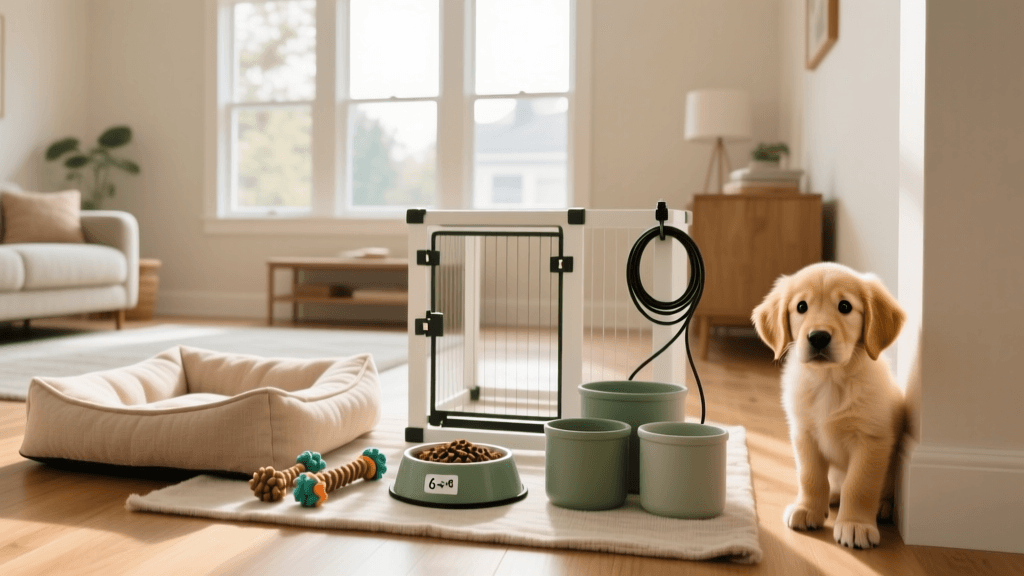
Before bringing your mobility partner home, your living environment must be optimized for both the dog's safety and its working efficiency. Working dogs put immense physical strain on their bodies; therefore, preserving their joint health is a top priority in 2026.
- Orthopedic Resting Areas: Invest in a high-quality, human-grade orthopedic bed, such as the Big Barker 7-inch platform bed, to prevent calluses and support joint recovery after a long day of brace work or pulling.
- Traction Flooring: Slippery hardwood or tile floors can cause micro-tears in a working dog's soft tissue and accelerate hip dysplasia. Lay down interlocking foam mats or low-pile, non-slip rugs in the dog's primary resting and working areas.
- Accessible Storage: Install low-level hooks and cubbies for the dog's custom mobility harness, leash, and working vest so you can easily gear the dog up without bending or straining.
- Vehicle Ramps: If your mobility dog needs to travel with you, purchase a heavy-duty, bi-fold or tri-fold ramp rated for at least 150 pounds to allow the dog to enter and exit your vehicle without jumping, which can cause severe spinal compression over time.
Conclusion
Getting a mobility service dog in 2026 is a profound commitment of time, finances, and physical care. Whether you choose to navigate the waitlist of an ADI-accredited program or embark on the rigorous journey of owner-training, the end result is a profound partnership. By selecting the right breed, investing in proper veterinary and structural care, and understanding your legal rights, you will forge an unbreakable bond with a working dog that will grant you unparalleled independence and mobility.
beth-carrasco
All our authors care for dogs every day — read more of their work on the authors page.