Getting a French Bulldog: Your Ultimate Prep Guide
Discover everything you need to know before getting a French Bulldog. Learn about essential gear, health costs, and home prep for your new Frenchie.
The Rise of the French Bulldog
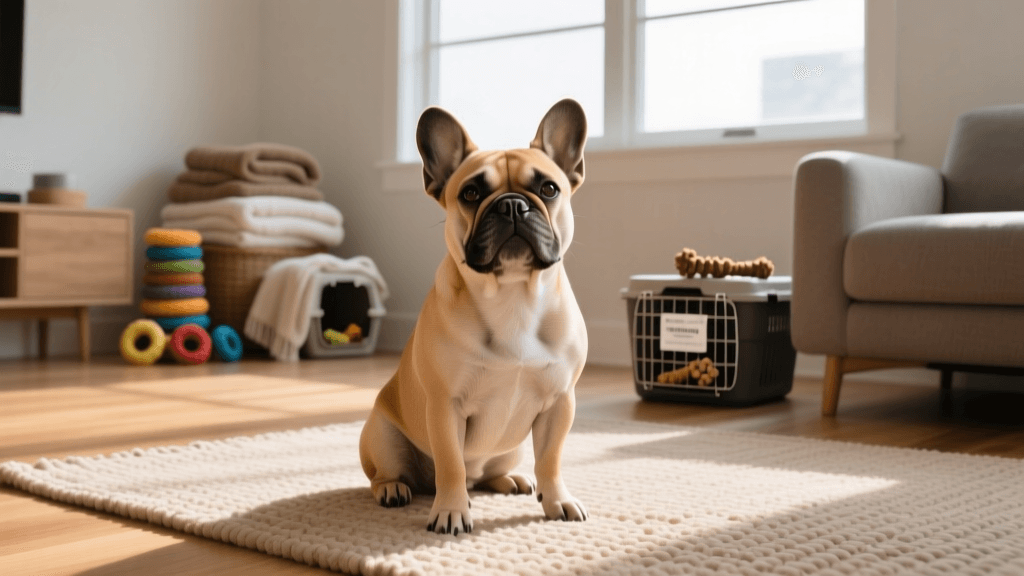
The French Bulldog, affectionately known as the Frenchie, has skyrocketed in popularity over the last decade, recently claiming the top spot as the most popular dog breed in the United States according to the American Kennel Club. Their unmistakable bat-like ears, smushed faces, and clownish personalities make them irresistible companions. However, getting a French Bulldog requires far more preparation than picking out a cute collar. Because they are a brachycephalic (flat-faced) breed with a unique skeletal structure, Frenchies have specific environmental, medical, and gear-related needs that every prospective owner must understand before bringing one home.
Understanding the Brachycephalic Anatomy
Before you bring a Frenchie puppy or rescue into your home, it is critical to understand their physical limitations. Frenchies belong to a group of breeds known as brachycephalic dogs, meaning they have shortened skulls and flat faces. While this gives them their signature adorable expression, it also leads to Brachycephalic Obstructive Airway Syndrome (BOAS). According to the American College of Veterinary Surgeons, BOAS can cause narrowed nostrils, an elongated soft palate, and a narrowed trachea, making it difficult for the dog to breathe efficiently and regulate their body temperature. Unlike humans or longer-snouted dogs, Frenchies do not cool down efficiently through panting. This means that getting a French Bulldog means committing to a climate-controlled lifestyle. You will need to keep your home's thermostat strictly between 68°F and 72°F during the warmer months, and you must avoid walking them during the heat of the day. Even a fifteen-minute walk in 80-degree weather can trigger a life-threatening heatstroke emergency.
Essential Gear for Your Frenchie
Standard dog supplies often fall short for French Bulldogs. Due to their unique proportions—broad chests, thick necks, and narrow rears—you need specialized gear to ensure their safety and comfort. Here is a structured list of Frenchie-specific essentials you must purchase before their first day home:
- No-Pull Harness (Never a Neck Collar): Because of their compromised airways, attaching a leash to a traditional neck collar can put dangerous pressure on their trachea. Invest in a crash-tested, padded harness like the Kurgo Tru-Fit Smart Dog Harness. Ensure it features a front D-ring for leash attachment to gently redirect pulling without choking your dog. Measure your Frenchie's chest girth right behind the front legs; most adult Frenchies fall into the Medium size category (18-25 inches).
- Cooling Mat and Vest: Since temperature regulation is a major health risk, cooling gear is non-negotiable. The Arf Pets Self Cooling Mat uses a pressure-activated gel that absorbs body heat without requiring electricity or refrigeration. For outdoor bathroom breaks in the summer, a cooling vest like the Ruffwear Swamp Cooler can be soaked in water and draped over their core to lower their body temperature safely.
- Tilted or Shallow Food Bowls: Frenchies often swallow excess air while eating from flat bowls on the floor, leading to painful gas and an increased risk of bloat. Purchase a tilted ceramic bowl (angled at 15 degrees) or a shallow, wide-lipped bowl to allow them to eat with their head elevated, reducing air intake and neck strain.
- Frenchie-Specific Life Jacket: French Bulldogs are notoriously top-heavy and possess very little body fat, making them physically incapable of swimming. If you have a pool or live near water, a custom-fitted canine life jacket with a sturdy top handle, such as the Outward Hound Granby Splash, is a mandatory safety purchase.
Home Preparation and Joint Protection
French Bulldogs are prone to spinal issues, most notably Intervertebral Disc Disease (IVDD) and hip dysplasia. Their compact, muscular bodies put immense strain on their short spines, especially when jumping on and off furniture. To Frenchie-proof your home, you must eliminate the need for them to leap. Invest in high-density foam pet stairs or ramps, such as the PetSafe CozyUp Folding Pet Steps, and place them next to every couch and bed your dog is allowed on. Train your Frenchie to use these ramps from day one using high-value treats like freeze-dried liver. Additionally, consider laying down interlocking foam floor mats or non-slip area rugs over slippery hardwood or tile floors. Splaying on slippery surfaces can lead to torn cruciate ligaments (CCL) and exacerbated joint pain over time.
Financial Breakdown: The True Cost of a Frenchie
Getting a French Bulldog is a significant financial commitment. Their specialized healthcare needs and susceptibility to genetic conditions mean that budgeting for a Frenchie goes far beyond the initial purchase price. Below is a comprehensive breakdown of the estimated costs associated with owning a French Bulldog.
| Expense Category | Estimated Cost (USD) | Frequency / Notes |
|---|---|---|
| Puppy Purchase (Reputable Breeder) | $2,500 - $5,500 | One-time (Varies by lineage and color) |
| Comprehensive Pet Insurance | $60 - $120 / month | Monthly (Crucial for BOAS and IVDD coverage) |
| Initial Vet Care & Spay/Neuter | $800 - $1,500 | One-time (Includes specialized anesthesia protocols) |
| Specialized Gear (Harness, Ramp, Cooling) | $250 - $450 | One-time (Initial setup) |
| Allergy & Dermatology Care | $300 - $800 / year | Annual (Frenchies are highly prone to skin allergies) |
| High-Quality Diet & Supplements | $60 - $100 / month | Monthly (Joint support and sensitive stomach formulas) |
It is highly recommended to secure pet insurance before you bring your puppy home. Pre-existing conditions, particularly respiratory and spinal issues, are universally excluded from pet insurance policies. Companies like Trupanion or Healthy Paws are popular among Frenchie owners due to their high payout limits for chronic conditions.
Health Testing and Finding a Reputable Source
Whether you are adopting a rescue or buying from a breeder, health transparency is paramount. The French Bull Dog Club of America mandates that responsible breeders perform specific health clearances. You should request documentation proving the puppy's parents have been tested and cleared by the Orthopedic Foundation for Animals (OFA) for hips and patellas, as well as a BOAS grading test. Avoid breeders who cannot provide these certificates or who focus solely on 'rare colors' like blue or merle, which are often linked to severe genetic defects and color dilution alopecia. If adopting, look for breed-specific rescues like the French Bulldog Rescue Network, which thoroughly evaluates dogs for respiratory and spinal health before placing them in foster homes.
First 30 Days: Training and Routine
French Bulldogs are incredibly intelligent but notoriously stubborn. They were bred to be companion lap dogs, not working dogs eager to please on command. This means traditional, repetitive training methods will likely result in your Frenchie simply ignoring you. Instead, rely on short, five-minute training sessions using high-value rewards. Potty training can be particularly challenging due to their small bladders and stubborn nature. Establish a rigid schedule: take them outside immediately upon waking, after every meal, after play sessions, and right before bed. Use a consistent verbal cue like 'Go Potty' and reward them instantly with a treat the second they finish. Crate training is also essential for their safety when unsupervised, but ensure the crate is placed in a cool, well-ventilated area of the house, never in direct sunlight.
Pro Tip: Clean your Frenchie's facial folds daily. The deep wrinkles around their nose and eyes trap moisture, dirt, and yeast, which can quickly lead to painful skin infections. Use unscented canine facial wipes or a damp cotton pad followed by a dry cloth to keep their folds pristine.
Conclusion
Getting a French Bulldog is a deeply rewarding experience that brings endless joy, laughter, and affection into your home. However, their unique anatomy requires a proactive, educated, and financially prepared owner. By investing in the proper harnesses, climate-control gear, and joint-protecting home modifications, you set the stage for a long, comfortable life. Remember that responsible ownership starts before the dog ever crosses your threshold. Do your research, secure comprehensive pet insurance, and prepare your home to accommodate their specific needs. With the right preparation, your Frenchie will thrive as the ultimate, loving companion.
robin-maitland
All our authors care for dogs every day — read more of their work on the authors page.