Getting a Dog: Google's Top Questions on Costs and Prep
Getting a dog? We answer Google's most-asked questions about first-year costs, essential supplies, puppy-proofing, and adoption versus buying.

Introduction to Dog Ownership
Bringing a new dog into your life is one of the most rewarding decisions you can make, but it is also a massive commitment that raises a lot of questions. If you have been scouring the internet for answers, you are not alone. Every month, millions of prospective pet parents type their biggest concerns into search engines. To help you cut through the noise, we have compiled and answered Google's most-asked questions about getting a dog, focusing on the real costs, essential preparation, and critical first steps. Whether you are bringing home an eight-week-old puppy or a senior rescue, this comprehensive guide will ensure you are fully prepared for the journey ahead.
How Much Does a Dog Actually Cost in the First Year?
The financial reality of dog ownership is the number one question asked online. According to industry estimates, the first year of dog ownership is the most expensive due to initial medical procedures, gear, and training. Many new owners are caught off guard by the cumulative cost of veterinary visits, which include a series of core vaccines, rabies shots, heartworm testing, and spay or neuter surgeries. Below is a realistic breakdown of what you can expect to spend during the first twelve months.
| Expense Category | Low Estimate | Average Estimate | High Estimate |
|---|---|---|---|
| Adoption/Breeder Fee | $50 | $500 | $3,000+ |
| Initial Veterinary Care | $200 | $450 | $800 |
| Spay/Neuter | $150 | $400 | $800 |
| Supplies & Gear | $150 | $300 | $600 |
| Food & Treats | $250 | $500 | $1,000 |
| Training Classes | $0 | $200 | $500 |
| Total First-Year Cost | $800 | $2,350 | $6,700+ |
Ongoing Monthly Expenses
After the initial setup, you must budget for ongoing monthly expenses. High-quality kibble or fresh food diets, monthly heartworm and flea/tick preventatives (like Simparica Trio or Interceptor Plus), and pet insurance premiums will typically run between $100 and $250 per month, depending on your dog's size and your geographic location.
Is Pet Insurance Worth It for a New Dog?
A rapidly growing question on Google is whether pet insurance is a scam or a necessity. The short answer is that it is highly recommended, especially if you are getting a puppy. Breeds prone to genetic conditions, such as French Bulldogs (respiratory and spinal issues) or Golden Retrievers (hip dysplasia and cancer), can incur thousands of dollars in emergency veterinary bills. Enrolling your dog in a comprehensive accident and illness policy before any symptoms arise ensures that pre-existing condition clauses do not void your coverage. Companies like Healthy Paws, Trupanion, and Lemonade offer customizable deductibles and reimbursement levels. Expect to pay between $30 and $70 a month for a solid puppy policy.
What Are the Essential Supplies I Need Before Bringing a Dog Home?
Walking into a pet supply store can be overwhelming. To avoid wasting money on unnecessary gadgets, focus on these proven essentials before your dog arrives:
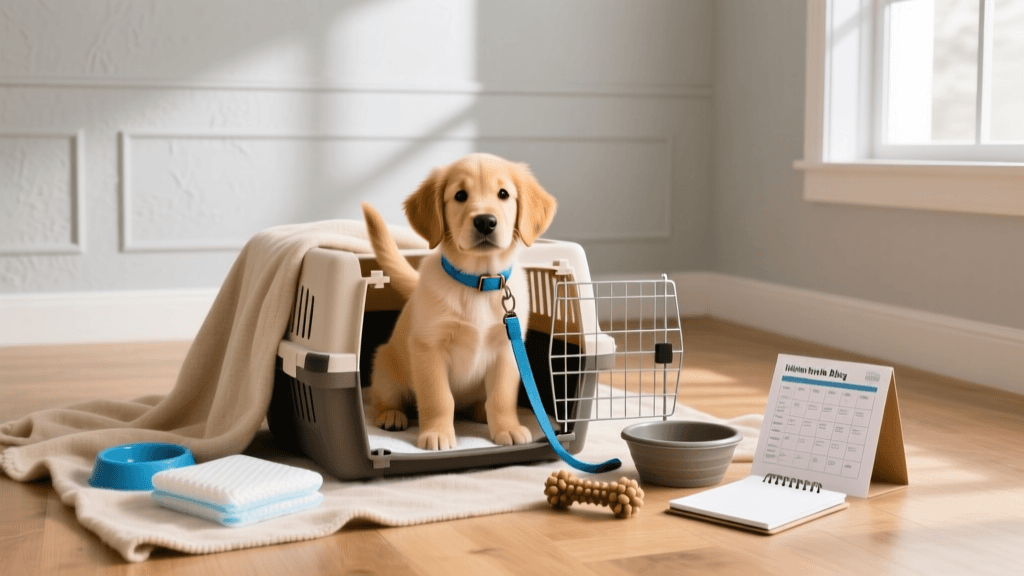
- Properly Sized Crate: For a medium-to-large breed puppy, purchase a 36-inch or 42-inch wire crate with a divider panel. This allows you to expand the space as they grow, aiding significantly in housebreaking.
- Stainless Steel or Ceramic Bowls: Avoid plastic bowls, which can harbor bacteria and cause canine acne. A 2-quart capacity is usually sufficient for most adult dogs.
- 6-Foot Nylon or Leather Leash: Skip the retractable leash for initial training. A standard 6-foot leash gives you control while allowing your dog enough slack to sniff and explore safely.
- Enzymatic Cleaner: Accidents will happen. An enzymatic cleaner like Nature's Miracle breaks down the uric acid crystals that standard household cleaners leave behind, preventing repeat offenses.
- Long-Lasting Chews: To save your furniture, stock up on safe chews like Yak cheese, bully sticks, or Kong toys stuffed with frozen peanut butter.
Should I Adopt from a Shelter or Buy from a Breeder?
This is a deeply personal choice, but understanding the differences is crucial. Adopting from a shelter or rescue organization typically costs between $50 and $300. This fee usually covers spaying/neutering, microchipping, and initial vaccinations. The Humane Society of the United States strongly advocates for adoption, noting that millions of healthy, adoptable dogs are in need of homes. Furthermore, adopting an adult dog allows you to bypass the exhausting puppy chewing and housebreaking phases.
On the other hand, purchasing from a reputable, ethical breeder can cost anywhere from $1,500 to over $3,000. The advantage here is predictability regarding the dog's adult size, temperament, and genetic health history. A good breeder will perform OFA (Orthopedic Foundation for Animals) health testing on the parents and provide a comprehensive health guarantee. Never purchase puppies from pet stores or online marketplaces that ship puppies without allowing you to visit the breeding facility, as these are often linked to puppy mills.
How Do I Properly Puppy-Proof or Dog-Proof My Home?
Dogs explore the world with their mouths, making your home a potential minefield. Before bringing your new dog home, get down on your hands and knees to view your house from their perspective. Secure loose electrical cords using PVC pipe or cord concealers. Move household chemicals, medications, and toxic foods (like xylitol, grapes, and chocolate) to high cabinets.
You must also audit your indoor and outdoor plants. The ASPCA's Toxic and Non-Toxic Plants list is an invaluable resource. Common household plants like Sago Palms, Lilies, and Pothos are highly toxic to dogs and can cause fatal liver or kidney failure. If you have a multi-story home or want to restrict access to certain rooms, invest in hardware-mounted baby gates that are at least 30 inches tall to prevent medium and large breeds from jumping over them.
When Should I Start Training and Socialization?
Many new owners mistakenly believe they should keep their puppy isolated at home until they have received all their vaccines (usually around 16 weeks). However, the American Veterinary Society of Animal Behavior (AVSAB) emphasizes that the critical window for puppy socialization is between 8 and 16 weeks of age. In their Puppy Socialization Position Statement, the AVSAB notes that the risk of a dog developing behavioral problems and subsequently being surrendered to a shelter far outweighs the risk of contracting an infectious disease during this period.
You should safely expose your puppy to various surfaces (grass, gravel, metal grates), sounds (vacuum cleaners, traffic, thunderstorms), and people of different ages and appearances. Enroll in a puppy kindergarten class that requires proof of at least the first set of vaccines and maintains strict sanitation protocols. Start basic obedience training—focusing on sit, recall, and leave it—on day one using positive reinforcement and high-value treats like boiled chicken or freeze-dried liver.
Final Thoughts on Getting a Dog
Getting a dog is a life-changing event that requires financial readiness, environmental preparation, and a commitment to ongoing education. By understanding the true costs, investing in the right gear, and prioritizing early socialization, you set the foundation for a lifelong, harmonious relationship with your new best friend. Take your time, do your research, and prepare your home so that your dog's first day is just the beginning of a wonderful journey.
anouk-beaumont
All our authors care for dogs every day — read more of their work on the authors page.