Getting a Greyhound: What to Expect From This Breed
Discover everything about getting a Greyhound. Learn about adopting retired racers, daily care, health issues, and costs in our deep dive guide.
The Allure of the "45-MPH Couch Potato"
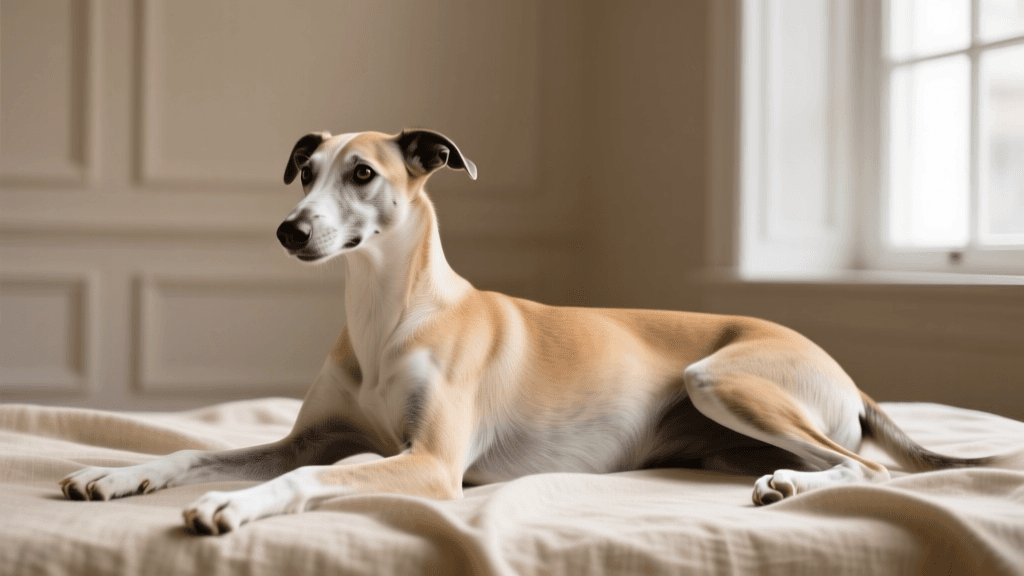
When considering getting a dog, few breeds offer as fascinating a paradox as the Greyhound. Known globally for their explosive speed on the racetrack, Greyhounds are famously dubbed "45-mph couch potatoes" by those who know them best. Despite their athletic pedigree, they are remarkably low-energy companions indoors, making them an excellent choice for apartment dwellers and busy professionals alike. However, getting a Greyhound requires a specific understanding of their unique physiology, sighthound instincts, and the nuances of adopting a retired athlete. This deep dive will equip you with the practical knowledge needed to welcome this gentle, sensitive breed into your home.
Breed Snapshot: Greyhound Quick Facts
Before bringing one home, it is essential to understand the physical and temperamental baselines of the breed. According to the American Kennel Club (AKC), Greyhounds are the fastest dog breed in the world, yet their daily exercise needs are surprisingly manageable.
| Attribute | Greyhound Details |
|---|---|
| Average Height | 27 to 30 inches at the shoulder |
| Average Weight | 60 to 70 pounds |
| Life Expectancy | 10 to 13 years |
| Coat Type | Short, smooth, single coat (low shedding) |
| Energy Level | Low indoors; requires short bursts of sprinting outdoors |
| Trainability | Moderate (highly sensitive, responds poorly to harsh corrections) |
| Prey Drive | Very High (sighthound instinct to chase small, fast-moving animals) |
Adopting a Retired Racer vs. Buying a Puppy
The vast majority of Greyhounds entering the pet market are retired racers, typically between two and five years of age. Organizations like Greyhound Pets of America (GPA) facilitate the transition of these dogs from the track to the living room. Adopting a retired racer is a profoundly rewarding experience, but it comes with a unique adjustment period.
Unlike puppies, retired racers have never lived in a house. They have never encountered stairs, glass doors, tile floors, or vacuum cleaners. They are accustomed to a strict kennel routine, eating on a schedule, and doing their business outside in a designated turnout pen. When you bring a retired racer home, you are essentially teaching a young adult dog how to be a pet. Expect a "decompression" period of three to six months where the dog may seem aloof, confused, or overly sleepy as their nervous system adjusts to a domestic environment.
If you prefer a puppy, be prepared for a stark contrast. Greyhound puppies are rare, expensive (often exceeding $2,500), and possess the typical destructive energy of a large-breed puppy, which contradicts the lazy stereotype of the adult breed.
Preparing Your Home for a Sighthound
Greyhounds have specific environmental needs due to their physical build. Their lack of body fat and single coat make them highly susceptible to temperature extremes, and their deep chests require specific feeding setups.
Essential Gear for Your Greyhound
- Martingale Collar: A Greyhound's neck is often wider than its head. Standard buckle collars can easily slip off if the dog pulls backward. A martingale collar tightens slightly to prevent escape without choking the dog.
- Orthopedic Bedding: Because they lack natural fat padding, Greyhounds are prone to painful pressure sores and calluses on their joints if forced to sleep on hard surfaces. Invest in a high-quality orthopedic memory foam bed or a raised cot-style bed like the Kuranda dog bed.
- Raised Food Bowls: To reduce the risk of bloat, feed your Greyhound from an elevated feeder that positions the bowl at their chest level.
- Fleece Winter Coat: If you live in a climate where temperatures drop below 50°F (10°C), a fitted dog winter coat is mandatory for outdoor bathroom breaks.
- Rubber Curry Brush: Their short coat requires minimal grooming. A simple rubber hound glove or curry brush used once a week is sufficient to remove dead hair and distribute skin oils.
Fencing and Outdoor Safety
Despite their jumping prowess on the track, Greyhounds are sprinters, not high-jumpers. A secure 4-foot to 5-foot fence is generally sufficient to contain them. However, because of their intense prey drive, never rely on an underground electric fence. A Greyhound chasing a squirrel will happily run through an invisible shock barrier and will not have the recall instinct to stop before entering a busy road. Always keep them on a leash in unfenced areas.
Unique Health and Veterinary Considerations
Greyhounds are generally robust and healthy, but their unique physiology requires a veterinarian who is familiar with sighthounds.
Anesthesia Sensitivity
Greyhounds metabolize anesthesia differently than other breeds due to their extremely low body fat percentages (often less than 16%, compared to the 25-36% found in other breeds of similar size). Standard anesthesia protocols can lead to prolonged recovery times or fatal complications. Ensure your vet uses sighthound-specific protocols, such as Propofol or Isoflurane, and avoids barbiturates like Thiopental.
Gastric Dilatation-Volvulus (Bloat)
As a deep-chested breed, Greyhounds are at a higher risk for Gastric Dilatation-Volvulus (GDV), commonly known as bloat. This is a life-threatening emergency where the stomach fills with gas and twists on itself. The ASPCA notes that bloat requires immediate surgical intervention. To mitigate risk, feed your Greyhound two to three smaller meals a day rather than one large meal, use a slow-feeder bowl, and strictly prohibit vigorous exercise for one hour before and after eating.
Dental Care
Retired racers are notorious for poor dental health due to the soft, high-carbohydrate diets fed at racing kennels. Budget for a professional veterinary dental cleaning under anesthesia within the first year of adoption, and commit to daily brushing with an enzymatic dog toothpaste.
The Financial Commitment: First-Year Cost Breakdown
Getting a Greyhound is a significant financial commitment. While adoption fees are relatively low, the initial setup and veterinary care for a retired racer can add up quickly. Below is an estimated cost breakdown for the first year of ownership.
| Expense Category | Estimated Cost (USD) |
|---|---|
| Adoption Fee | $300 - $500 |
| Initial Vet Exam & Vaccines | $250 - $400 |
| Professional Dental Cleaning | $500 - $900 |
| Spay/Neuter (if not included) | $300 - $600 |
| Orthopedic Bed & Winter Coat | $150 - $250 |
| Martingale Collar, Harness & Leash | $60 - $100 |
| High-Quality Food (Yearly) | $600 - $800 |
| Heartworm & Flea/Tick Prevention | $150 - $250 |
| Total Estimated First-Year Cost | $2,310 - $3,800 |
Note: Subsequent years will be significantly cheaper, typically ranging from $800 to $1,200 annually for food, preventatives, and routine wellness exams.
Training and Socialization
Training a Greyhound requires patience and positive reinforcement. They are highly sensitive dogs; harsh verbal corrections or physical discipline will cause them to shut down and lose trust in their handler. Use high-value treats (like freeze-dried liver or boiled chicken) to teach basic obedience.
Socialization, particularly regarding their prey drive, is critical. While many Greyhounds can learn to coexist peacefully with indoor cats (a process known as "cat-testing" facilitated by rescue groups), their instinct to chase outdoor wildlife is hardwired. Never allow a Greyhound off-leash in an unenclosed area, regardless of how strong their recall seems in the backyard. The sight of a darting rabbit will override years of training in a fraction of a second.
Final Thoughts on Getting a Greyhound
Getting a Greyhound is not just about acquiring a pet; it is about providing a soft landing for an animal that has spent its life in a highly structured, performance-driven environment. They are quiet, clean, and profoundly affectionate dogs that bond deeply with their families. By preparing your home with the right gear, partnering with a sighthound-savvy veterinarian, and understanding their unique transition period, you will be rewarded with one of the most loyal and gentle companions the canine world has to offer.
jonas-cole
All our authors care for dogs every day — read more of their work on the authors page.