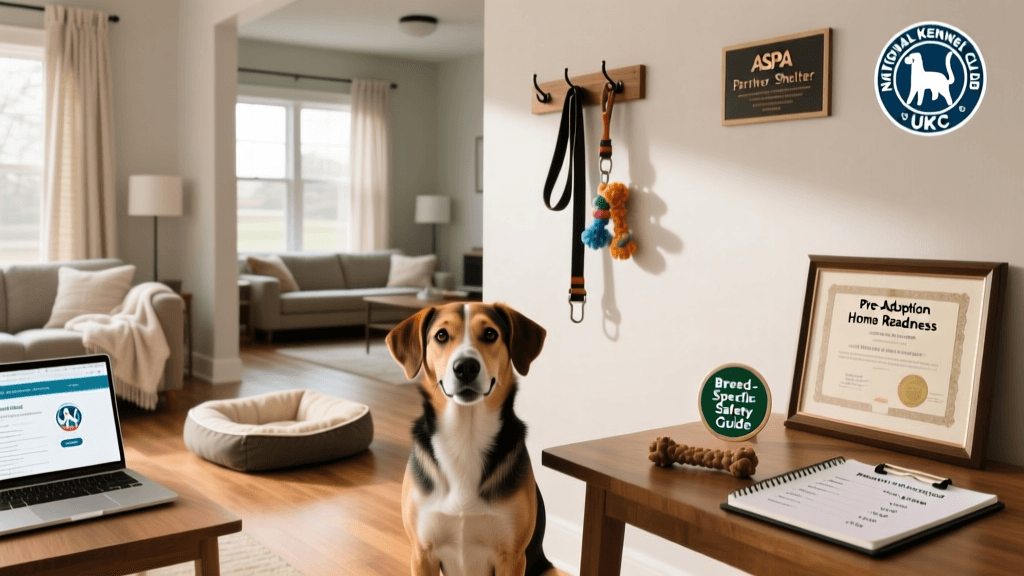
Shelter Adoption vs Breeders: 5 Common Myths Debunked
Discover the truth about getting a dog. We debunk 5 common myths about shelter adoption vs. buying from a breeder to help you make the right choice.

The Great Debate: Shelter Adoption vs. Responsible Breeders
Bringing a new dog into your life is a monumental decision that reshapes your daily routine, your finances, and your heart. For decades, the dog-owning community has been divided by a heated debate: should you adopt a rescue dog from a shelter, or purchase a puppy from a responsible breeder? Unfortunately, this debate is clouded by misinformation, emotional bias, and outdated stereotypes. Whether you are looking for a specific working breed or a loyal couch companion, understanding the reality of both avenues is critical for prospective owners.
In this comprehensive guide, we are cutting through the noise. We will debunk five of the most pervasive myths surrounding shelter adoption and responsible breeders, providing you with data-backed facts, cost comparisons, and actionable advice to help you make the best choice for your lifestyle.
Myth 1: Shelter Dogs Are All 'Broken' or Have Severe Behavioral Issues
The Myth: Many first-time buyers assume that dogs end up in shelters solely because they are aggressive, untrainable, or possess irreversible behavioral defects. This fear drives countless families straight to breeders under the assumption that a puppy is a 'blank slate.'
The Fact: The vast majority of shelter dogs are victims of human circumstance, not canine failure. According to the ASPCA's national pet statistics, the most common reasons pets are surrendered to shelters include housing restrictions (landlords not allowing pets), the owner's financial inability to care for the pet, lack of time, and divorce or death in the family. While some rescue dogs do require patience and behavioral rehabilitation, many are already house-trained, know basic commands, and are simply looking for a second chance. Shelters and foster-based rescues also conduct behavioral evaluations, meaning you often know a dog's temperament before bringing them home—something you cannot guarantee with an 8-week-old puppy.
Myth 2: You Cannot Find Purebred Dogs in Shelters
The Myth: If you have your heart set on a specific breed—like a Golden Retriever, Greyhound, or French Bulldog—you must use a breeder because shelters only house mixed-breed 'mutts.'
The Fact: Animal welfare organizations estimate that roughly 25% to 30% of dogs in shelters are purebreds. Furthermore, the rise of the internet has made it incredibly easy to find breed-specific rescue networks. If you are looking for a specific breed, organizations like the Greyhound Adoption League or regional breed-specific rescue groups pull purebred dogs from high-kill shelters and place them in foster homes. While you may not get to choose the exact coat color or a puppy under 12 weeks old, adopting a purebred from a rescue is a highly viable, ethical, and rewarding option.
Myth 3: Buying from a Breeder is Financially Comparable if You Factor in Vet Bills
The Myth: Some argue that the high upfront cost of a breeder puppy is offset by the 'hidden' medical and training costs of adopting an adult shelter dog with an unknown medical history.
The Fact: While responsible breeders perform extensive genetic health testing (such as OFA hip and elbow certifications), the initial acquisition cost is exponentially higher. Conversely, shelter adoption fees almost always include spaying/neutering, microchipping, and initial vaccinations, saving you hundreds of dollars in immediate veterinary care. Below is a realistic comparison of initial costs.
Cost Comparison: Adoption vs. Responsible Breeder
| Cost Factor | Shelter Adoption | Responsible Breeder |
|---|---|---|
| Acquisition Fee | $50 - $350 | $1,500 - $3,500+ |
| Spay/Neuter Surgery | Included in fee | $200 - $500 (if not done prior) |
| Initial Vaccines & Microchip | Included in fee | $150 - $300 |
| First-Year Preventative Care | $300 - $500 | $300 - $500 |
| Genetic Health Guarantees | None (Sold as-is) | Often 1-2 years for specific defects |
Note: Never confuse a 'responsible breeder' with a pet store or backyard breeder. The Humane Society of the United States strongly warns against purchasing puppies from pet stores or online brokers, as these are frequently sourced from puppy mills where genetic defects and parvovirus are rampant, leading to thousands of dollars in emergency vet bills.
Myth 4: Rescue Dogs Cannot Compete in Dog Sports or Advanced Training
The Myth: Only purpose-bred puppies from champion bloodlines have the drive, intelligence, and physical capability to excel in advanced obedience, agility, or working dog sports.
The Fact: Mixed-breed rescue dogs are incredibly intelligent and capable athletes. In fact, the American Kennel Club (AKC) opened its performance events to mixed breeds and rescue dogs through the AKC Canine Partners program. Today, rescue dogs routinely earn titles in Agility, Rally Obedience, Scent Work, and Tracking. Because adult rescue dogs have established personalities, you can actually select a dog whose natural energy level and prey drive already match the sport you wish to pursue, skipping the unpredictable developmental stages of puppyhood.
Myth 5: Shelters Hide a Dog's True Medical History
The Myth: Shelters adopt out sick dogs without disclosing their medical issues, leaving the adopter to foot the bill for chronic conditions.
The Fact: Reputable municipal shelters and private rescue organizations have strict veterinary protocols. Upon intake, dogs are examined by a veterinarian, tested for heartworm and tick-borne diseases, and treated for parasites. If a dog has a known chronic condition (like managed hypothyroidism or allergies), ethical rescues will disclose this upfront and often adjust the adoption fee accordingly. While a shelter cannot predict future illnesses, they provide a transparent snapshot of the dog's current health, which is often more information than you get from a backyard breeder.
Actionable Advice: Preparing for Your New Dog
Whether you decide to adopt a senior rescue or purchase a puppy from a health-tested breeder, preparation is the key to a successful transition. Here is your actionable checklist for the first 30 days.
1. Gather Your First-Day Essentials
Do not wait until the dog is home to buy supplies. Have the following ready:
- Leash and Harness: Purchase a 6-foot Biothane or nylon leash (avoid retractable leashes for initial training) and a front-clip no-pull harness.
- Enrichment Toys: A Kong Classic (stuffable rubber toy) is essential for mental stimulation and crate training.
- Cleaning Supplies: An enzymatic cleaner like Nature's Miracle is mandatory for breaking down urine proteins and preventing repeat accidents.
- Safe Space: A properly sized wire or plastic crate with a washable bed to serve as the dog's decompression zone.
2. Follow the 3-3-3 Rule of Decompression
When bringing home a shelter dog (or even a breeder puppy moving to a new environment), remember the 3-3-3 rule:
- 3 Days: The dog may feel overwhelmed, scared, and unsure. They might not eat or drink normally and will sleep heavily. Give them space.
- 3 Weeks: The dog starts to settle, learn your routine, and show their true personality. This is when minor behavioral quirks may surface.
- 3 Months: The dog finally feels secure, bonded, and fully integrated into your household's rhythm.
3. Plan a 10-Day Diet Transition
Sudden diet changes cause gastrointestinal distress. Find out exactly what food the shelter or breeder is currently feeding. Mix 75% of the old food with 25% of your new high-quality food (such as Purina Pro Plan or Royal Canin) for the first three days. Gradually shift the ratio every three days over a 10-day period until the dog is fully transitioned.
Making Your Final Decision
Choosing between a shelter and a breeder is not about one being universally 'better' than the other; it is about aligning your choice with your household's capacity, budget, and lifestyle. If you have the time, patience, and desire to guide an adult dog through a second chapter of life, shelter adoption offers immense emotional rewards and saves a life. If your lifestyle requires a highly predictable temperament for specialized work, or you have severe allergies requiring a specific low-shedding breed, a responsible preservation breeder is the correct path.
By discarding the myths and focusing on verifiable facts, you can confidently take the first step toward a lifelong, joyful partnership with your new best friend.
aaron-whyte
All our authors care for dogs every day — read more of their work on the authors page.