Best Apartment Dog Breeds: Size, Energy, and Noise Compared
Discover the best apartment dog breeds with our detailed comparison of size, energy levels, and noise. Find your perfect urban canine companion today.

The Reality of Urban Dog Ownership
According to the American Pet Products Association (APPA), over 65 million households in the United States own a dog, and a significant portion of these owners reside in apartments or condominiums. Urban living presents unique challenges for dog owners, including limited square footage, shared walls, and strict landlord policies. However, with the right breed selection and preparation, apartment living can be incredibly rewarding for both you and your canine companion.
When navigating the 'Getting a Dog' phase, many prospective owners mistakenly believe that only small dogs are suitable for apartments. In reality, a dog's energy level, temperament, and vocalization habits are far more critical than their physical size. This guide will break down the essential factors for selecting an apartment-friendly breed, provide a comprehensive comparison chart, and outline the hidden costs of urban dog ownership.
'The success of a dog in an apartment environment relies 20% on the size of the space and 80% on the owner's commitment to meeting the dog's physical and mental enrichment needs outside the home.'
Rethinking Size: The 'Big Dog' Apartment Myth
One of the most pervasive myths in dog ownership is that large breeds cannot thrive in small spaces. While it is true that a giant breed needs room to stretch, many large dogs are notoriously low-energy indoors. Take the Greyhound, for example. Often referred to as '45-mph couch potatoes,' Greyhounds are sprinters, not endurance runners. A single 30-minute walk and a short sprint in a secured dog park are usually enough to satisfy their exercise needs, after which they are perfectly content to sleep on a dog bed in the corner of your living room.
Conversely, some small breeds are highly active and require extensive mental and physical stimulation. A Jack Russell Terrier, despite weighing only 15 pounds, possesses boundless energy and a high prey drive that can lead to destructive behavior if confined to a small apartment without adequate outlets. Therefore, when consulting the American Kennel Club (AKC) guidelines on apartment living, focus heavily on the breed's exercise requirements and indoor energy level rather than just their adult weight.
The Energy and Vocalization Equation
In an apartment building, you share walls, floors, and ceilings with neighbors. A dog that barks at every passing sound can quickly lead to noise complaints and even eviction. Vocalization is a deeply ingrained trait in many breeds. Hounds, such as Beagles and Basset Hounds, are prone to baying, while many Terriers and Herding breeds are naturally vocal alert dogs.
If you work long hours or live in a building with thin walls, prioritize breeds known for their quiet demeanor. Breeds like the Cavalier King Charles Spaniel, Shih Tzu, and Japanese Chin are generally quiet and adaptable. Additionally, consider the dog's separation anxiety levels. Dogs that form hyper-attachments, such as the Vizsla or certain Spaniels, may howl or bark destructively when left alone in an apartment. Proper crate training and hiring a mid-day dog walker are essential interventions for these breeds.
Breed Comparison Chart: Top 5 Apartment Dogs
To help you make an informed decision, we have compiled a comparison of five highly recommended apartment breeds. This chart evaluates their average weight, indoor energy levels, vocalization tendencies, and specific spatial needs.
| Breed | Average Weight | Indoor Energy | Vocalization | Space Need |
|---|---|---|---|---|
| Greyhound | 60-70 lbs | Very Low | Low | Low (Needs outdoor sprint space) |
| Pug | 14-18 lbs | Low to Moderate | Moderate (Snores/Grumbles) | Very Low |
| Cavalier King Charles Spaniel | 13-18 lbs | Moderate | Low | Low |
| Shih Tzu | 9-16 lbs | Low | Low to Moderate | Very Low |
| Basset Hound | 40-65 lbs | Low | Moderate (Can bay/howl) | Low |
Budgeting for an Apartment Dog: Hidden Urban Costs
Urban dog ownership carries financial responsibilities that extend beyond food and veterinary care. When preparing your budget, you must account for housing-related pet fees and urban convenience services.
Pet Rent and Deposits
According to the Humane Society of the United States, many landlords and property management companies charge non-refundable pet fees, refundable pet deposits, or monthly pet rent. Expect to pay a one-time pet deposit ranging from $200 to $500, plus a monthly 'pet rent' of $25 to $75. Over a 12-month lease, this adds $500 to $1,400 to your annual housing budget.
Dog Walkers and Daycare
If you work in an office and your apartment lacks a private, fenced-in backyard, you will likely need to hire a mid-day dog walker. In major metropolitan areas, a 30-minute dog walk costs between $20 and $35. If required three times a week, this equates to roughly $300 to $420 per month. Alternatively, urban doggy daycares charge $35 to $60 per day, which is a significant ongoing expense.
Urban Veterinary Care and Pet Insurance
Veterinary care in dense urban centers is often 20% to 30% more expensive than in suburban or rural areas due to higher commercial real estate costs. Because of this, securing a comprehensive pet insurance policy is highly recommended. Monthly premiums for accident and illness coverage typically range from $35 to $60 for a young, healthy dog. This upfront cost can save you thousands of dollars in emergency urban vet visits.
Indoor Potty Solutions and Cleaning
Living on the 14th floor means potty breaks require an elevator ride. For puppies or senior dogs, indoor potty solutions like artificial grass patches (e.g., Fresh Patch or DoggieLawn) cost about $30 to $40 per month. Furthermore, investing in a high-quality HEPA air purifier ($150-$250) and enzymatic cleaners ($15-$20 per bottle) is crucial for managing odors in a confined space.
Apartment-Proofing: Measurements and Gear
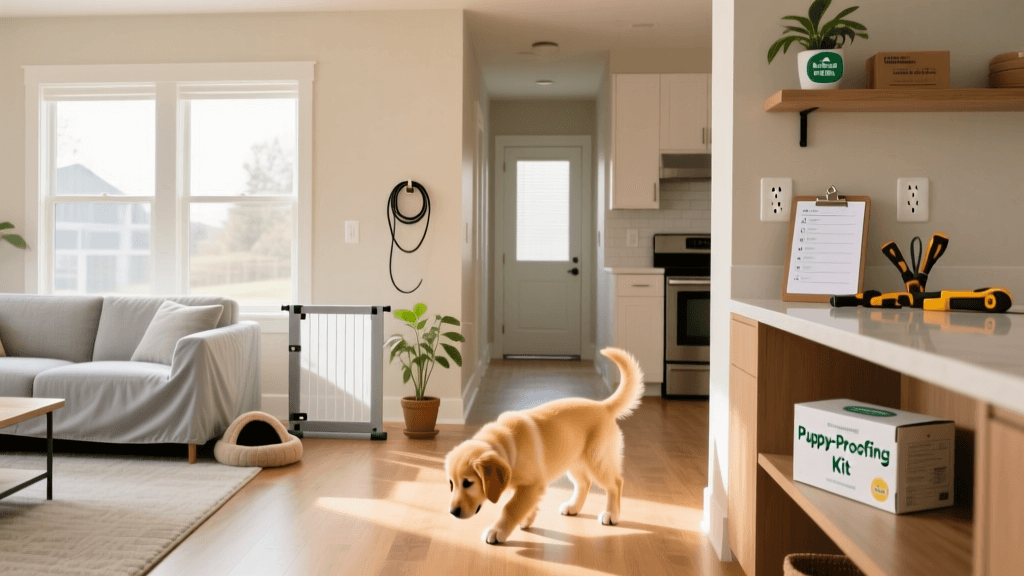
Preparing your apartment for a new dog requires strategic space management and safety-proofing. Here are the essential measurements and gear recommendations for urban setups:
- Crate Sizing: Your dog's crate should be exactly their body length plus 2 to 4 inches, and their height plus 2 inches. For a medium-sized apartment dog like a Cocker Spaniel, a 30-inch or 36-inch crate is typically ideal. Place it in a draft-free corner to create a den-like sanctuary.
- Baby Gates: To block off kitchens or hazardous areas, measure your doorways. Standard interior apartment doorways range from 28 to 32 inches wide. Purchase a pressure-mounted gate with a width range of 29-39 inches to ensure a snug fit without drilling into rental walls.
- Balcony Safety: If your apartment has a balcony, never leave a dog unattended. Small breeds can squeeze through wrought-iron railings. Use heavy-duty zip ties to secure privacy slats or mesh netting (measured to the exact length of your railing) to prevent falls or escapes.
- Sound Dampening: To minimize the sound of your dog's nails clicking on hardwood floors—which can annoy downstairs neighbors—use interlocking foam floor tiles or lay down thick, low-pile area rugs in high-traffic pathways.
- Mental Enrichment Gear: Since outdoor space is limited, indoor mental stimulation is vital. Invest in snuffle mats, puzzle toys (like the Kong Classic or Outward Hound Dog Brick), and lick mats. These tools can keep a dog occupied for 30 to 45 minutes, reducing anxiety and the likelihood of nuisance barking while you are working from home or away.
Final Thoughts on Urban Breed Selection
Choosing the right dog for apartment living is a delicate balance of matching a breed's inherent traits with your lifestyle, schedule, and budget. As noted by the American Veterinary Medical Association (AVMA), the financial and temporal commitments of pet ownership are substantial, and urban environments only amplify the need for careful planning. By prioritizing low-vocalization, adaptable energy levels, and preparing your space with the right gear, you can create a harmonious and loving home for your new dog, regardless of your square footage.
anouk-beaumont
All our authors care for dogs every day — read more of their work on the authors page.