Top Smart Treat Cameras for Dog Separation Anxiety 2026
Discover the best smart treat cameras for dog separation anxiety in 2026. Compare Furbo and Petcube features, pricing, and training tips for alone time.
The Rise of Canine Separation Anxiety in 2026
Leaving your dog home alone can be a source of immense stress for both pet parents and their canine companions. As we navigate the evolving landscape of pet ownership in 2026, separation anxiety remains one of the most frequently diagnosed behavioral issues in veterinary clinics worldwide. The transition to hybrid work models and the increasing amount of time dogs spend in solitary environments have necessitated more robust, technology-assisted solutions for managing canine distress. Fortunately, the intersection of veterinary behavioral science and smart home technology has yielded incredible tools to help our dogs thrive when left to their own devices.
According to the ASPCA, separation anxiety is triggered when a dog becomes intensely upset because of separation from their guardians. Symptoms can range from mild pacing and whining to severe destructive behavior, inappropriate elimination, and self-mutilation. While technology alone cannot cure a psychological condition, interactive smart treat cameras have become an indispensable component of modern desensitization protocols.
Understanding the Role of Smart Cameras in Behavioral Training
In 2026, smart pet cameras are no longer just passive surveillance tools; they are active training aids equipped with artificial intelligence, two-way audio, and automated treat-tossing mechanisms. These devices allow pet parents to monitor their dog's stress signals in real-time, interrupt anxiety loops before they escalate, and deliver positive reinforcement remotely. However, the American Kennel Club emphasizes that technology should supplement, not replace, foundational behavioral training. A treat camera is most effective when used as part of a structured systematic desensitization and counterconditioning program.
2026 Smart Treat Camera Comparison Chart
When selecting a device to help manage your dog's alone time, it is crucial to consider treat capacity, field of view, AI detection capabilities, and subscription costs. Below is a comprehensive comparison of the top three market leaders this year.
| Feature | Furbo 360 Dog Camera | Petcube Bites 2 Lite | Eufy Pet Dog Camera D605 |
|---|---|---|---|
| 2026 Retail Price | $219.00 | $149.99 | $129.99 |
| Treat Capacity | 1 Cup (approx. 100 treats) | 0.5 Cup (approx. 50 treats) | 0.75 Cup (approx. 70 treats) |
| Field of View | 360° Rotating Pan & Tilt | 165° Wide Angle | 170° Wide Angle + 360° Pan |
| AI Features | Dog Activity, Barking, & Vomiting Alerts | Sound & Motion Detection | Bark Detection & Pet Tracking |
| Monthly Cloud Fee | $6.99 (Optional) | $5.99 (Optional) | $0 (Local Storage Included) |
In-Depth Device Analysis for Anxiety Management
Furbo 360 Dog Camera: The Premium Behavioral Tool
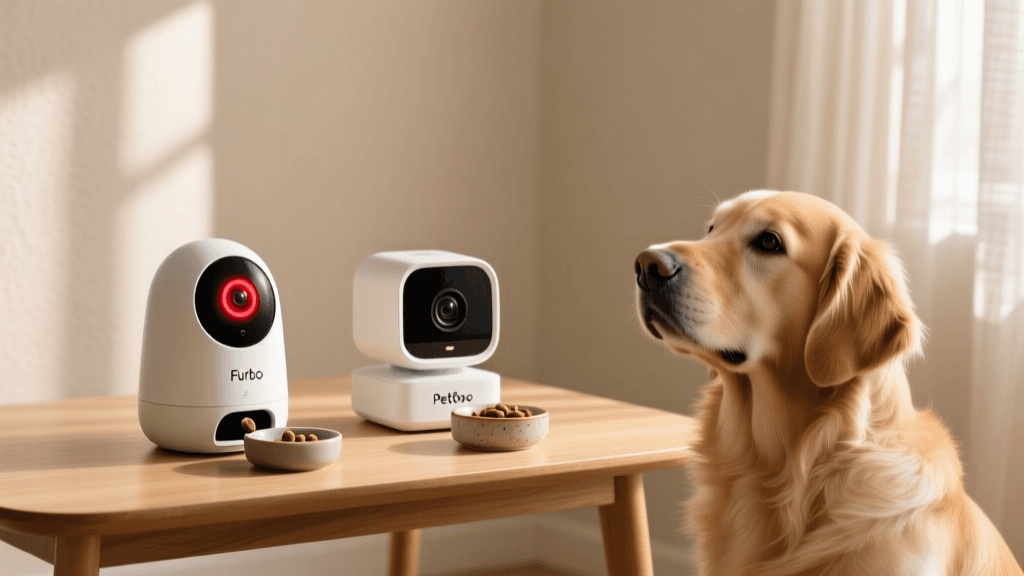
The Furbo 360 remains the gold standard for veterinary behaviorists in 2026 due to its advanced AI alert system. For dogs that exhibit stress-induced vomiting or intense pacing, the specific AI alerts allow owners to intervene via two-way audio or a treat toss before the dog reaches a state of panic. The 360-degree rotating base ensures that no matter where your dog retreats in the room, you can maintain eye contact and engagement, which is critical for building remote confidence.
Eufy Pet Dog Camera D605: The Budget-Friendly Workhorse
For pet parents managing multiple dogs or those on a stricter budget, the Eufy D605 offers phenomenal value. Its standout feature for anxiety management is the lack of a mandatory monthly subscription fee, utilizing local encrypted storage instead. The dual-band Wi-Fi connectivity ensures that treat tossing remains reliable even if your home network experiences minor fluctuations, preventing the frustrating delays that can inadvertently confuse a dog during a training session.
A Step-by-Step Desensitization Protocol Using Smart Cameras
To effectively use these devices for separation anxiety, Fear Free Pets recommends a gradual, phased approach to alone time. Do not simply leave the house and start tossing treats; this can create frustration and worsen anxiety if the dog is already over their stress threshold.
Phase 1: Counterconditioning Departure Cues
Dogs with separation anxiety often begin panicking before you even leave the house. They recognize 'departure cues' such as picking up your keys, putting on your shoes, or grabbing your coat.
- Step 1: Set up your camera in the room where your dog will be resting.
- Step 2: Perform a departure cue (e.g., pick up your keys) but do not leave. Instead, use the camera to toss a high-value treat.
- Step 3: Repeat this 10-15 times a day until the dog associates the sound of keys with a positive reward rather than impending isolation.
Phase 2: Micro-Departures and Remote Engagement
Once your dog is relaxed with departure cues, begin practicing micro-departures.
- Step 1: Step outside your front door and close it.
- Step 2: Immediately open the camera app and observe your dog's body language. Are they panting? Pacing? Or are they looking expectantly at the camera?
- Step 3: If they are calm, use the treat toss feature. Speak through the two-way audio in a calm, soothing tone, then re-enter the house.
- Step 4: Gradually increase the time spent outside from 5 seconds to 1 minute, then 5 minutes, always rewarding calm behavior via the camera.
Phase 3: Sustained Alone Time and Enrichment
When your dog can comfortably handle 30 minutes of alone time, you can begin utilizing the camera's automated features. Many 2026 camera models allow you to schedule randomized treat tosses. This creates a 'slot machine' effect, keeping the dog's brain engaged in foraging and anticipation rather than fixating on your absence. Pair this with a frozen enrichment toy (like a Kong stuffed with low-sodium bone broth and peanut butter) to maximize the duration of their independent play.
Complementary Holistic Wellness Approaches
While smart cameras provide a bridge of communication, managing separation anxiety holistically requires addressing the dog's neurochemistry and environment. In 2026, integrative veterinarians frequently recommend combining tech-assisted training with the following supportive therapies:
- Synthetic Pheromones: Plug-in diffusers like Adaptil Optimum release synthetic dog-appeasing pheromones that mimic the comforting signals of a nursing mother. Place the diffuser in the dog's primary 'safe zone' near the camera.
- Nutraceuticals: Supplements containing L-theanine, L-tryptophan, and hydrolyzed milk proteins (such as Zylkene) can help lower baseline cortisol levels. Always consult your veterinarian before introducing new supplements, especially if your dog is on prescription medications.
- Acoustic Therapy: Use the camera's two-way audio or a smart speaker to play bioacoustic music specifically designed for canine nervous systems. Classical music or specialized playlists like 'Through a Dog's Ear' have been clinically shown to reduce heart rates in anxious dogs.
- Pre-Departure Exercise: A physically and mentally exhausted dog is less prone to anxiety. Engage in a 30-minute 'sniffari' (a decompression walk where the dog dictates the pace and sniffs freely) before you leave for work. Mental fatigue from sniffing is often more effective at inducing relaxation than rigorous physical exercise.
When to Consult a Veterinary Behaviorist
It is vital to recognize the limits of at-home training and consumer technology. If your dog is injuring themselves trying to escape crates or windows, if they are refusing to eat high-value treats when left alone (a sign they are over their stress threshold), or if their anxiety is causing severe distress to your household, it is time to seek professional help. A board-certified veterinary behaviorist (DACVB) can diagnose underlying medical contributors to anxiety and may prescribe short-term or long-term psychotropic medications, such as fluoxetine or clomipramine, to give your dog the chemical support they need to successfully engage in the desensitization protocols outlined above.
Final Thoughts on Tech-Assisted Alone Time
Managing canine separation anxiety in 2026 is a multifaceted endeavor that requires patience, empathy, and the right tools. Smart treat cameras like the Furbo 360 and Eufy D605 are incredible assets that bridge the physical gap between you and your pet, allowing for real-time intervention and positive reinforcement. By pairing these devices with a structured desensitization protocol and holistic environmental enrichment, you can transform your dog's alone time from a period of panic into a peaceful, rewarding experience. Remember that progress may be non-linear, and celebrating the small victories is key to a lifetime of wellness for your canine companion.
jonas-cole
All our authors care for dogs every day — read more of their work on the authors page.