Diagnosing Dog Osteoarthritis: Joint Pain Solutions
Learn how to diagnose dog osteoarthritis and manage joint pain. Discover actionable solutions, supplements, and therapies to restore your dog's mobility.
Understanding Canine Osteoarthritis: A Progressive Challenge
Canine osteoarthritis (OA), also known as degenerative joint disease, is a progressive, irreversible condition characterized by the deterioration of joint cartilage, the formation of new bone around joint margins, and chronic inflammation. According to the American College of Veterinary Surgeons, osteoarthritis is the most common joint disease diagnosed in dogs, affecting approximately one in five adult dogs and up to 80% of senior large-breed dogs. Unlike humans, who frequently vocalize their pain, dogs are evolutionarily hardwired to mask discomfort. This makes the early diagnosis and proactive management of joint pain a critical responsibility for dog owners.
The problem with OA is that the cartilage damage is permanent; however, the solution lies in a multimodal approach that targets inflammation, supports joint mechanics, and improves the dog's overall quality of life. By shifting from a reactive mindset to a proactive diagnostic and management strategy, owners can significantly slow the progression of the disease and keep their canine companions active and comfortable.
Recognizing the Subtle Signs of Joint Disease
Before a definitive veterinary diagnosis can be made, owners must identify the subtle behavioral shifts that indicate joint pain. Dogs rarely limp dramatically in the early stages of OA. Instead, look for these micro-behaviors:
- Activity Reluctance: Hesitation before jumping into the car, onto the couch, or navigating stairs.
- Gait Alterations: A "bunny-hopping" gait in the hind legs, stiffness after resting (which improves with mild movement), or a shortened stride.
- Behavioral Changes: Increased irritability when touched around the hips or spine, excessive licking or chewing at specific joints (often the carpal or stifle joints), and withdrawal from family activities.
- Muscle Atrophy: A noticeable thinning of the thigh muscles (quadriceps) in the affected hind limbs due to decreased weight-bearing.
How Veterinarians Diagnose Canine Osteoarthritis
If you suspect your dog is suffering from joint pain, a comprehensive veterinary evaluation is essential. The Washington State University College of Veterinary Medicine emphasizes that diagnosing OA requires ruling out other potential causes of lameness, such as tick-borne diseases (like Lyme disease), neurological deficits, or soft tissue injuries.
The diagnostic process typically involves three main steps:
- Orthopedic Examination: The veterinarian will manipulate each joint through its full range of motion, checking for crepitus (a grinding sensation), joint effusion (swelling), and pain responses.
- Radiography (X-Rays): X-rays are the gold standard for visualizing bone changes. Vets look for osteophytes (bone spurs), subchondral bone sclerosis (thickening of the bone just below the cartilage), and narrowed joint spaces.
- Advanced Imaging (if necessary): In complex cases, particularly involving the spine or hips, a CT scan or MRI may be recommended to assess soft tissue and nerve involvement.
Comprehensive Solutions for Managing Dog Osteoarthritis
Once a diagnosis is confirmed, the solution requires a multimodal management plan. Relying on a single treatment is rarely effective. Below are the most actionable, evidence-based solutions available today.
1. Weight Optimization and Body Condition Scoring
Excess body weight is the single most modifiable risk factor for OA progression. Every extra pound places exponential stress on compromised joints. The goal is to maintain a Body Condition Score (BCS) of 4 or 5 on a 9-point scale. This means the ribs should be easily palpable without excess fat covering, and the dog should have a visible abdominal tuck.
Actionable Advice: Transition your dog to a therapeutic weight management diet, such as Hill's Prescription Diet Metabolic or Royal Canin Satiety Support. Ditch the measuring cup and use a digital kitchen gram scale to weigh out daily food rations. If your dog is overweight, work with your vet to calculate a caloric deficit, typically reducing daily intake by 10% to 20% until the ideal weight is reached.
2. Targeted Nutraceuticals and Joint Supplements
Over-the-counter joint supplements can provide foundational support for cartilage health and mild inflammation. The Cornell University Riney Canine Health Center notes that while supplements do not cure OA, they can improve mobility and reduce the reliance on pharmaceuticals.
Actionable Advice: Look for supplements containing a combination of Glucosamine Hydrochloride, Chondroitin Sulfate, and Avocado/Soybean Unsaponifiables (ASU). Dasuquin Advanced and Nutramax Cosequin DS are highly recommended veterinary brands. Additionally, incorporate Omega-3 fatty acids (specifically EPA and DHA) derived from wild-caught fish oil or green-lipped mussel extract. The therapeutic dosage for joint inflammation is high: approximately 75 to 100 mg of combined EPA/DHA per kilogram of body weight daily.
3. Prescription Medications and Biologics
When supplements and weight management are insufficient, prescription medications become necessary to break the pain-inflammation cycle.
- NSAIDs (Non-Steroidal Anti-Inflammatory Drugs): Medications like Carprofen (Rimadyl) and Meloxicam (Metacam) are the first line of defense. They block COX enzymes to reduce inflammation. Cost: $40 to $80 per month. Requirement: Bi-annual bloodwork to monitor liver and kidney function.
- EP4 Receptor Antagonists: Grapiprant (Galliprant) targets the specific prostaglandin receptor responsible for OA pain and inflammation, sparing the gastrointestinal and renal systems from traditional NSAID side effects. Cost: $90 to $130 per month.
- Anti-NGF Monoclonal Antibodies: Bedinvetmab (Librela) is a revolutionary monthly injectable biologic that neutralizes Nerve Growth Factor (NGF), a key driver of OA pain. It is metabolized like natural proteins, making it exceptionally safe for dogs with compromised liver or kidney function. Cost: $150 to $250 per monthly injection, depending on the dog's weight.
4. Environmental and Physical Modifications
Modifying your home environment reduces the daily mechanical stress on your dog's joints.
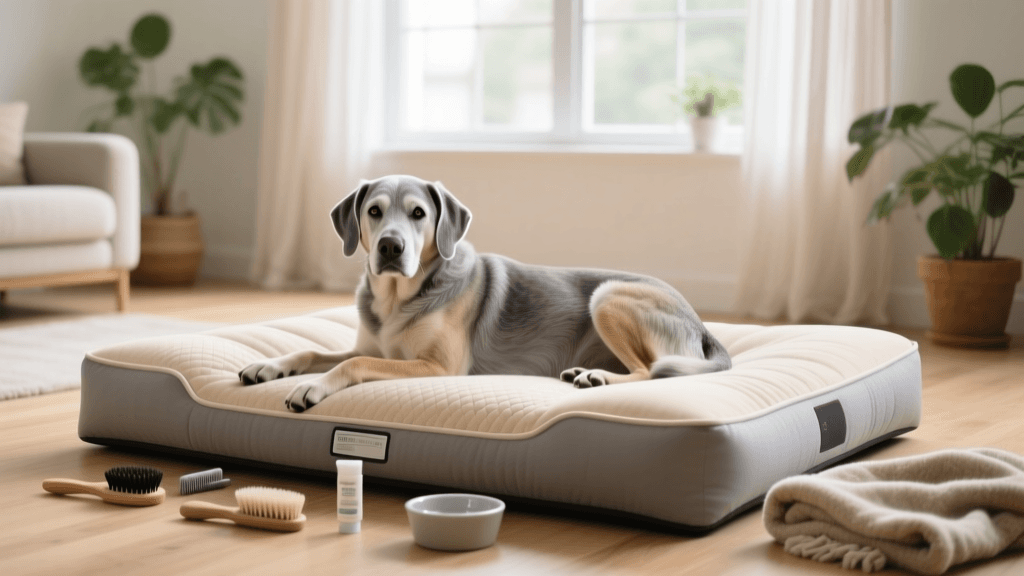
- Bedding: Invest in a high-density orthopedic bed, such as the Big Barker Orthopedic Dog Bed ($200–$300), which is clinically proven to prevent joint pressure points and improve sleep quality.
- Mobility Aids: Use a folding ramp like the PetSTEP Original Folding Pet Ramp ($150) to help your dog enter and exit vehicles without jumping. Place interlocking foam mats or non-slip area rugs over hardwood and tile floors to prevent splaying and hip strain.
- Physical Rehabilitation: Canine hydrotherapy (underwater treadmill sessions) provides cardiovascular exercise and muscle building without joint impact. Expect to pay $75 to $150 per session. Class IV Cold Laser Therapy ($50–$80 per session) can also be used to stimulate cellular repair and reduce localized inflammation.
Comparison Chart: Canine Osteoarthritis Treatments
| Treatment Option | Category | Estimated Monthly Cost | Best Used For |
|---|---|---|---|
| Weight Management Diet | Lifestyle / Nutrition | $60 - $100 | All overweight dogs with OA |
| Omega-3 Fish Oil (EPA/DHA) | Nutraceutical | $20 - $40 | Mild inflammation & coat health |
| Carprofen (Rimadyl) | Prescription NSAID | $40 - $80 | Acute flare-ups & daily pain |
| Galliprant (Grapiprant) | Prescription Non-NSAID | $90 - $130 | Dogs with sensitive stomachs |
| Librela (Bedinvetmab) | Biologic Injection | $150 - $250 | Senior dogs & organ-compromised dogs |
| Hydrotherapy (Underwater Treadmill) | Physical Rehabilitation | $300 - $600 (based on 4x/mo) | Muscle atrophy & post-surgery |
Long-Term Monitoring and Quality of Life
Managing canine osteoarthritis is a lifelong commitment. As the disease progresses, your dog's treatment plan will need to evolve. Schedule veterinary wellness exams every six months to reassess joint mobility, adjust medication dosages based on weight fluctuations, and run necessary blood panels to ensure internal organs are tolerating long-term pharmaceutical use.
By combining early diagnostic awareness with a rigorous, multimodal treatment strategy—spanning weight control, targeted supplements, advanced biologics, and home modifications—you can effectively dismantle the pain cycle of osteoarthritis. Your proactive approach will ensure your dog's golden years are defined by comfort, mobility, and an enduring zest for life.
priya-sutaria
All our authors care for dogs every day — read more of their work on the authors page.