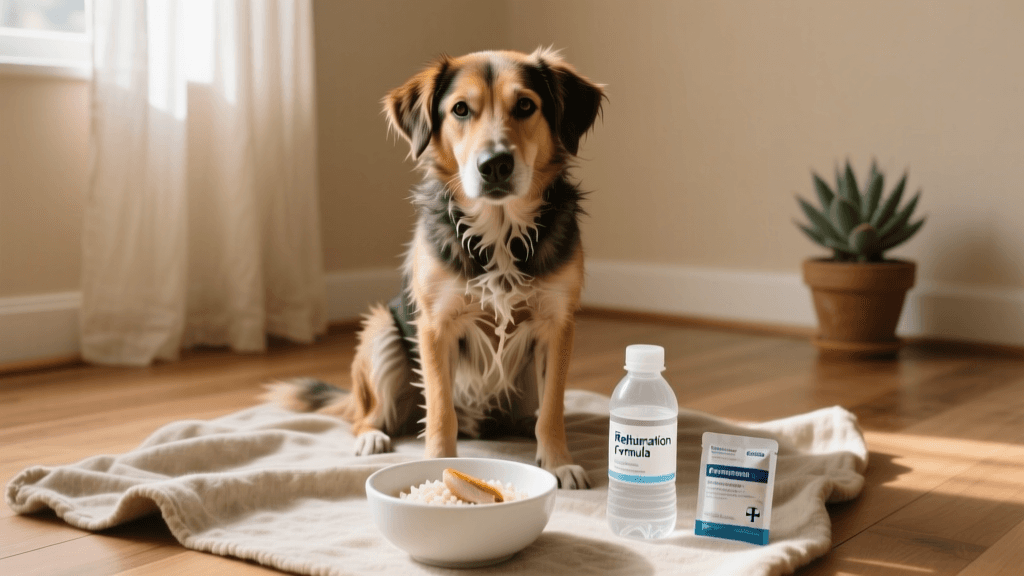
The Beginner's Guide to Puppy Vaccines and Parasite Care
Discover the ultimate beginner's handbook for puppy vaccines and parasite prevention. Learn schedules, costs, and top vet-approved products.

Welcome to Puppy Parenthood: Why Preventive Care Matters
Bringing a new puppy home is one of life’s greatest joys, but it also comes with a steep learning curve. As a first-time dog owner, navigating the world of veterinary care, vaccinations, and parasite prevention can feel overwhelming. This complete beginner's handbook is designed to demystify your puppy's first-year health requirements. Preventive care is not just about keeping your puppy healthy; it is about establishing a lifelong foundation of wellness that prevents costly and painful diseases down the road.
In this guide, we will break down exactly what your puppy needs, when they need it, and how much you should expect to spend. By the end of this handbook, you will be fully equipped to partner with your veterinarian to keep your new best friend thriving.
The Core Puppy Vaccination Schedule
Vaccines are your puppy's first line of defense against highly contagious and potentially fatal diseases. According to the American Veterinary Medical Association (AVMA), vaccines are categorized into 'core' and 'non-core.' Core vaccines are universally recommended for all puppies, regardless of their lifestyle or geographic location.
The core vaccines protect against:
- Canine Distemper: A severe viral disease affecting the respiratory, gastrointestinal, and nervous systems.
- Canine Adenovirus-2 (Hepatitis): A virus that causes liver, kidney, and eye damage.
- Canine Parvovirus: A highly contagious virus that causes severe vomiting, bloody diarrhea, and dehydration.
- Rabies: A fatal viral disease that affects the central nervous system and is transmissible to humans.
Puppies receive maternal antibodies from their mother's milk, which gradually wane. To ensure continuous protection, veterinarians administer a series of DHPP (Distemper, Hepatitis, Parainfluenza, Parvovirus) boosters every 3 to 4 weeks until the puppy is at least 16 weeks old.
Standard Core Vaccination Timeline
| Puppy Age | Vaccine Administered | Important Notes |
|---|---|---|
| 6-8 Weeks | DHPP (1st Dose) | Often given by the breeder or rescue. Start socialization in safe environments. |
| 10-12 Weeks | DHPP (2nd Dose) | Immunity is building. Avoid high-dog-traffic areas like dog parks. |
| 14-16 Weeks | DHPP (3rd Dose) & Rabies | Rabies is required by law in most regions. Maternal antibodies are fully waned. |
| 12-16 Months | DHPP & Rabies Boosters | Crucial for long-term immunity. Subsequent boosters are typically every 1-3 years. |
Non-Core Vaccines: Do You Need Them?
Non-core vaccines are recommended based on your puppy's specific lifestyle, environment, and exposure risk. Your veterinarian will help you decide which of these are necessary:
- Bordetella (Kennel Cough): Essential if your puppy will attend doggy daycare, boarding facilities, or group training classes. It is usually administered via intranasal drops or an oral liquid, providing rapid immunity.
- Leptospirosis: A bacterial infection spread through the urine of wildlife (like raccoons and rodents). Recommended for dogs that hike, swim in lakes, or live in areas with high wildlife populations.
- Lyme Disease: Recommended for dogs living in or traveling to heavily wooded, tick-endemic regions (such as the Northeast and Upper Midwest of the US).
- Canine Influenza (Dog Flu): Suggested for highly social dogs in urban environments or those frequently exposed to other dogs in shelters or shows.
Parasite Prevention: Fleas, Ticks, and Heartworm
External and internal parasites are more than just a nuisance; they are vectors for severe diseases. Year-round prevention is the gold standard in modern veterinary medicine.
Heartworm Disease
Heartworms are foot-long worms that live in the heart, lungs, and associated blood vessels of affected pets, causing severe lung disease, heart failure, and damage to other organs. The American Heartworm Society strongly advocates for 'Think 12'—giving heartworm prevention every 12 months and testing every 12 months.
Preventatives contain micro-doses of macrocyclic lactones (like ivermectin or milbemycin) that eliminate heartworm larvae before they mature. Popular vet-prescribed oral options include Heartgard Plus (ivermectin/pyrantel) and Interceptor Plus (milbemycin oxime/praziquantel).
Flea and Tick Control
Fleas cause severe allergic dermatitis and transmit tapeworms, while ticks carry Lyme disease, Ehrlichiosis, and Anaplasmosis. When choosing a product, you will generally encounter three categories:
- Oral Chews (e.g., NexGard, Bravecto, Simparica): These are highly effective, fast-acting, and cannot be washed off. Bravecto offers up to 12 weeks of protection per chew, while others are monthly. They require a prescription.
- Topical Spot-Ons (e.g., Frontline Plus, Revolution): Applied to the skin on the back of the neck. They are effective but can lose efficacy if the dog is bathed frequently with harsh shampoos.
- Collars (e.g., Seresto): Provide 8 months of continuous protection. Ensure you purchase from reputable veterinary sources to avoid counterfeit products.
Beginner Warning: Never use dog-specific flea and tick products on cats, and never use over-the-counter grocery store brands containing pyrethrins if you have a multi-pet household, as these can be highly toxic to felines and sometimes ineffective against resistant flea populations.
Deworming: Clearing Internal Parasites
Almost all puppies are born with intestinal parasites, such as roundworms, or acquire them through their mother's milk. The Companion Animal Parasite Council (CAPC) recommends a strict deworming protocol starting at 2 weeks of age, repeating every 2 weeks until the puppy is 8 weeks old, and then transitioning to a monthly broad-spectrum preventative.
Common deworming medications include:
- Pyrantel Pamoate: An over-the-counter and prescription liquid that effectively targets roundworms and hookworms. Dosing is strictly weight-based (typically 1 mL per 10 lbs of body weight, but always follow your vet's exact calculation).
- Praziquantel: Specifically targets tapeworms, which puppies often contract if they ingest an infected flea during grooming.
- Fenbendazole (Panacur): A broad-spectrum powder or liquid used to treat Giardia, whipworms, and roundworms.
Always submit a fresh stool sample to your vet at every puppy visit. Fecal flotation tests cost around $30-$50 and are the only way to definitively diagnose microscopic parasites like Giardia or Coccidia, which require specific antibiotics or antiprotozoal medications.
Estimated Costs for the First Year
Budgeting for your puppy's preventive care helps avoid financial surprises. Below is an estimated breakdown of first-year veterinary preventive costs in the United States. Note that prices vary by region and clinic.
| Service / Product | Frequency | Estimated Cost (USD) |
|---|---|---|
| Initial Vet Exam & Fecal Test | 1-2 times | $75 - $120 |
| Core Vaccine Series (DHPP & Rabies) | 3-4 visits | $100 - $150 (Total) |
| Non-Core Vaccines (Bordetella, Lyme) | 1-2 visits | $30 - $60 (Total) |
| Monthly Heartworm/Flea/Tick Combo | 12 months | $180 - $250 (Annual) |
| Spay/Neuter Surgery | Once (at 6-9 mos) | $250 - $600 |
Pro Tip: Many veterinary clinics offer 'Puppy Wellness Packages' that bundle exams, vaccines, and tests for a single discounted upfront fee, often ranging from $300 to $500 for the entire first-year series.
Frequently Asked Questions
Can my puppy go outside before finishing their vaccines?
Yes, but with strict limitations. Socialization is critical between 8 and 16 weeks. You can carry your puppy in public, use a stroller, or let them walk in private, fenced yards where unvaccinated dogs do not have access. Avoid dog parks, pet stores, and public sidewalks where unknown dogs have eliminated.
What if I miss a vaccine booster window?
If you are more than two weeks late for a puppy booster, your veterinarian may need to restart the series or administer an extra dose to ensure the immune system properly responds. Always set calendar reminders for your puppy's vet appointments.
Are there adverse reactions to vaccines?
Mild lethargy, soreness at the injection site, and a slight fever are normal for 24 hours. However, if your puppy experiences facial swelling, hives, vomiting, or difficulty breathing, this is a medical emergency (anaphylaxis) requiring immediate veterinary intervention.
By following this beginner's handbook, you are taking the most important steps toward ensuring your puppy lives a long, vibrant, and disease-free life. Always maintain an open dialogue with your veterinarian, as they are your greatest ally in your dog's healthcare journey.
hannah-wickes
All our authors care for dogs every day — read more of their work on the authors page.