Furbo 360 vs Petcube Bites 2: Best 2026 Anxiety Cameras
Compare the Furbo 360 and Petcube Bites 2 for managing dog separation anxiety in 2026. Find the best smart camera and treat dispenser for your pup.
The Evolution of Pet Monitoring in 2026
As we navigate 2026, the landscape of pet care technology has shifted dramatically from simple live-streaming webcams to sophisticated, AI-driven behavioral monitoring systems. For dog owners managing canine separation anxiety, this technological leap is nothing short of revolutionary. Leaving your dog alone used to mean hours of worrying, only to come home to destroyed furniture or distressed neighbors. Today, smart pet cameras do much more than let you watch your dog sleep; they actively intervene, soothe, and help you execute structured desensitization training protocols.
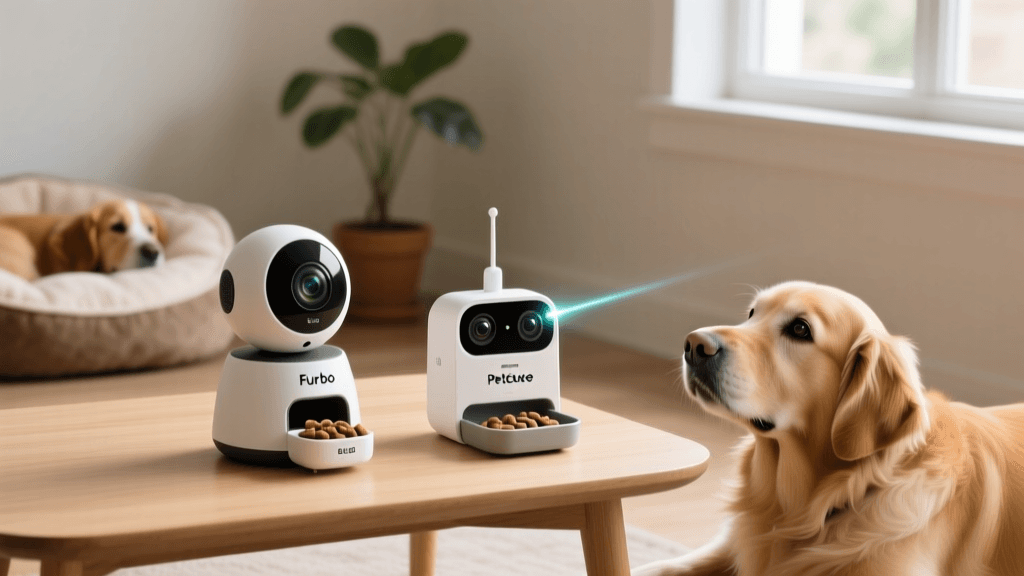
Separation anxiety remains one of the most prevalent behavioral challenges in modern dog ownership. With hybrid work schedules becoming the permanent norm, dogs are experiencing fluctuating routines that can trigger immense stress. To help you manage your dog's alone time, we are putting two of the most popular interactive pet cameras head-to-head: the Furbo 360 Dog Camera and the Petcube Bites 2. Both offer treat-tossing capabilities and two-way audio, but their 2026 AI features and hardware designs cater to slightly different training needs.
Understanding Canine Separation Anxiety
Before investing in hardware, it is crucial to understand what your dog is experiencing. Separation anxiety is not merely a dog acting out of boredom; it is a profound panic response triggered by the absence of their primary attachment figure. According to the ASPCA, dogs with separation anxiety exhibit extreme stress behaviors, including excessive vocalization, destructive chewing, inappropriate elimination, and attempts to escape confinement.
Monitoring your dog via a smart camera allows you to identify the exact moment their stress escalates. Does the panic begin the second you close the door, or does it start twenty minutes later when they realize you aren't coming right back? Identifying these triggers is the first step in creating a customized behavioral modification plan. Interactive cameras allow you to interrupt the anxiety loop before it reaches a crescendo, using your voice or a high-value treat to redirect their focus.
Furbo 360 Dog Camera: The AI-Powered Nanny
The Furbo 360 has long been a staple in the pet tech industry, and its 2026 iteration continues to dominate the market for anxiety-specific monitoring. The standout feature is its motorized base, which rotates a full 360 degrees, allowing you to follow your dog around the room via the app's joystick controls. If your dog paces nervously when left alone, the Furbo 360 ensures they never leave your field of vision.
Where the Furbo truly shines for separation anxiety is its advanced AI Dog Nanny subscription service. In 2026, the AI has been refined to distinguish between different types of vocalizations. It can send you a specific push notification if your dog is whimpering versus aggressively barking, allowing you to gauge their exact stress level from your office desk. Furthermore, the auto-toss feature can be programmed to dispense treats at randomized intervals, keeping your dog engaged and creating a positive association with your absence.
- 2026 Retail Price: $219.99
- Treat Capacity: Holds up to 1 cup of treats (up to 0.4 inches in diameter)
- Video Quality: 1080p Full HD with 4x zoom and night vision
- Field of View: 360-degree rotating pan with 118-degree vertical tilt
- AI Alerts: Barking, crying, vomiting, and person detection (requires Furbo Dog Nanny subscription)
Petcube Bites 2: The Interactive Treat Tosser
The Petcube Bites 2 takes a slightly different approach, focusing heavily on the mechanics of treat dispensing and audio clarity. While it lacks the 360-degree rotating base of the Furbo, its fixed 160-degree wide-angle lens is more than sufficient for monitoring a designated "safe zone" or crate area. For dogs whose separation anxiety is managed best through strict confinement training in a specific corner of the room, the Petcube's static, wide view is highly effective.
The Bites 2 features a unique internal treat mechanism that allows for more precise control over treat sizes, accommodating slightly larger or irregularly shaped training treats that might jam other dispensers. The built-in Alexa compatibility is a massive bonus for 2026 smart homes; you can use voice routines to trigger a treat toss or play calming music through the camera's speaker when your smart lock detects you leaving the house. This seamless integration helps automate the desensitization process.
- 2026 Retail Price: $199.99
- Treat Capacity: Holds up to 1.5 cups of treats (accommodates varied shapes)
- Video Quality: 1080p Full HD with 8x digital zoom and night vision
- Field of View: Fixed 160-degree wide-angle diagonal
- Smart Features: Built-in Alexa, laser pointer integration (via app), and sound/motion alerts
Head-to-Head Comparison Chart
Choosing between the two depends heavily on your dog's specific anxiety behaviors and your home environment. Below is a structured comparison to help you decide which camera aligns with your 2026 training goals.
| Feature | Furbo 360 Dog Camera | Petcube Bites 2 |
|---|---|---|
| Best For | Pacing dogs & detailed AI behavioral alerts | Crate-trained dogs & smart home automation |
| Camera Movement | 360° Motorized Pan & Tilt | Fixed 160° Wide Angle |
| Treat Mechanism | Standard toss (small, round treats best) | Precision toss (handles varied shapes/sizes) |
| Audio Quality | Standard 2-way audio | Enhanced 4-mic array with echo cancellation |
| Smart Home Integration | IFTTT and basic routines | Native Amazon Alexa built-in |
| Subscription Cost (2026) | $6.99/month (Furbo Dog Nanny) | $5.99/month (Petcube Care) |
A 2026 Desensitization Protocol Using Smart Cameras
Owning the camera is only half the battle; using it correctly is what cures the anxiety. The American Kennel Club (AKC) emphasizes that desensitization must be done in incremental steps, never pushing the dog past their stress threshold. Here is how to use your new camera to execute a modern training protocol:
Step 1: Identifying Departure Triggers
Dogs with separation anxiety often begin panicking before you even leave. They recognize the "departure cues"—putting on shoes, grabbing keys, or locking the door. Use the camera's live feed while you are sitting on the couch to perform these cues without actually leaving. Watch your dog's body language on the screen. If they pant, pace, or whine, repeat the cues until they remain relaxed. Toss a treat via the app the moment they settle down.
Step 2: The Micro-Absence
Once your dog is desensitized to your departure cues, step outside the front door and close it. Immediately open the app on your phone. Watch the live feed. If your dog remains calm for five seconds, open the door, walk back in, and reward them calmly. Do not make a big fuss. Gradually increase the time outside to 10 seconds, 30 seconds, and then one minute, using the camera to ensure they are not exhibiting silent stress signals like lip licking or whale eye.
Step 3: Interrupting the Anxiety Loop
When you extend your absence to 5 or 10 minutes, you may see your dog begin to approach their threshold. This is where the treat tosser becomes a vital intervention tool. Before the dog begins to bark or panic, use the app to toss a high-value treat. This interrupts the negative thought pattern and redirects their brain toward a positive, rewarding activity. Over time, the sound of the camera's treat-dispensing mechanism becomes a conditioned stimulus for relaxation.
Step 4: Automating the Enrichment
As your dog becomes comfortable with 30-minute absences, utilize the camera's scheduling features. Program the device to toss a treat every 15 minutes, or use the two-way audio to play pre-recorded calming messages. This teaches the dog that your absence is not only safe but also highly rewarding.
Environmental Enrichment for Alone Time
While cameras and treat tossers are incredible tools, they must be paired with proper environmental enrichment. Leaving a dog in an empty room with nothing to do is a recipe for anxiety, regardless of how many digital treats you dispense. Combine your camera training with physical enrichment tools like snuffle mats, frozen Kongs, or lick mats secured to the floor or crate wall.
Licking and chewing are naturally soothing behaviors for dogs that release endorphins and lower their heart rate. By observing your dog through the Furbo or Petcube, you can determine which enrichment activities actually hold their attention and which ones they ignore once you leave. If your dog abandons the frozen Kong the moment the door clicks shut, you know their anxiety is overriding their food drive, signaling that you need to take a step back in your desensitization training.
Final Verdict: Which Camera Wins for 2026?
Both the Furbo 360 and the Petcube Bites 2 are exceptional tools for managing separation anxiety in 2026, but they serve slightly different methodologies. If your dog is a chronic pacer who cannot settle in one spot, the Furbo 360 is the undisputed winner. Its motorized base and highly calibrated AI crying alerts give you unparalleled insight into your dog's emotional state, allowing for precise, real-time interventions.
Conversely, if you are utilizing a crate-training or "place command" protocol where your dog is taught to settle on a specific mat or bed, the Petcube Bites 2 is the superior choice. Its wider fixed lens, superior audio cancellation for two-way communication, and seamless Alexa integration make it the perfect hub for a structured, stationary training environment. Whichever you choose, remember that technology is a bridge, not a cure. Consistent, patient, and empathetic training is the true key to giving your dog the confidence to thrive when home alone.
aaron-whyte
All our authors care for dogs every day — read more of their work on the authors page.