Prevent Puppy Separation Anxiety in 2026: Furbo 360 & Crate Guide
Learn how to prevent puppy separation anxiety in 2026 using the Furbo camera, Snuggle Puppy, and a proven 30-day crate training schedule.
The Rise of Hybrid Work and Canine Separation Anxiety in 2026
As we navigate the hybrid work landscape of 2026, flexible schedules have become the standard for millions of professionals. While this autonomy is excellent for human productivity, it has created an unprecedented behavioral challenge for new dog owners: canine separation anxiety. Dogs are highly social pack animals, and when they are adopted into homes where owners are frequently present, they often fail to learn the vital skill of being alone. When the inevitable day comes that the owner must leave for the office or run errands, the resulting panic can manifest as destructive chewing, excessive vocalization, and even self-injury.
Preventing separation anxiety from day one is no longer optional; it is a critical component of responsible dog ownership. According to the ASPCA, separation anxiety is one of the most common behavioral issues reported by veterinary behaviorists. Fortunately, modern canine science and smart home technology have provided us with a robust toolkit to build independence in our dogs from the moment they cross the threshold of their new home.
Understanding the Canine Mind: Isolation Distress vs. Separation Anxiety
Before diving into training protocols, it is essential to distinguish between isolation distress and true separation anxiety. Isolation distress occurs when a dog simply does not want to be left alone and will accept the company of any human or even another pet. True separation anxiety is a hyper-attachment to a specific individual, where the dog panics even if other people or pets are present. In both scenarios, the goal for a new puppy or adult rescue dog is the same: teaching them that being alone in their designated safe space is a predictable, calm, and rewarding experience.
The Humane Society emphasizes that proactive crate training and environmental enrichment are the most effective ways to prevent these distress behaviors from taking root. By combining traditional behavioral conditioning with 2026 smart pet technology, owners can monitor, soothe, and reward their dogs remotely, accelerating the learning curve.
The 2026 Separation Anxiety Tech Stack
To successfully execute a modern alone-time training protocol, you need the right equipment. Relying solely on a wire crate and a blanket is no longer the gold standard. Here are the essential tools for preventing separation anxiety this year.
1. Furbo 360 Dog Camera
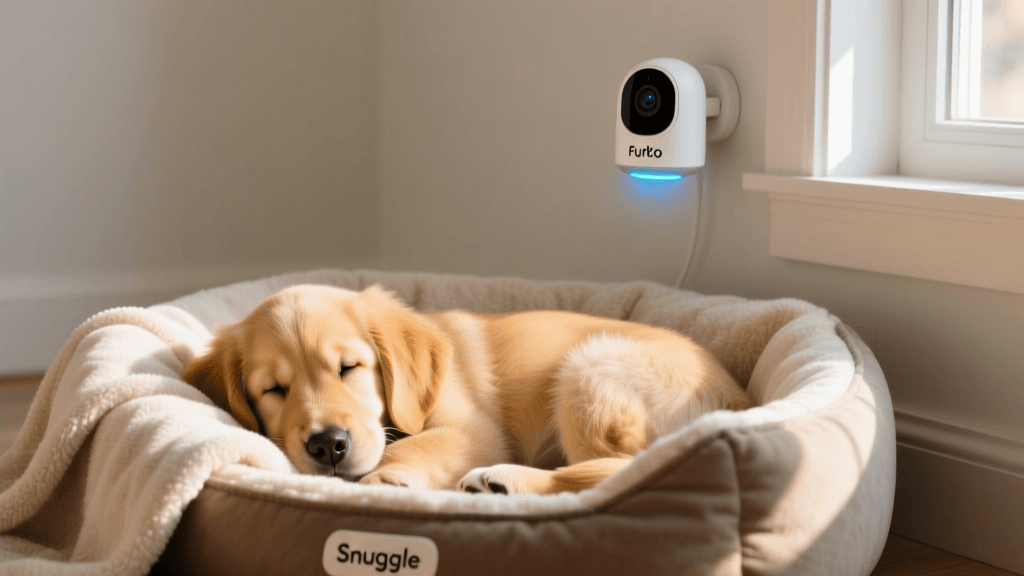
The Furbo 360 is a game-changer for alone-time training. Unlike static cameras, the 2026 Furbo model features auto-roaming capabilities, allowing it to follow your dog around the room and track their pacing or settling behaviors. Its AI-driven crying alerts notify your smartphone the moment your puppy begins to vocalize, allowing you to intervene before a full-blown panic attack occurs. The treat-tossing feature is invaluable for rewarding moments of calm silence, reinforcing that being alone yields positive outcomes.
2. SmartPetLove Snuggle Puppy
For newly adopted puppies or dogs transitioning from a shelter environment, the Snuggle Puppy is indispensable. This plush toy features a battery-operated heartbeat simulator and a heat pack that mimics the physical sensations of sleeping against a littermate or mother. Placing this inside the crate during the first two weeks of alone-time training drastically reduces the feeling of isolation and helps regulate the puppy's nervous system.
3. Adaptil Calm Home Diffuser
Pheromone therapy remains a cornerstone of veterinary behavioral medicine. The Adaptil Calm Home Diffuser plugs into the wall near your dog's crate and releases synthetic dog-appeasing pheromones. These chemical signals mimic those produced by a nursing mother dog, biologically signaling to the puppy that the environment is safe and secure.
4. Kong Classic and Frozen Enrichment
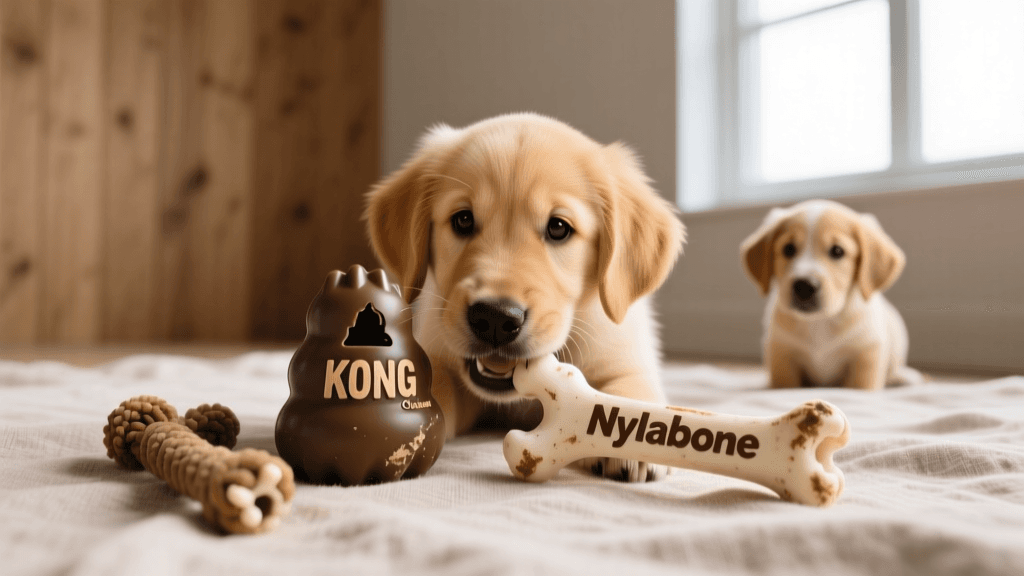
Food motivation is a powerful training tool. A classic Kong toy, stuffed with a mixture of plain Greek yogurt, pureed pumpkin, and kibble, then frozen overnight, provides a long-lasting licking activity. Licking releases endorphins in a dog's brain, naturally soothing them and keeping them occupied during the critical first minutes of your departure.
Setting Up the Ultimate Safe Zone
The physical environment where you leave your dog plays a massive role in their anxiety levels. Place the crate in a quiet, low-traffic area of your home, but not entirely isolated from the family's general living space. Covering the top and sides of the crate with a breathable blanket creates a den-like atmosphere that reduces visual overstimulation. Run a white noise machine or a fan near the crate to mask exterior sounds like passing cars, delivery drones, or neighborhood noises that might trigger alert barking and subsequent anxiety.
The 30-Day Alone Time Training Protocol
Building tolerance to solitude requires a systematic, incremental approach. Rushing this process is the primary reason dogs develop separation anxiety. Follow this structured 30-day protocol to build your dog's confidence.
Week 1: Acclimation and the Heartbeat Phase
During the first week, your absences should be micro-departures lasting only one to five minutes. Place the Snuggle Puppy and the Adaptil diffuser near the crate. Give your dog a frozen Kong, close the crate door, and step out of the room. Use the Furbo camera to monitor them, but do not toss treats or use the two-way audio. If they cry, wait for a brief three-second pause in the vocalization before re-entering the room. This teaches them that silence, not crying, is what brings you back.
Week 2: Short Absences and Furbo Integration
Extend your absences to 10 to 20 minutes. This is the week to introduce the Furbo's treat-tossing feature. When you receive an alert that your dog is lying down quietly, toss a single high-value treat through the camera. This creates a positive association with the camera and reinforces settling behavior. Keep your departures and arrivals incredibly boring; avoid emotional greetings or prolonged goodbyes.
Week 3: Desensitizing Departure Cues
Dogs are masters of pattern recognition. They know you are leaving long before you walk out the door based on your departure cues: putting on shoes, picking up keys, or grabbing a coat. In week three, you must decouple these cues from the actual departure. Put on your coat, then sit back down on the couch. Pick up your keys, then put them in your pocket and make a cup of tea. By randomizing these triggers, you strip them of their anxiety-inducing power.
Week 4: Building Duration and Independence
By the fourth week, you should be aiming for absences of 45 to 90 minutes. Your dog should be comfortably engaging with their frozen enrichment toys and settling down with the Snuggle Puppy. Continue to use the Furbo to reward prolonged periods of rest. If your dog struggles at this duration, drop back to a shorter timeframe and build up more slowly.
30-Day Alone Time Training Schedule
| Training Phase | Duration of Absence | Primary Tools Used | Owner Action via Furbo Camera |
|---|---|---|---|
| Week 1: Acclimation | 1 to 5 minutes | Snuggle Puppy, Adaptil, Frozen Kong | Monitor only (no audio or treats) |
| Week 2: Integration | 10 to 20 minutes | Snuggle Puppy, Frozen Kong | Toss treats only when dog is lying down |
| Week 3: Desensitization | 20 to 45 minutes | Adaptil, Chews, White Noise | Monitor crying alerts; reward silence |
| Week 4: Duration | 45 to 90 minutes | Safe Zone Setup, Enrichment Toys | Intermittent treat tossing for deep rest |
The Golden Rule of Two-Way Audio
One of the most common mistakes new owners make in 2026 is overusing the two-way audio feature on their pet cameras. Hearing your voice without being able to see or reach you can actually spike a dog's anxiety, causing them to pace and whine in confusion. Use the two-way audio strictly for interrupting dangerous behavior, such as chewing on the crate bars. For general soothing, rely on the treat-tossing mechanism and the calming environment you have built.
When to Call a Professional
If you have followed this 30-day protocol consistently and your dog continues to exhibit signs of severe distress, such as drooling excessively, breaking teeth on the crate, or refusing to eat high-value treats when left alone, it is time to seek professional help. A Certified Veterinary Behaviorist can assess whether your dog requires short-term anti-anxiety medication to lower their baseline stress levels enough for behavioral modification to take effect. Remember, medication is not a failure; it is a tool that allows the brain to learn new, positive associations.
Final Thoughts on Fostering Independence
Preventing separation anxiety is an investment in your dog's long-term mental health and your own peace of mind. By leveraging the 2026 tech stack, including the Furbo camera and the Snuggle Puppy, and adhering to a structured, incremental training schedule, you are setting your new companion up for a lifetime of confidence. A dog who knows how to be alone is a dog who can fully enjoy the time they spend with you, free from the underlying stress of anticipating your next departure.
jonas-cole
All our authors care for dogs every day — read more of their work on the authors page.