Manage Dog Separation Anxiety: Furbo 360 Treat Protocol 2026
Discover the 2026 Furbo 360 treat tossing protocol to manage dog separation anxiety. Step-by-step desensitization training for calmer alone time.
The Modern Reality of Canine Separation Anxiety in 2026
As we navigate the evolving landscape of hybrid work schedules in 2026, dogs are experiencing unprecedented fluctuations in their daily routines. While remote work initially allowed pets to enjoy constant companionship, the recent corporate push for mandatory in-office days has triggered a massive spike in canine separation anxiety. Dogs are highly routine-oriented creatures, and the sudden shift from a human being home 40 hours a week to an empty house for eight-hour stretches is a recipe for severe behavioral distress. According to recent veterinary behavioral data, separation-related problems now account for nearly 25% of all behavioral referrals in 2026.
Separation anxiety is not simply a dog being 'naughty' or chewing shoes out of spite. It is a profound panic response characterized by elevated cortisol levels, destructive behavior, vocalization, and inappropriate elimination. To effectively manage this condition, modern dog owners must combine evidence-based behavioral modification with advanced smart home technology. Enter the Furbo 360 Dog Camera, a device that has become the gold standard for alone-time training when paired with a structured desensitization protocol.
Why the Furbo 360 is the Gold Standard for Alone Time Training
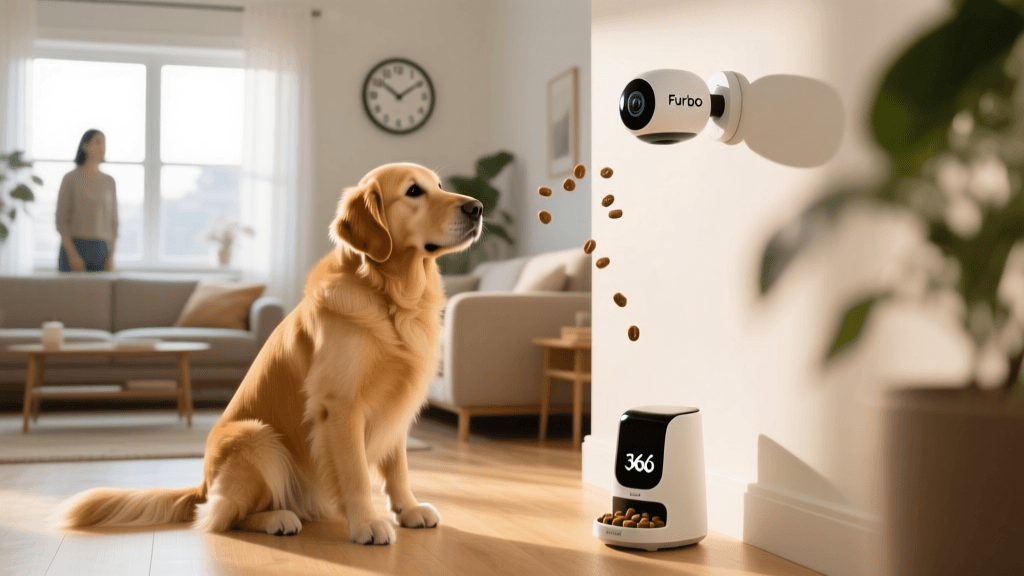
The Furbo 360, updated with its advanced 2026 firmware and enhanced AI dog activity recognition, offers a unique advantage for separation anxiety training: the 360-degree panning lens combined with the signature treat-tossing mechanism. Unlike static cameras that only monitor a single corner of a room, the Furbo 360 tracks your dog's movements, ensuring they remain in the camera's field of vision. More importantly, the auto-toss feature allows owners to schedule treat dispensing intervals or manually reward calm behavior from anywhere in the world.
When addressing separation anxiety, the goal is to change the dog's emotional response to being alone from 'panic' to 'positive anticipation.' By utilizing the Furbo 360's treat-tossing capabilities, we can systematically counter-condition the dog's association with your absence. The physical act of catching a high-value treat engages the dog's foraging instincts, releases dopamine, and interrupts the anxiety feedback loop before it escalates into destructive behavior.
The Science of Departure Cue Desensitization
Before utilizing the camera, we must address the triggers that initiate the anxiety response. Dogs with separation anxiety often begin panicking long before you actually leave the house. They recognize 'departure cues'—the jingle of car keys, the sound of a zipper, putting on shoes, or picking up a laptop bag. The ASPCA notes that desensitizing these departure cues is a critical first step in any separation anxiety treatment plan.
If your dog's heart rate spikes when you pick up your keys, leaving the house will only compound that terror. We must decouple these cues from the actual act of departure. This means picking up your keys and then sitting back down on the couch. It means putting on your coat and then making a cup of coffee. By repeating these actions without leaving, the cues lose their predictive power, and the dog's baseline anxiety begins to drop.
The 4-Phase Furbo 360 Treat Tossing Protocol
Once your dog is mildly desensitized to your pre-departure routine, you can implement the active Furbo 360 Treat Tossing Protocol. This method requires high-value, low-calorie training treats that can easily pass through the camera's dispensing mechanism.
Phase 1: Baseline Threshold Identification
Set up the Furbo 360 in the room where your dog will be confined (preferably a safe zone with a comfortable bed and water). Leave the room and close the door. Watch the live feed on your smartphone. Note the exact time it takes for your dog to show signs of stress (pacing, whining, scratching at the door). This is their 'threshold.' If your dog panics at 4 minutes, your maximum training duration for the first week is 3 minutes. Never push a dog past their threshold during this protocol.
Phase 2: Micro-Departures and the 'Auto-Toss' Setup
Using the Furbo app, set the Auto-Toss feature to dispense one treat every 45 to 60 seconds. Leave the house for a duration just under your dog's threshold (e.g., 2 minutes). The auto-toss keeps the dog engaged and creates a positive association with the door closing. Return quietly before the dog finishes the last treat. Do not make a big fuss when you return; keep greetings incredibly low-key to normalize your comings and goings.
Phase 3: Extending Duration with Interactive Foraging
As your dog remains calm during micro-departures, gradually increase the time between auto-tossed treats. Move from 60-second intervals to 90-second, then 2-minute intervals. During this phase, introduce a secondary enrichment activity, such as a frozen Kong or a snuffle mat, right before you leave. The Furbo 360 treats now serve as 'jackpot' rewards for interacting with the enrichment toy rather than just for being alone.
Phase 4: Real-World Generalization
Once your dog can comfortably handle 30 minutes of alone time with the 3-minute auto-toss setting, begin turning off the auto-toss for short bursts. Use the manual toss button from your phone to reward calm behavior (e.g., lying on their bed) intermittently. This builds resilience and teaches the dog that being alone does not guarantee a continuous stream of food, but that calm behavior is always rewarded.
Treat Tossing Schedule and Threshold Progression
Below is a structured progression chart to guide your training. Remember, every dog progresses at a different rate. If your dog regresses, drop back down to the previous successful week.
| Training Week | Target Departure Duration | Furbo 360 Auto-Toss Setting | Primary Success Metric |
|---|---|---|---|
| Week 1 | 1 to 3 Minutes | 1 treat every 45 seconds | No vocalization, dog eats treats immediately |
| Week 2 | 5 to 10 Minutes | 1 treat every 60 seconds | Dog settles on bed between tosses |
| Week 3 | 15 to 20 Minutes | 1 treat every 90 seconds | Dog engages with secondary puzzle toy |
| Week 4 | 30 to 45 Minutes | 1 treat every 3 minutes | Dog sleeps or rests calmly for extended periods |
| Week 5+ | 1 to 2 Hours | Manual toss only (intermittent) | Low heart rate, no destructive behavior |
Complementary Calming Tools for 2026
While the Furbo 360 protocol is highly effective, managing severe separation anxiety often requires a multi-modal approach. In 2026, veterinary behaviorists highly recommend pairing interactive camera training with synthetic pheromone therapy. The Adaptil Optimum diffuser, which utilizes a newer, broader spectrum of dog-appeasing pheromones, should be plugged into the wall of the dog's safe room at least 48 hours before beginning the protocol.
Additionally, consider utilizing a biometric dog collar that tracks heart rate variability (HRV). Monitoring your dog's physiological stress responses via HRV data provides objective evidence of whether the training protocol is actually lowering their anxiety, or if they are simply suppressing their outward panic behaviors to earn treats.
Troubleshooting Common Setbacks
Even with the best technology and training plans, setbacks occur. Here is how to handle the most common hurdles encountered during the Furbo 360 protocol:
- Treat Refusal: If your dog ignores the tossed treats, they are likely over their anxiety threshold. A dog in a state of panic will not eat, even if the treat is roasted chicken. Immediately return home, end the session, and shorten the departure duration for the next attempt.
- Barrier Frustration: Some dogs may begin barking at the Furbo 360 camera itself, demanding more treats. If this occurs, switch the auto-toss schedule to a randomized interval rather than a fixed timer, so the dog cannot predict and demand the reward. Alternatively, mount the camera higher on the wall so it is out of the dog's direct physical reach.
- Regression on 'Bad Days': Thunderstorms, construction noise, or changes in the household can cause sudden regression. The Humane Society advises maintaining a strict routine and utilizing white noise machines to mask unpredictable environmental triggers that might exacerbate your dog's stress.
When to Consult a Veterinary Behaviorist
It is crucial to recognize that training tools and protocols have their limits. If your dog is injuring themselves trying to escape the house, refusing to eat for hours, or if the panic responses do not diminish after three weeks of consistent Furbo 360 desensitization, it is time to seek professional help. A board-certified veterinary behaviorist can evaluate your dog for underlying medical conditions and discuss pharmacological interventions.
In 2026, medications such as fluoxetine or clomipramine, often combined with fast-acting situational anti-anxiety medications like trazodone, are frequently prescribed to lower a dog's baseline neurochemical arousal. Medication is not a failure of training; rather, it acts as a bridge, lowering the dog's panic threshold enough so that the Furbo 360 treat-tossing protocol can actually be processed and retained by the brain. By combining modern smart technology, evidence-based desensitization, and professional veterinary support, you can help your dog find peace and confidence when left alone.
beth-carrasco
All our authors care for dogs every day — read more of their work on the authors page.