Rural To Urban Apartment Dog Transition Guide 2026
Discover the ultimate 2026 guide for moving your dog from a rural home to an urban apartment. Covers potty shifts, noise desensitization, and space tips.
The 2026 Urban Shift: Understanding Your Dog's Stress
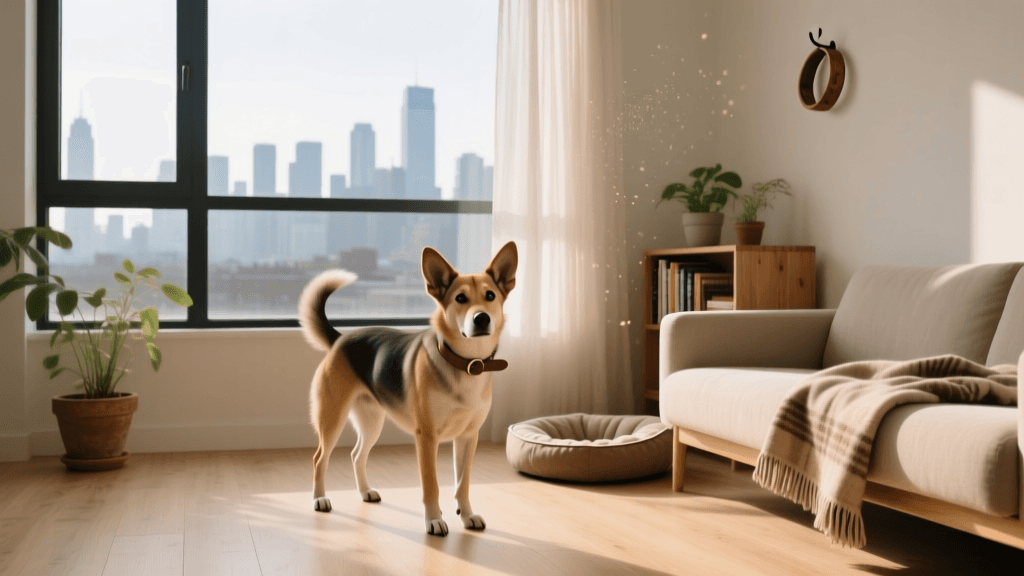
Moving from a sprawling rural property or a quiet suburban home with a fenced yard into a compact urban apartment is one of the most significant life transitions you can share with your dog. In 2026, as urbanization continues to rise and more remote workers relocate to city centers for lifestyle changes, the rural-to-urban pet migration is at an all-time high. While city living offers incredible walkability, dog-friendly cafes, and vibrant communities, the shift in environment can trigger severe stress, reactivity, and confusion for a dog accustomed to open spaces and quiet nights.
This comprehensive guide will walk you through the exact steps to manage this life transition, ensuring your dog thrives in their new high-rise or walk-up home. From redefining their potty routine to managing elevator etiquette, here is everything you need to know about transitioning your rural dog to an urban apartment in 2026.
Acoustic Desensitization: Prepping for City Soundscapes
Rural environments are defined by natural sounds and wide-open quiet, whereas urban centers are a constant cacophony of sirens, garbage trucks, elevator dings, and neighborly footfalls. According to the ASPCA's guidelines on moving with pets, maintaining a sense of normalcy is critical, but you must also actively prepare your dog for the auditory shock of the city.
Start four to six weeks before your move. Use a smart speaker to play city ambiance playlists or white noise tracks featuring traffic and distant sirens. Begin at a very low volume while your dog is engaged in a high-value activity, such as eating dinner or chewing on a long-lasting treat like a yak cheese chew. Gradually increase the volume over several weeks. If your dog shows signs of stress (panting, pacing, tucked tail), lower the volume immediately. The goal is to build a positive association with urban noise before they ever step foot in your new apartment.
The Potty Paradigm Shift: From Grass to Concrete
Perhaps the most jarring transition for a rural dog is the loss of immediate backyard access. In an apartment, potty breaks require leashing up, navigating hallways, waiting for elevators, and walking to a designated concrete patch or shared green space. This friction can lead to indoor accidents if not managed proactively.
For high-rise dwellers or those with limited mobility, bringing the outdoors inside is a highly effective 2026 strategy. Below is a comparison of the top apartment potty solutions available this year:
| Solution | Best For | 2026 Est. Monthly Cost | Pros | Cons |
|---|---|---|---|---|
| Fresh Patch (Real Grass Delivery) | Dogs who refuse artificial turf | $35 - $55 | Real grass scent encourages use; biodegradable | Requires recurring subscription; can attract fruit flies if not replaced |
| DoggieLawn (Hydroponic Grass) | Eco-conscious owners | $30 - $50 | Soil-free, less messy; real grass | Grass can yellow quickly in direct indoor sunlight |
| UgoDog (Grate System) | Budget-conscious, small breeds | $15 (pads) | One-time purchase for base; keeps paws dry | Artificial feel; requires daily pad changes |
| Potty Training Bells | Ground-floor or walk-up apartments | $10 (one-time) | Teaches dog to communicate; no indoor mess | Requires owner to always be home to let them out |
Pro Tip: If transitioning from a yard to a concrete city patch, bring a small bag of dirt or grass from your old rural home and sprinkle it on the new city potty spot. The familiar scent will help your dog understand what is expected of them in this new location.
Navigating Elevators, Hallways, and Shared Spaces
In a rural setting, your dog is used to seeing other animals or people from a distance. In an apartment building, you will inevitably be forced into tight, enclosed spaces with strangers, delivery workers, and other reactive dogs. Elevators are particularly stressful triggers for rural dogs due to the confined space, strange mechanical noises, and sudden proximity to strangers.
Elevator Etiquette Training
Before you even move in, visit a local public building with an elevator to practice. Teach your dog a solid 'Watch Me' or 'Touch' (hand target) command. When the elevator doors open, immediately ask for a 'Touch' and reward with a high-value treat (like freeze-dried liver). This keeps your dog's focus entirely on you rather than the intimidating environment. Always position your dog in the back corner of the elevator, using your body to block them from the doors to prevent sudden bolting or defensive reactions when new people enter.
Hallway Passing Protocol
Hallways are narrow choke points. If you see a neighbor approaching, do not force a greeting. Step into a doorway alcove if one exists, or simply turn around and walk the other way. Advocate for your dog by politely telling neighbors, 'We are in training, please give us space.' In 2026, urban dog culture heavily respects the 'yellow ribbon' movement—tying a yellow ribbon or bandana to your dog's leash signals to other residents that your dog needs space and should not be approached.
Maximizing Enrichment in Limited Square Footage
A rural dog is used to patrolling acres of land, sniffing diverse wildlife trails, and burning off energy through sheer exploration. An apartment limits their physical territory, which can lead to boredom, destructive chewing, and excessive barking. You must replace physical acreage with mental enrichment.
- Vertical Space Utilization: Dogs love to observe. Invest in sturdy, wall-mounted pet stairs or a designated window perch. Allowing your dog to safely watch the street below provides immense visual stimulation (often called 'Doggy TV') without taking up valuable floor space.
- Scent Work and Snuffle Mats: Ten minutes of intense sniffing tires a dog out as much as a 30-minute walk. Hide your dog's kibble around the apartment or use a high-quality snuffle mat to force them to forage for their meals.
- Rotational Puzzle Toys: Do not leave puzzle toys out all the time. In 2026, top-tier options like the Outward Hound Nina Ottosson Dog Brick or the Kong Classic should be rotated weekly to maintain novelty and prevent your dog from solving them too quickly out of boredom.
Administrative Essentials: Microchips and Urban Vet Care
The moment you close on your new apartment or sign your lease, your administrative duties begin. The FDA's microchip resources emphasize that a microchip is only as good as the registry information tied to it. Log into your microchip provider's portal immediately and update your dog's primary address and emergency contact numbers. Urban environments present higher risks of dogs slipping out of doors or getting spooked by loud noises and bolting into traffic; an updated chip is their ticket home.
Additionally, you need to establish care with a local veterinarian before an emergency strikes. City vet clinics are notoriously busy, and wait times for new patients can stretch for months. Look for a clinic that specializes in urban pet stress. Using the Fear Free Pets directory is an excellent way to locate certified veterinary professionals in your new zip code. These clinics utilize specialized handling techniques, separate cat and dog waiting areas, and calming pheromones to ensure your rural dog isn't traumatized by their first city vet visit.
Final Thoughts on the Transition
Patience is your greatest asset during this life transition. Your dog may experience sleep disturbances, temporary regressions in house training, or clingy behavior during the first three to four weeks in your new apartment. Stick to a rigid daily schedule for feeding, walking, and playtime. By proactively managing their environment, desensitizing them to urban stimuli, and maximizing mental enrichment, your rural dog will soon settle into the rhythm of city life, proving that home is truly wherever you are together.
tom-renshaw
All our authors care for dogs every day — read more of their work on the authors page.