2026 Separation Anxiety Guide: Furbo 360 Desensitization Protocol
Discover the 2026 Furbo 360 desensitization protocol to cure dog separation anxiety. Step-by-step training, timing, and smart camera treat-tossing tips.
The 2026 Landscape: Hybrid Schedules and Canine Stress
As we navigate the fully established hybrid-work era of 2026, dog owners are facing a unique behavioral challenge. While the sudden shifts of the early 2020s have long passed, the modern standard of two days in the office and three days at home has created a new wave of micro-anxieties in our canine companions. Dogs thrive on predictability, and the alternating presence and absence of their owners can trigger severe separation anxiety. According to the ASPCA's guidelines on separation anxiety, this condition is characterized by extreme distress, vocalization, destructive behavior, and inappropriate elimination when a dog is left alone or separated from their primary attachment figure.
To combat this, behaviorists in 2026 are increasingly relying on technology-assisted desensitization protocols. The most effective of these is the Departure Desensitization Protocol utilizing the Furbo 360 Dog Camera. This comprehensive guide will walk you through the exact steps, timing, and gear required to help your dog build confidence and independence when left home alone.
Understanding the Physiology of Separation Anxiety
Before diving into the training protocol, it is crucial to understand what is happening inside your dog's brain. Separation anxiety is not a display of spite or boredom; it is a genuine panic response. When an anxious dog realizes they are alone, their cortisol and adrenaline levels spike dramatically. This physiological fight-or-flight response is why punishment-based training or crate confinement often exacerbates the issue. The goal of our 2026 protocol is to rewire the dog's emotional response to your departure cues, replacing panic with a sense of calm and positive anticipation.
Essential Gear: Furbo 360 and Pheromone Therapy
Successfully executing this protocol requires specific tools that allow for remote intervention and environmental calming.
1. Furbo 360 Dog Camera (2026 Edition)
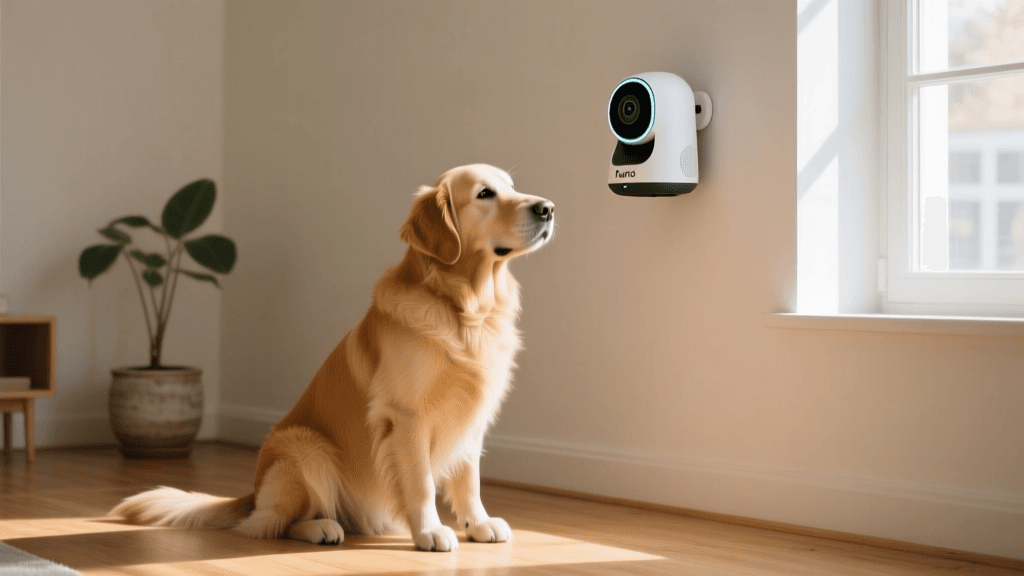
Retailing at approximately $219 in 2026, the Furbo 360 remains the gold standard for anxiety training. Unlike static cameras, its 360-degree panning feature and auto-dog-tracking ensure you can monitor your dog's pacing patterns from any angle. Crucially, it features a 100-treat capacity and an 'Auto-Toss' function, which allows you to schedule treat dispensing at randomized intervals via the companion app. This feature is the linchpin of our desensitization protocol.
2. Adaptil Optimum Diffuser
Priced around $75 for the starter kit, the Adaptil Optimum diffuser releases a patented complex of dog-appeasing pheromones. Plugging this into the room where your dog spends their alone time 48 hours before beginning the protocol helps establish a baseline of environmental calm, lowering the threshold for panic before training even begins.
The 4-Week Departure Desensitization Protocol
This protocol requires patience. Do not rush the timeline, as pushing a dog past their anxiety threshold will result in a training setback.
Week 1: Trigger Desensitization (No Departures)
Dogs with separation anxiety often begin panicking before you even leave the house. They recognize 'pre-departure cues' such as picking up your keys, putting on your coat, or tying your shoes.
- Days 1-3: Pick up your keys, jingle them, and sit back down on the couch. Repeat 10 times a day until the dog ignores the sound.
- Days 4-5: Put on your coat and shoes, walk to the door, touch the handle, and then take everything off and sit down.
- Days 6-7: Open the door, step out, immediately step back in, and close the door. Keep your energy entirely neutral.
Week 2: Micro-Departures with Manual Tossing
Now we introduce the Furbo 360 and actual absences, starting with durations that do not trigger anxiety.
- Setup: Place your dog in their safe room with the Adaptil diffuser running and a long-lasting chew (like a bully stick).
- Action: Leave the house, close the door, and immediately watch the Furbo 360 live feed on your phone.
- Intervention: The moment your dog looks at the door or shows mild interest, use the app to manually toss a high-value treat (e.g., Zuke's Mini Naturals).
- Duration: Stay outside for 30 seconds to 2 minutes. Return before the dog finishes the chew and before they exhibit distress.
Week 3: The Auto-Toss Interval Method
This week, we shift the dog's emotional response from 'my owner left' to 'my owner leaving means a treat game begins.'
- Setup: Fill the Furbo 360 with your dog's daily kibble allowance or low-calorie training treats.
- Action: Configure the Furbo app's Auto-Toss feature to dispense one treat every 3 to 5 minutes randomly.
- Duration: Leave the house for 15 to 30 minutes. The randomized treat dispensing keeps the dog engaged and creates a positive association with your absence. If the dog ignores the treats and paces, you have exceeded their threshold and must reduce the time.
Week 4: Duration Building and Real-World Application
Gradually extend your absences to 1 hour, then 2 hours, and eventually a full workday. Continue using the Auto-Toss feature, but slowly increase the interval between treats (e.g., every 15 minutes, then every 30 minutes) until the dog is comfortable resting alone without food motivation.
Comparison: Top Treat-Tossing Cameras for 2026
While the Furbo 360 is our top recommendation for severe anxiety due to its tracking and capacity, other options exist for different budgets and needs.
| Camera Model | Treat Capacity | Field of View | 2026 Price | Best Use Case |
|---|---|---|---|---|
| Furbo 360 | 100 treats | 360° Panning | $219 | Severe anxiety, active pacing dogs |
| Petcube Bites 2 Lite | 30 treats | 160° Wide Angle | $129 | Mild anxiety, stationary dogs |
| Eufy Pet Dog Camera | 20 treats | 170° Fixed | $99 | Budget setups, small rooms |
| Wyze Cam Pan v3 | None | 360° Panning | $39 | Monitoring only (no treat tossing) |
Dietary Considerations: Managing Caloric Intake
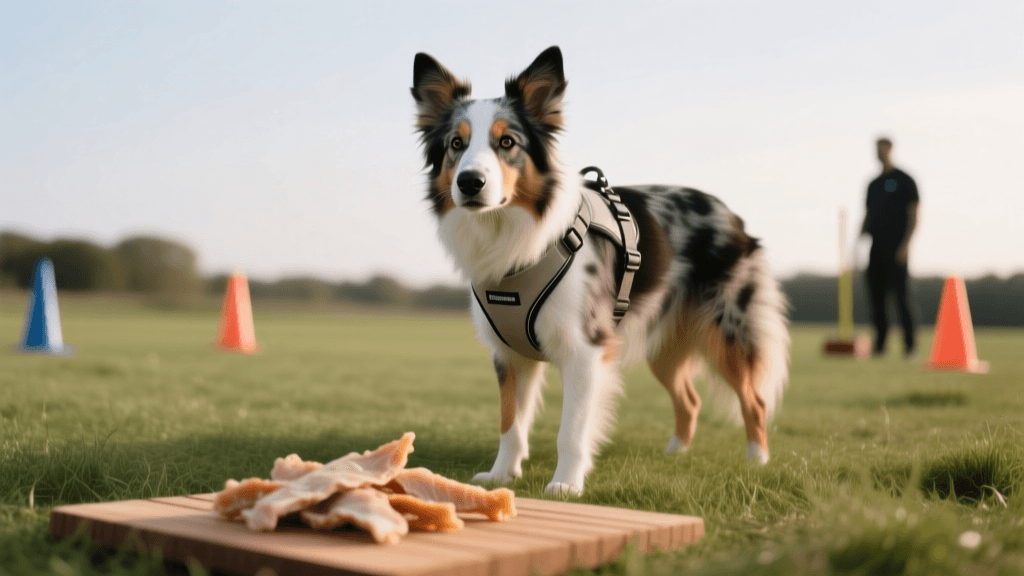
A common pitfall in treat-based desensitization is overfeeding. If you are tossing treats every 5 minutes during a 30-minute session, those calories add up quickly. In 2026, veterinary nutritionists recommend using your dog's regular kibble for the bulk of the Auto-Toss sessions. Reserve high-value, aromatic treats like freeze-dried liver or Zuke's Minis (approx. $14 for a 16oz bag) strictly for the moment you walk out the door or for manual rewards when the dog displays exceptional calmness. Always deduct the treats used in training from your dog's daily caloric allotment to prevent obesity.
Expert Rules for Departures and Arrivals
Technology and treats are only half the battle; your own behavior plays a massive role. The Humane Society of the United States strongly advocates for the 'No Touch, No Talk, No Eye Contact' rule during departures and arrivals.
The Golden Rule: Ignore your dog for 15 minutes before you leave and 15 minutes after you return. Emotional goodbyes and high-pitched, excited greetings validate the dog's belief that your departure is a massive, stressful event and your return is the only relief. By keeping arrivals and departures incredibly boring, you normalize the process.
Furthermore, the American Kennel Club notes that ensuring your dog receives adequate physical exercise and mental enrichment before you leave is vital. A 45-minute sniffari or a session of flirt-pole play before your workday begins will ensure your dog is naturally inclined to sleep while you are away, rather than patrol the house.
Conclusion
Overcoming separation anxiety in 2026 requires a blend of modern smart-home technology, evidence-based behavioral conditioning, and immense patience. By utilizing the Furbo 360 to systematically desensitize your dog to your absence, pairing it with environmental pheromones, and strictly adhering to neutral departure routines, you can help your canine companion find peace and security when left home alone. Remember, if your dog's anxiety results in self-injury or severe property destruction, consult a board-certified veterinary behaviorist immediately to discuss whether short-term anti-anxiety medication is appropriate to facilitate the training process.
jonas-cole
All our authors care for dogs every day — read more of their work on the authors page.