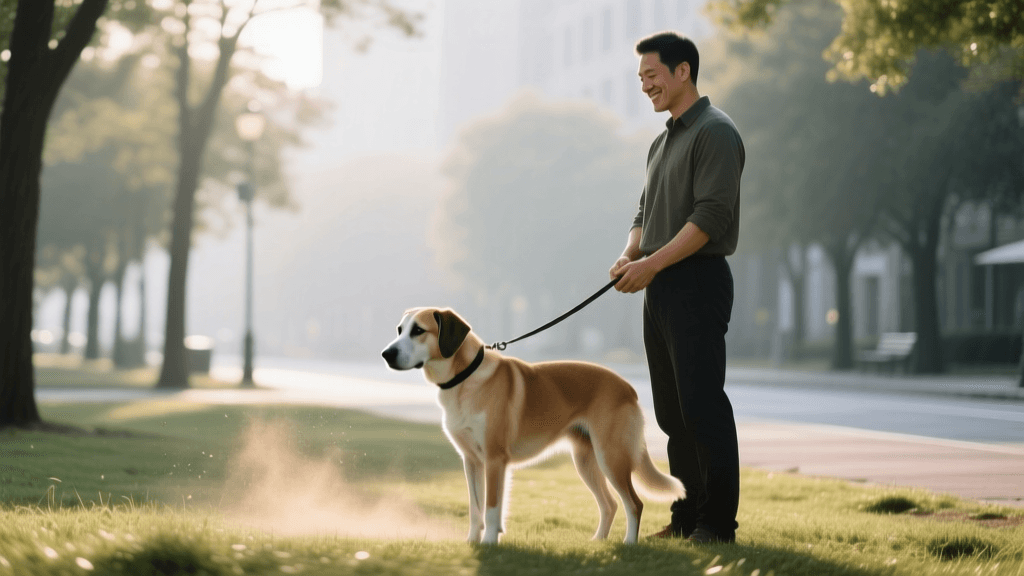
Fueling Focus: Nutrition Strategies for Dog Obedience Training
Discover how to balance high-value training treats with daily nutrition to maximize your dog's focus and prevent obesity during obedience sessions.
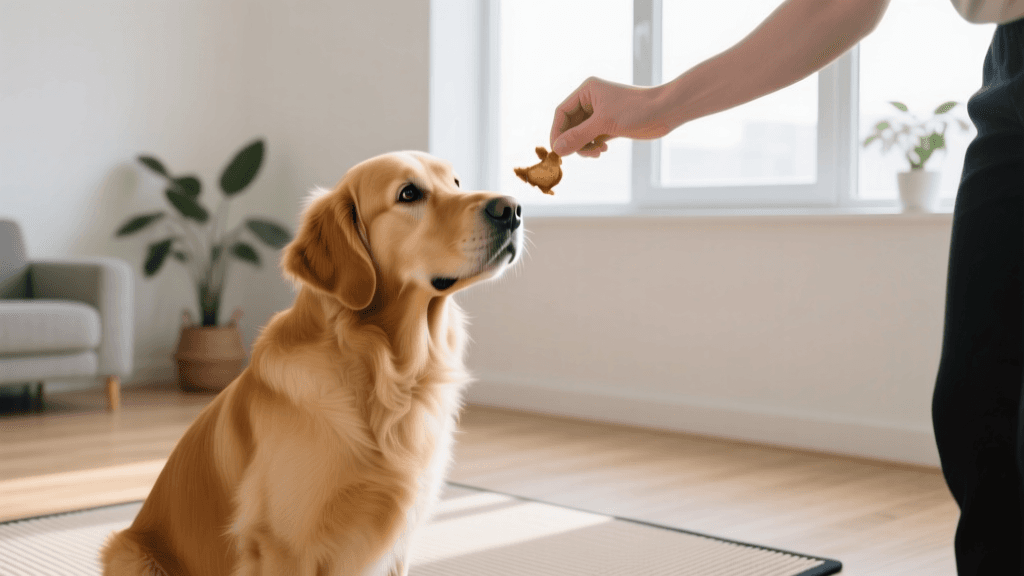
The Brain-Gut Connection in Canine Learning
When we think of dog training, we often focus on mechanics, timing, and behavioral psychology. However, from a health and nutrition perspective, a dog's ability to learn, retain commands, and maintain focus is deeply rooted in their metabolic and gastrointestinal health. Just like human athletes, working and training dogs require optimized fuel to perform cognitive tasks. A dog experiencing blood sugar spikes and crashes from poor-quality treats will struggle with impulse control and sustained attention. By viewing obedience training through a clinical nutrition lens, owners can dramatically improve their dog's learning curve while safeguarding their long-term health.
The 10% Rule and Caloric Budgeting
The foundation of integrating nutrition into a training regimen is the '10% Rule.' Veterinary nutritionists widely recommend that treats and training rewards should comprise no more than 10% of a dog's total daily caloric intake to prevent nutritional imbalances and obesity. According to the Tufts University Cummings Veterinary Medical Center, exceeding this threshold can lead to deficiencies in essential vitamins and minerals provided by a complete and balanced base diet.
For a 50-pound moderately active dog requiring roughly 1,000 calories per day, the treat budget is strictly 100 calories. During an intensive weekend obedience workshop or a high-repetition agility session, it is alarmingly easy to exceed 100 calories if using standard commercial biscuits. To counteract this, professional trainers employ a 'caloric banking' strategy. This involves measuring the dog's daily kibble allowance, removing 10% to 15% of the morning meal, and using those exact kibble pieces as low-value rewards for known behaviors, saving the high-calorie, high-value treats strictly for shaping new, complex behaviors.
Strategic Treat Selection: Caloric Density vs. Motivation
Not all training moments require a piece of freeze-dried beef liver. Understanding the caloric density of various rewards allows handlers to maintain a dog's food drive without packing on excess adipose tissue. High-value treats are essential for proofing behaviors in high-distraction environments or for counter-conditioning, but they must be accounted for meticulously.
Below is a structured comparison of common training rewards, their caloric impact, and their best application in a structured obedience program:
| Treat Type | Average Calories per Unit | Macronutrient Profile | Best Training Application |
|---|---|---|---|
| Dog's Regular Kibble | 3 - 5 kcal/piece | Balanced (Carbs/Protein/Fat) | Repetitive drills, luring, known cues in low-distraction areas. |
| Zuke's Mini Naturals | 3.5 kcal/piece | Moist, moderate protein | Rapid-fire rewarding, shaping new behaviors indoors. |
| Freeze-Dried Beef Liver | 5 - 7 kcal/gram | High protein, low carb | High-distraction environments, recall training, fear rehabilitation. |
| Boiled Chicken Breast | ~2 kcal/gram | Lean protein, high moisture | Dogs with sensitive stomachs, allergy-safe high-value reward. |
| Standard Milk-Bone Biscuit | 40+ kcal/biscuit | High carb, wheat-based | Not recommended for active training; use as a post-session snack only. |
Timing Meals and Training Sessions for Peak Performance
The timing of a dog's meals in relation to their training schedule is a critical, yet frequently overlooked, aspect of canine health and performance. Training a dog immediately after a large meal can lead to lethargy due to the parasympathetic nervous system's 'rest and digest' response. More dangerously, engaging in vigorous physical activity or experiencing high stress immediately after eating significantly increases the risk of Gastric Dilatation-Volvulus (GDV), commonly known as bloat. The American Kennel Club (AKC) strongly advises against strenuous exercise or high-stress training immediately before or after meals, particularly in large, deep-chested breeds.
Optimal Timing Protocol:
- Morning Sessions: Train in a fasted state or after a very small 'top-up' of 1/4 of their daily ration. A slight state of hunger naturally increases food drive and motivation, making the dog more eager to work for kibble or low-value treats.
- Afternoon/Evening Sessions: Schedule training at least 2 to 3 hours after the main meal. This ensures the stomach has adequately emptied, mitigating GDV risks while maintaining steady blood glucose levels for cognitive focus.
- Hydration: Always provide access to fresh water, but discourage gulping large volumes immediately before or during intense physical training to prevent gastrointestinal discomfort.
Addressing Allergies and Gastrointestinal Upset
Intensive training often requires introducing novel proteins or a higher volume of treats than a dog is accustomed to. This sudden dietary shift can trigger gastrointestinal upset, including soft stools or vomiting, which will immediately derail a training session. Furthermore, dogs with underlying food sensitivities (such as allergies to chicken, beef, or wheat) may experience pruritus (itching) or ear infections, creating physical distractions that make obedience conditioning nearly impossible.
To maintain gut health during heavy training periods, stick to single-ingredient, novel protein treats if your dog has a sensitive stomach. Ingredients like freeze-dried green tripe, rabbit, or wild salmon provide immense olfactory stimulation (which drives canine motivation) without relying on common allergens. Additionally, incorporating a canine-specific probiotic supplement into the dog's evening meal can help stabilize the gut microbiome against the stress of new environments and dietary variations inherent in competitive obedience or field work.
Cognitive Supplements: Omega-3s and MCTs
Beyond basic caloric management, specific nutritional supplements can enhance a dog's neuroplasticity and learning capacity. Research into canine cognitive dysfunction and working dog performance has highlighted the profound impact of certain fatty acids on brain health.
- EPA and DHA (Omega-3 Fatty Acids): Found in high concentrations in wild-caught fish oils, EPA and DHA reduce neuroinflammation and support cellular membrane health in the brain. Supplementing with a high-quality fish oil (aiming for a combined EPA/DHA dose of roughly 50-75mg per kg of body weight, as advised by your veterinarian) can improve a dog's ability to process and retain complex command chains.
- Medium-Chain Triglycerides (MCTs): The brain relies heavily on glucose for energy, but as dogs age or experience metabolic stress, glucose metabolism in the brain can become less efficient. MCT oil, derived from coconut oil, provides an alternative, immediate energy source for the brain in the form of ketones. Adding a half-teaspoon of MCT oil to a working dog's meal can result in noticeably sharper focus and reduced mental fatigue during long obedience trials.
Hydration and Cognitive Fatigue in Field Training
When obedience training moves from the climate-controlled living room to the outdoor field, environmental factors begin to dictate nutritional and hydration needs. Dehydration, even at a mild level of 2-3%, has been clinically shown to impair cognitive function, delay reaction times, and reduce a dog's willingness to comply with commands. While water is essential, dogs engaged in prolonged, high-intensity field training or competitive obedience may benefit from targeted hydration strategies.
Offering 'baited water' (water mixed with a small amount of low-sodium bone broth or the water drained from canned, salt-free sardines) can encourage dogs to drink more frequently during breaks. Furthermore, avoiding high-sugar commercial 'dog sports drinks' is vital, as canine sweat glands do not function like human ones, and excess sugar can lead to osmotic diarrhea, compounding dehydration. Instead, rely on frequent, small offerings of plain water and moisture-rich treats like watermelon cubes or cucumber slices, which provide both hydration and a low-calorie crunch that resets the dog's palate during repetitive drills.
Conclusion: Training as a Holistic Health Practice
Mastering obedience training is not solely about the handler's mechanics; it is about cultivating a biologically optimized partner. By respecting the 10% treat rule, strategically selecting rewards based on caloric density, timing meals to prevent GDV and maximize drive, and supporting brain health with targeted lipids, you elevate your training from a simple behavioral exercise to a comprehensive health and wellness practice. Always consult with a board-certified veterinary nutritionist or your primary veterinarian, utilizing resources like the WSAVA Global Body Condition Score Charts, to ensure your training dog maintains an ideal physique and metabolic profile throughout their working career.
marcus-aldridge
All our authors care for dogs every day — read more of their work on the authors page.