Stop Leash Pulling: Best No-Pull Dog Harnesses for 2026
Discover the best front-clip no-pull dog harnesses for 2026. Learn how to stop leash pulling and master urban loose-leash walking with expert tips.
The Urban Leash-Pulling Epidemic
Living in a bustling metropolitan area with a dog is a dream come true for many pet parents, but that dream can quickly turn into a shoulder-wrenching nightmare if your dog pulls on the leash. Urban environments in 2026 are packed with novel triggers: silent delivery e-bikes, autonomous sidewalk rovers, skateboards, other reactive dogs, and discarded food wrappers. If you are dealing with a determined puller, relying solely on a traditional back-clip harness or a flat collar is a recipe for daily frustration and potential tracheal damage. Enter the front-clip no-pull dog harness. This piece of equipment has revolutionized urban dog walking, offering a humane way to manage pulling while you actively train your dog for better leash manners. But not all harnesses are created equal, and using one incorrectly can lead to chafing, escape attempts, or altered gaits. In this comprehensive guide, we will explore the biomechanics of front-clip harnesses, review the top models available this year, and provide a step-by-step training protocol to help you and your dog enjoy peaceful city strolls.
How Front-Clip No-Pull Harnesses Actually Work
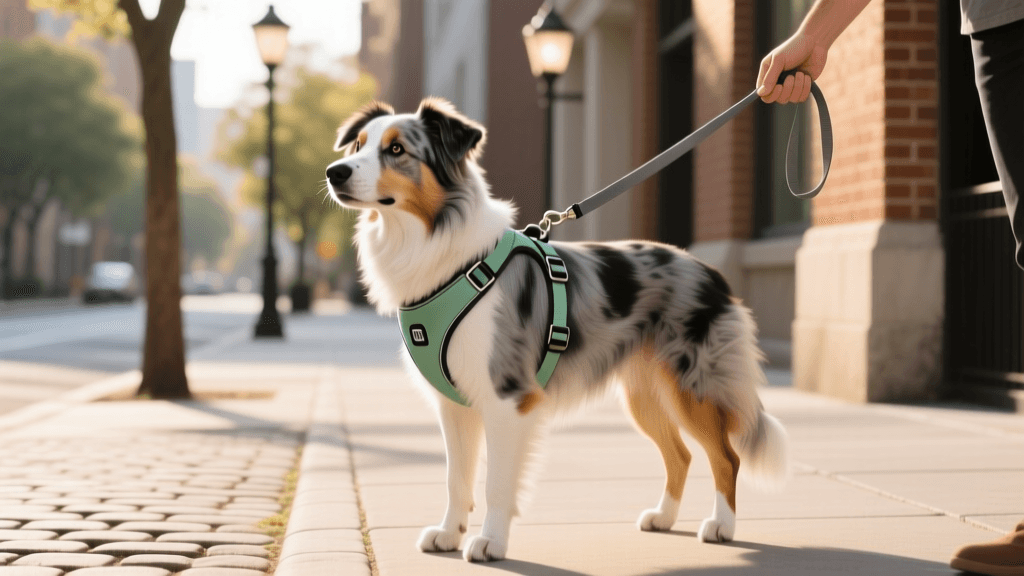
To understand why a front-clip harness is a game-changer for urban walkers, we need to look closely at canine biomechanics and physics. When a dog wears a standard back-clip harness, the leash attachment sits directly over their center of gravity and spine. This setup actually encourages pulling, as it distributes the pressure evenly across their robust chest and shoulders—the exact muscle groups they naturally use to sled, pull weight, or brace against resistance. It essentially turns your dog into a draft horse. Conversely, a front-clip harness attaches the leash at the sternum, right at the dog's chest. When the dog pulls forward, the front clip gently redirects their momentum sideways or back toward the handler. According to the American Kennel Club, this redirection breaks the dog's forward drive without causing pain or relying on aversive choking mechanisms. It makes the physical act of pulling inefficient and mildly annoying for the dog, which buys you the critical seconds needed to redirect their attention and reward them for engaging with you. However, experts note that a harness is a management tool, not a standalone cure for behavioral issues.
Top 3 No-Pull Dog Harnesses for City Walking in 2026
Let us dive into the top-rated no-pull harnesses dominating the urban dog-walking scene in 2026. We have evaluated these based on durability, adjustability, comfort, and effectiveness for strong pullers.
1. 2 Hounds Design Freedom No-Pull Harness
Widely considered the gold standard by professional force-free trainers, the Freedom Harness features a patented dual-clip system. It includes a Swiss velvet lining behind the legs to prevent the chafing that plagues cheaper models. The structural design allows you to connect the leash to both the front and back rings simultaneously using a dual-attachment leash. When the dog pulls, the back ring acts as a gentle brake while the front ring steers, providing unparalleled control over powerful breeds like Huskies or German Shepherds. Priced around $45 in 2026, it is an investment that pays off in longevity and control.
2. Rabbitgoo No-Pull Dog Harness
The undisputed champion of budget-friendly walking gear, the Rabbitgoo harness is a staple in city parks. It features a simple over-the-head design with a front chest ring and a top back ring. The 2026 version has upgraded the breathable mesh padding to be more resistant to burrs and urban grit. While it lacks the dual-connection capability of the Freedom Harness, the front ring provides excellent redirection for mild to moderate pullers. At roughly $20, it is an excellent entry-level option or a perfect backup harness for muddy rainy days.
3. Blue-9 Balance Harness
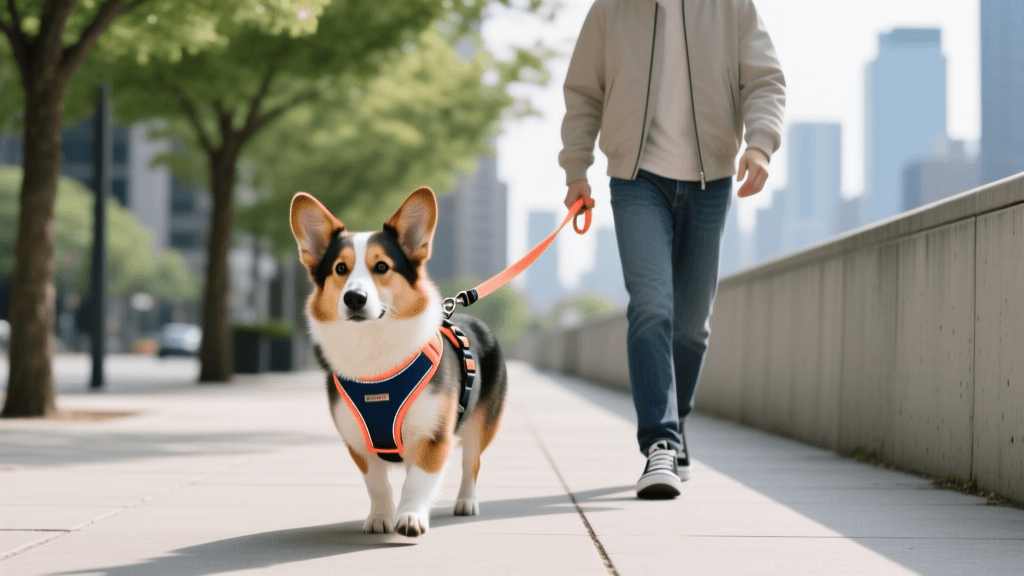
For dogs with hard-to-fit body shapes, such as Greyhounds, Corgis, or deep-chested rescue mixes, the Blue-9 Balance is the ultimate customizable solution. It boasts six points of adjustment, ensuring the harness sits perfectly without impinging on the shoulder joint's full range of motion. It offers both a front chest ring and a back ring, and the straps can be mixed and matched in colors. Priced at a premium $55, it is the top choice for dogs who suffer from anxiety or sensitivity when having harnesses pulled over their heads, as it can be fully unbuckled and stepped into.
2026 Urban No-Pull Harness Comparison Chart
| Harness Model | Estimated 2026 Price | Clip Locations | Adjustment Points | Best Suited For |
|---|---|---|---|---|
| 2 Hounds Freedom | $45.00 | Front & Back (Dual) | 4 Points | Powerful pullers, escape artists |
| Rabbitgoo No-Pull | $20.00 | Front & Back | 4 Points | Budget buyers, moderate pullers |
| Blue-9 Balance | $55.00 | Front & Back | 6 Points | Unique body shapes, sensitive dogs |
Step-by-Step Urban Loose-Leash Training Protocol
A harness is a tool, not a magic wand. The Humane Society of the United States emphasizes that specialized equipment must be paired with consistent, positive reinforcement training to achieve a reliable loose-leash walk. Here is a proven, two-phase protocol for urban environments.
Phase 1: The Engagement Baseline
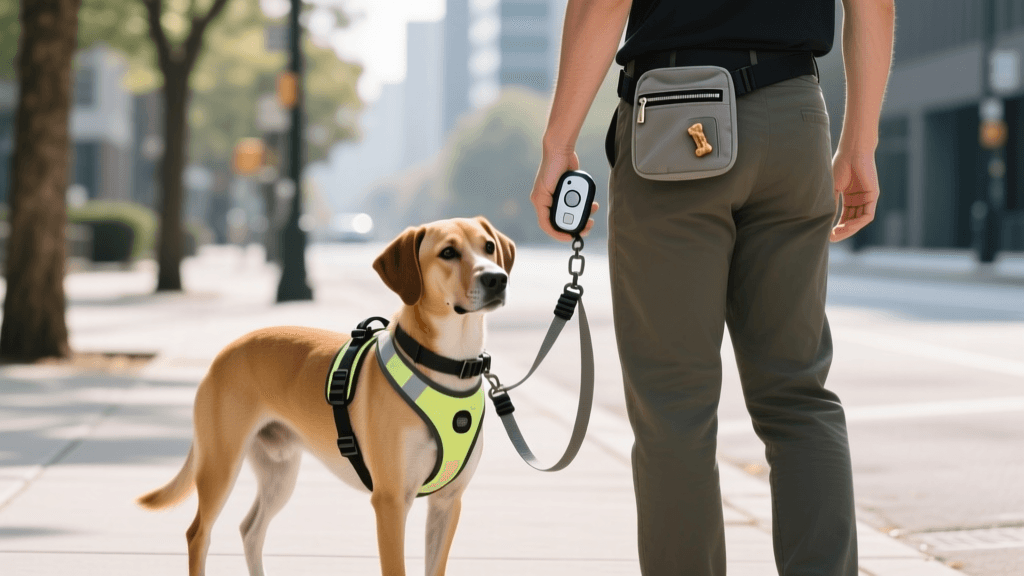
Before hitting the busy sidewalks, start in your living room or a quiet hallway. With your dog wearing the front-clip harness, simply stand still. The moment your dog looks at you, mark the behavior with a clicker or a verbal "yes" and deliver a high-value treat (like freeze-dried liver or boiled chicken) right at the seam of your pants. This teaches the dog that the "default" position when the leash is attached is to pay attention to you, not the environment. Gradually add movement, taking three steps backward and rewarding the dog for following you while keeping the leash loose.
Phase 2: Navigating High-Distraction Triggers
Urban walks require the "Engage-Disengage" game. When you spot a trigger (e.g., a skateboarder), stop walking before your dog reaches their threshold of reactivity. Wait for them to notice the trigger, then immediately mark and reward them for looking back at you. If the dog pulls toward the trigger, the front-clip harness will naturally pivot them back toward you. Do not yank the leash; simply stand still like a tree. Once they reorient to you and the leash goes slack, reward heavily and change direction. As noted by the experts at Preventive Vet, consistency in stopping forward motion when tension is applied is the single most important rule in loose-leash training. If pulling gets them where they want to go, the behavior is reinforced.
Proper Fitting: Avoiding Chafing and Escape
Improperly fitted harnesses can cause severe chafing, restrict breathing, or alter your dog's natural gait, leading to long-term orthopedic issues. The golden rule of harness fitting is the "two-finger test." You should be able to comfortably slide two fingers under every strap of the harness. Pay special attention to the girth strap behind the front legs; it must sit far enough back to avoid rubbing the sensitive armpit skin, but not so far back that it rests on the floating ribs. Furthermore, ensure the front chest ring sits squarely on the sternum. If it droops down toward the legs, the harness is too loose and will fail to provide the necessary steering leverage when your dog pulls. Always inspect the hardware and stitching monthly, as urban concrete and salt can degrade nylon and corrode cheap metal rings over time.
Final Thoughts on Managing Pulling
Mastering the urban loose-leash walk in 2026 is entirely possible with the right combination of biomechanically sound equipment and positive reinforcement training. By investing in a high-quality front-clip no-pull harness like the 2 Hounds Freedom or Blue-9 Balance, you protect your dog's physical health while safeguarding your own shoulders. Remember that patience is your greatest asset. Every walk is a training session, and with consistent redirection, your dog will learn that staying by your side is the most rewarding place to be in the busy city.
jonas-cole
All our authors care for dogs every day — read more of their work on the authors page.