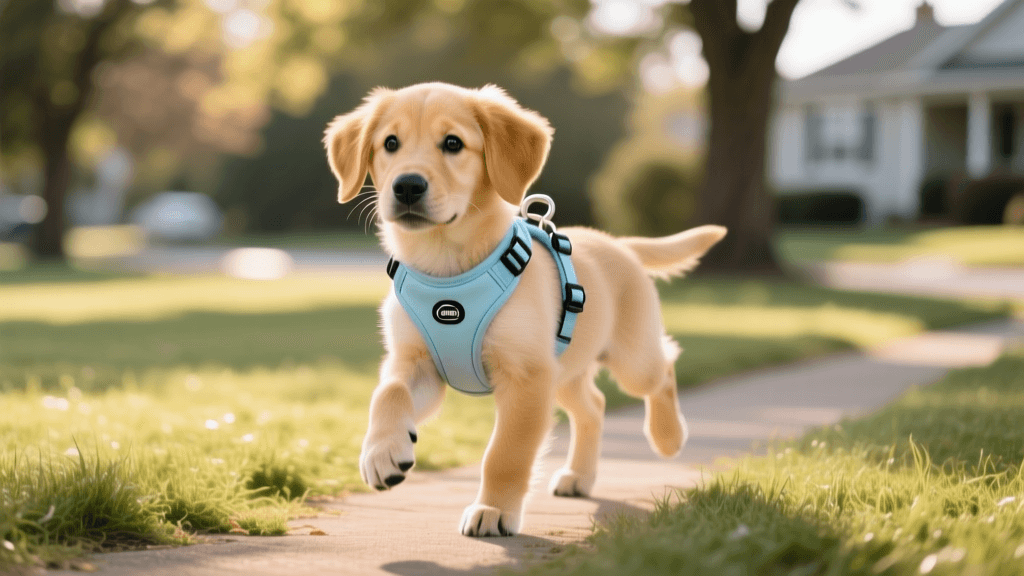
Best No Pull Dog Harness for Puppies in 2026: Fit & Joint Safety
Discover the best no pull dog harness for puppies in 2026. Learn how front-clip designs protect developing joints and stop leash pulling safely.
Why Puppies Need a Specialized No Pull Dog Harness in 2026
Bringing a new puppy home is an exciting milestone, but early leash training can quickly become a battle of wills. As we navigate the latest veterinary recommendations in 2026, experts overwhelmingly agree that traditional flat collars are unsuitable for growing puppies. A sudden jerk on a collar can cause severe tracheal damage or cervical spine injuries. This is where a high-quality no pull dog harness becomes an essential tool for your puppy's first year.
According to the American Kennel Club, introducing a harness early helps puppies associate walking with comfort rather than choking. However, not all harnesses are created equal. For puppies under 12 months, their growth plates remain open, making their joints highly susceptible to biomechanical stress. Using the wrong type of harness can inadvertently encourage pulling or strain developing shoulders.
The Biomechanics: Front-Clip vs. Back-Clip Harnesses
When shopping for a no pull dog harness in 2026, you will primarily encounter two designs: front-clip and back-clip. Understanding the physics behind these attachment points is crucial for your puppy's joint safety and behavioral development.
A back-clip harness places the leash ring between the shoulder blades. While it protects the neck, it triggers a dog's natural 'opposition reflex.' When a puppy feels pressure on their back, their instinct is to push forward against it, effectively turning the harness into a sled-dog rig. Conversely, a front-clip harness features the leash attachment on the chest. When the puppy pulls, the front clip gently redirects their momentum sideways, turning them back toward the handler and naturally discouraging the pulling behavior without applying painful pressure.
| Harness Type | Impact on Puppy Joints | Pulling Control | Best Use Case |
|---|---|---|---|
| Flat Collar | High risk to trachea and neck joints | Poor (causes choking) | ID tags only; never for leash walking |
| Back-Clip Harness | Safe for neck, but can strain shoulders if pulling | Low (encourages pulling) | Car rides, hiking, or already trained dogs |
| Front-Clip No Pull Harness | Excellent; distributes force across the chest safely | High (redirects momentum) | Early leash training and socialization walks |
Top No Pull Dog Harness Models for Puppies (2026 Editions)
The pet gear market has evolved significantly, with 2026 models focusing on breathable, lightweight materials that accommodate rapid puppy growth spurts. Here are the top-rated no pull dog harnesses for puppies this year:
1. Ruffwear Front Range Harness (2026 Puppy Fit)
Ruffwear has updated their legendary Front Range harness for 2026 with an even more adjustable chest girth, specifically catering to the barrel-chested proportions of growing breeds. Priced around $45, it features a padded chest plate that prevents chafing on sensitive puppy skin and dual leash attachment points. The front chest ring is reinforced with webbing that withstands the sudden lunges typical of 12-week-old puppies spotting a squirrel.
2. Rabbitgoo No Pull Dog Harness (Breathable Mesh Edition)
For puppies born in warmer climates or those prone to overheating, the 2026 Rabbitgoo mesh edition (approx. $22) is a top contender. The upgraded air-mesh technology reduces heat retention by 30% compared to older models. It features a sturdy front clip and reflective trim for early morning or late evening potty-training walks. Its four-point adjustment system allows for micro-fitting, which is vital when your puppy grows an inch in a single week.
3. 2 Hounds Design Freedom No Pull Harness
Priced at a premium $55, this harness is recommended by veterinary behaviorists for highly reactive or strong-pulling puppies. The 2026 version includes a Swiss velvet lining on the chest and belly straps, eliminating the friction burns that cheaper nylon harnesses can cause on hairless or short-coated breeds. It connects to both the front and back rings simultaneously with a dual-clip leash for maximum steering control.
How to Properly Fit a No Pull Harness on a Growing Puppy
An ill-fitting harness can cause gait abnormalities or chafing. The ASPCA emphasizes that a proper fit is just as important as the harness design itself. Follow these steps to ensure a safe fit:
- The Two-Finger Rule: You should be able to slide exactly two fingers flat between the harness straps and your puppy's skin. Any looser, and they can slip out; any tighter, and you risk restricting blood flow or ribcage expansion.
- Check the Armpits: Ensure the straps do not rub against the delicate skin of the front armpits. Puppies have thin skin that can blister from repetitive friction during a 20-minute walk.
- Monitor Growth Weekly: Between 8 and 16 weeks, puppies grow at an astonishing rate. Make it a habit to check the harness fit every Sunday evening. Loosen the straps incrementally as their chest expands.
Navigating Puppy Fear Periods with a Secure Harness
During the first year, puppies go through distinct developmental milestones, including two major fear periods (typically around 8-11 weeks and again between 6-14 months). During these windows, a puppy is highly likely to spook at everyday noises, strange objects, or unfamiliar dogs. If a puppy panics while wearing a traditional collar or a poorly fitted back-clip harness, they can easily slip backward and escape, leading to a dangerous bolting situation.
A well-fitted front-clip no pull dog harness acts as a secure safety net. The dual-strap design (one around the neck base, one around the ribcage) ensures that even if the puppy throws their weight backward in fear, the harness will catch them safely without choking. According to the Humane Society of the United States, securing a panicked dog with a properly fitted harness drastically reduces the risk of injury and escape during critical socialization outings. Always pair the harness with high-value treats to help your puppy build positive associations with the triggers that cause fear.
Step-by-Step Leash Training with a Front-Clip Harness
Putting on the no pull dog harness is only half the equation; teaching your puppy how to walk in it is where the real work begins. Follow this positive-reinforcement protocol:
Step 1: Indoor Desensitization
Before stepping outside, let your puppy wear the harness indoors for 10-15 minutes while playing or eating meals. This builds a positive association. Reward them with high-value treats (like boiled chicken or freeze-dried liver) every time they look at the harness or put their head through the loop.
Step 2: The 'Stop and Wait' Method
When you begin outdoor walks, the moment the leash goes taut and the front clip engages, stop walking immediately. Do not yank the leash. Simply become a tree. Wait for your puppy to turn back and look at you, or take a single step backward to create slack. The second the leash is loose, mark the behavior with a 'Yes!' and reward with a treat at your knee level to encourage them to stay by your side.
Step 3: Redirection and Engagement
Puppies pull because the environment is more interesting than the handler. In 2026, modern dog training focuses heavily on engagement. Carry a treat pouch and reward your puppy every 5 to 10 steps when they are walking in the heel position with a loose leash. Gradually increase the number of steps between rewards as their focus improves.
Common Mistakes to Avoid in 2026
'A harness is a training tool, not a piece of clothing. Leaving it on an unsupervised puppy is a recipe for disaster.' - Certified Professional Dog Trainer (CPDT-KA) Guidelines.
- Never Leave the Harness On 24/7: Puppies chew, and a gnawed harness strap can snap during a walk near a busy road. Furthermore, constant wear traps moisture and causes severe hot spots. Always remove the harness when the walk is over.
- Avoid Retractable Leashes: Pairing a no pull harness with a retractable leash sends mixed signals. The retractable leash teaches the puppy that pulling extends the leash, completely negating the front-clip's redirecting mechanics. Use a standard 4-to-6-foot biothane or leather leash instead.
- Don't Skip the Back-Clip Transition: Once your puppy has mastered loose-leash walking and reaches skeletal maturity (usually around 12-18 months), you can transition to the back-clip ring for casual sniffaris and hikes, reducing any long-term repetitive stress on the shoulder joints.
Conclusion: Investing in Your Puppy's Long-Term Health
Choosing the right no pull dog harness in 2026 is an investment in your puppy's physical health and behavioral foundation. By prioritizing front-clip designs, ensuring a meticulous fit, and utilizing positive reinforcement training, you protect your puppy's vulnerable growth plates while fostering a lifelong love of walking. Remember, patience and consistency are your greatest allies during this critical first year of development.
priya-sutaria
All our authors care for dogs every day — read more of their work on the authors page.