Best Puppy Breeds for Remote Workers in 2026: Top 3
Discover the top 3 puppy breeds for remote workers in 2026. Learn WFH potty training schedules, crate tips, and teething management for your home office.
The Work-From-Home Puppy Dilemma in 2026
As remote and hybrid work models continue to dominate the professional landscape in 2026, more people than ever are taking advantage of their flexible schedules to bring a new puppy into their homes. The idea of raising a puppy while working from your home office sounds idyllic: you are there to monitor potty breaks, provide midday play sessions, and offer constant companionship. However, the reality of balancing a demanding virtual career with the rigorous demands of a first-year puppy can quickly become overwhelming if you choose a breed with excessively high energy, separation anxiety, or a propensity for vocalization.
Not all dogs are created equal when it comes to the home office environment. A high-drive working breed might demand your attention right in the middle of a critical virtual presentation, while a highly vocal hound could ruin your professional audio setup. For remote workers, the ideal puppy breed is one that is adaptable, relatively quiet, eager to please, and capable of entertaining themselves or napping peacefully while you focus on deep work. In this comprehensive guide, we explore the absolute best puppy breeds for remote workers in 2026 and provide a specialized first-year care playbook to ensure both you and your new furry colleague thrive.
Top 3 Puppy Breeds for the Home Office
1. Cavalier King Charles Spaniel
The Cavalier King Charles Spaniel is widely considered the ultimate lap dog and an exceptional companion for remote workers. Known for their gentle, affectionate, and highly adaptable nature, Cavaliers are perfectly content to snooze on a dog bed beneath your desk while you type away. During their first year, Cavaliers are remarkably eager to please, which makes foundational puppy training significantly smoother compared to more stubborn toy breeds. They rarely bark without a genuine reason, meaning your colleagues will not be subjected to unexpected noise during your video conferences. However, because they are so deeply bonded to their owners, early crate training is essential to prevent separation anxiety on the days you do need to leave the house for in-person meetings.
2. Bichon Frise
If you are looking for a cheerful, low-shedding puppy that brings joy to your home office without triggering allergies, the Bichon Frise is a stellar choice. Bichons are famously happy-go-lucky and possess a moderate energy level that is easily satisfied with a brisk morning walk and a midday game of indoor fetch. Their intelligence makes them highly responsive to positive reinforcement training. One of the primary considerations for raising a Bichon puppy in 2026 is committing to a strict grooming schedule; their curly, hypoallergenic coats require professional grooming every four to six weeks to prevent matting. For the remote worker, the Bichon offers a playful but undemanding presence that brightens the workday without requiring the intense physical exertion of a sporting breed.
3. Miniature Poodle
Do not let their elegant appearance fool you; the Miniature Poodle is a brilliant, highly trainable, and deeply intuitive dog. For remote workers who enjoy taking long lunch breaks to explore local trails or who utilize a standing desk and want a dog that can learn to settle on a mat, the Miniature Poodle is ideal. They are exceptionally smart, meaning they can quickly learn the boundaries of your home office space. The challenge with raising a Miniature Poodle puppy lies in their need for mental stimulation. If they are not provided with adequate puzzle toys and training exercises during their first year, they will invent their own games—which often involves chewing on your expensive ergonomic keyboard cable. When properly stimulated, however, they are quiet, focused, and deeply attuned to their owner's daily rhythms.
2026 Breed Comparison Chart for Remote Workers
To help you make an informed decision, we have compiled a comparison chart detailing how these three exceptional breeds stack up against the specific needs of a remote work environment.
| Breed | Barking Level | Exercise Needs | Potty Training Ease | Grooming Requirements |
|---|---|---|---|---|
| Cavalier King Charles Spaniel | Low | Low to Moderate | High | Moderate (Regular brushing) |
| Bichon Frise | Moderate | Moderate | Moderate | High (Professional clipping) |
| Miniature Poodle | Low to Moderate | Moderate to High | High | High (Professional clipping) |
First-Year Puppy Care: The Remote Worker’s Playbook
Choosing the right breed is only the first step. Successfully raising a puppy while maintaining your professional productivity requires a structured approach to their first-year developmental milestones. Here is how to manage the core pillars of puppy care without sacrificing your career.
Potty Training on a Pomodoro Schedule
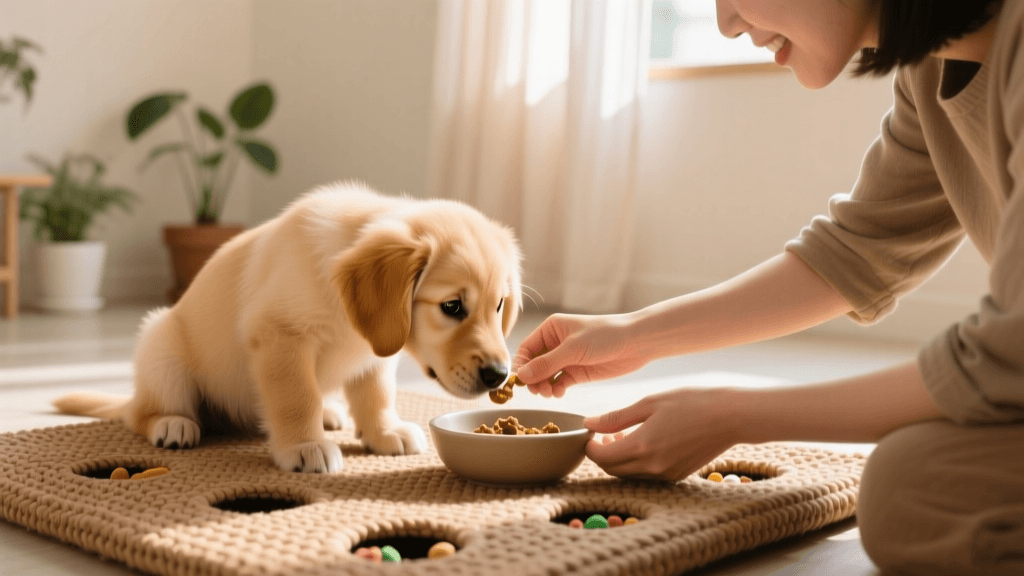
The Pomodoro technique—a time management method that uses a timer to break work into intervals, traditionally 25 minutes in length, separated by short breaks—is a remote worker's best friend when potty training a puppy. Young puppies generally need to eliminate every one to two hours, but during active play or immediately after waking, that window shrinks dramatically. By aligning your work sprints with your puppy's biological needs, you create a predictable routine. After a 45-minute focused work block, use your 10-minute break to take the puppy to their designated potty spot, reward them heavily with high-value treats, and engage in a brief play session before returning to your desk. Consistency is the cornerstone of housetraining, and adhering to the ASPCA's housetraining guidelines will drastically reduce indoor accidents during those crucial first months.
Crate Training for Uninterrupted Zoom Calls
There will inevitably be days when you have back-to-back virtual meetings, and you cannot afford to have a teething puppy chewing on your chair leg or whining for attention. Crate training is not just about keeping your puppy safe; it is about teaching them how to self-soothe and settle down in a home office environment. Introduce the crate early, making it a highly positive space filled with chew-safe toys and a comfortable bed. Feed your puppy their meals inside the crate to build a strong positive association. When you have an important call, place your puppy in the crate with a frozen treat-dispensing toy to keep them occupied and quiet. Following the American Kennel Club's crate training guide ensures that your puppy views their crate as a safe den rather than a punishment, allowing you to work with peace of mind.
Managing Teething During Deep Work Blocks
Between the ages of three and six months, your puppy will begin to lose their baby teeth and grow their adult teeth. This teething phase is notorious for destructive chewing, which can be disastrous in a home office filled with expensive electronics and vital documents. To survive this phase, you must puppy-proof your workspace by utilizing cable management sleeves and elevating your computer towers. More importantly, you must provide appropriate outlets for their chewing urges. Stock your office with a variety of textures, including durable rubber chew toys that can be stuffed with puppy-safe peanut butter and frozen, as well as edible dental chews designed specifically for teething puppies. If your puppy begins to mouth your hands or furniture, redirect them immediately to an approved toy. The AKC's advice on puppy biting and teething emphasizes the importance of this redirection to prevent painful habits from carrying over into adulthood.
Early Socialization for the WFH Puppy
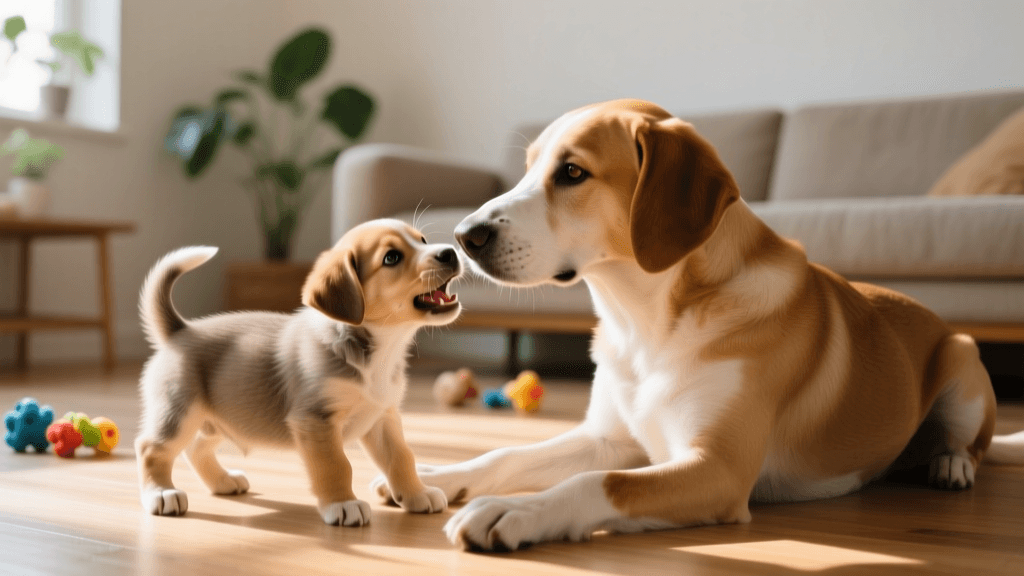
One of the hidden dangers of raising a puppy as a remote worker is the tendency to keep the puppy isolated within the home office bubble. The critical socialization window for puppies occurs between 8 and 16 weeks of age. If your puppy only interacts with you and your immediate family during this time, they may develop fear-based behaviors or reactivity toward strangers, delivery drivers, and novel environments later in life. To combat this, you must proactively schedule socialization outings into your work week. Take your puppy to outdoor cafes during your lunch break, invite fully vaccinated adult dogs over for playdates, and carry your puppy through busy commercial districts to expose them to the sights and sounds of the outside world. A well-socialized puppy is a confident, relaxed adult dog that will not panic when the doorbell rings during your afternoon conference call.
Conclusion
Raising a puppy while working from home in 2026 is a deeply rewarding experience that offers unparalleled bonding opportunities. By selecting an adaptable, low-vocalization breed like the Cavalier King Charles Spaniel, Bichon Frise, or Miniature Poodle, and implementing a structured, Pomodoro-based care schedule, you can successfully navigate the challenges of the first year. With patience, consistency, and the right breed by your side, your home office will become a sanctuary of productivity and companionship.
aaron-whyte
All our authors care for dogs every day — read more of their work on the authors page.