Front-Clip Harness Training: Stop Dog Pulling in 2026
Learn how to stop your dog from pulling using a front-clip harness. Our 2026 step-by-step loose-leash conditioning guide guarantees stress-free walks.
The Biomechanics of Leash Pulling and Neck Safety
Walking a dog that constantly pulls on the leash is not just frustrating; it is a genuine safety hazard for both you and your pet. When a dog pulls against a traditional flat buckle collar, the immense pressure is distributed directly across their delicate trachea and cervical spine. Veterinary professionals have long warned against the use of flat collars for strong pullers due to the high risk of tracheal collapse, especially in brachycephalic breeds and small dogs. According to the ASPCA, transitioning to a harness is the first critical step in protecting your dog's airway while simultaneously addressing behavioral conditioning.
However, not all harnesses are created equal. A standard back-clip harness actually encourages pulling by distributing the weight across the dog's chest and shoulders—the exact anatomy they use to pull sleds. This triggers the "opposition reflex," a natural canine instinct where a dog leans into pressure. To effectively train loose-leash walking in 2026, modern behavioral conditioning relies heavily on the front-clip no-pull harness.
Why Front-Clip Harnesses Lead 2026 Training Protocols
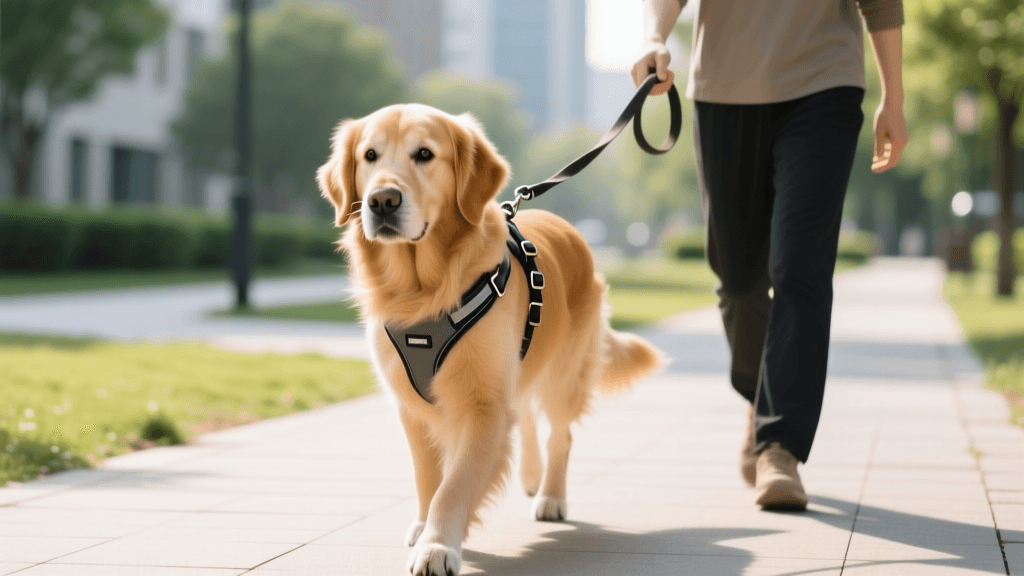
The front-clip harness features a leash attachment ring located on the dog's sternum. When the dog surges forward and hits the end of the leash, the front attachment point gently redirects their momentum sideways, turning them back toward the handler. This biomechanical interruption breaks the opposition reflex without causing pain or requiring harsh leash corrections. It serves as a physical communication tool that says, "Pulling forward results in turning around." When paired with positive reinforcement, the front-clip harness becomes the ultimate training aid for achieving a polite heel.
Selecting the Right Front-Clip Harness in 2026
The market is flooded with walking gear, but certified trainers consistently recommend specific models that offer dual-clip functionality, durable hardware, and escape-proof designs. Here are the top performers for 2026:
1. Rabbitgoo No-Pull Dog Harness
Estimated 2026 Price: $28 - $32
Best For: Budget-conscious owners and medium-sized breeds.
The Rabbitgoo remains a staple due to its four adjustment points and sturdy front O-ring. It features reflective stitching for night walks and a top handle for quick traffic control. While the nylon padding is comfortable, owners of deep-chested breeds like Greyhounds may need to size up to prevent chafing behind the front legs.
2. 2 Hounds Design Freedom No-Pull Harness
Estimated 2026 Price: $42 - $48
Best For: Strong pullers, escape artists, and large breeds.
This premium harness features a Swiss velvet lining on the belly strap to prevent chafing and a unique martingale-style loop on the back that tightens slightly if the dog tries to back out of it. The included dual-attachment leash allows you to clip to both the front and back simultaneously, giving you steering and braking control.
The Fitting Rule: Crucial for Comfort and Control
A poorly fitted front-clip harness will cause chafing and restrict shoulder extension. Always apply the "Two-Finger Rule": you should be able to comfortably slide two fingers flat under any strap on the harness. If the chest plate sits too low, it will impede your dog's gait; if it sits too high, it will press against their throat, negating the safety benefits.
The Step-by-Step Front-Clip Conditioning Protocol
A harness is merely a tool; the actual training requires consistency, timing, and high-value rewards. Follow this progressive conditioning protocol to teach your dog that a loose leash pays dividends.
Phase 1: Indoor Desensitization (Days 1-3)
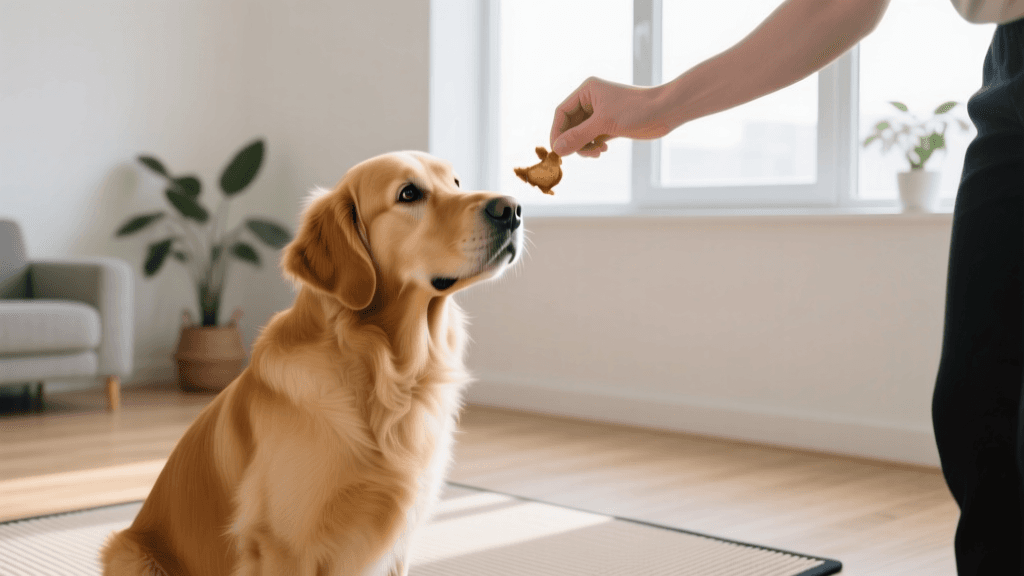
Before hitting the distracting outdoors, your dog must associate the harness with positive outcomes. Step 1: Hold the harness open and lure your dog's head through using a high-value treat. Do not force it over their head. Step 2: Clip the buckles while feeding a continuous stream of treats. Step 3: Leave the harness on for 5 minutes while they eat a meal or play with a puzzle toy indoors. Step 4: Unclip and remove the harness. Repeat this three times a day to build a positive emotional response.
Phase 2: The "Stop and Wait" Method (Days 4-10)
Move to a low-distraction outdoor environment, such as a quiet cul-de-sac or an empty tennis court. Step 1: Attach your leash to the front chest ring. Step 2: Begin walking. The exact millisecond the leash goes taut and you feel tension, stop walking completely. Become a tree. Step 3: Do not yank the leash. Do not scold the dog. Simply wait. Step 4: Eventually, your dog will turn to look at you or take a step backward, creating slack in the leash. The moment the leash forms a "J" shape (slack), mark the behavior with a "Yes!" or a clicker, and deliver a treat right at the seam of your pant leg to keep them in the heel position. Step 5: Resume walking. Repeat this process. A 10-minute walk may take 30 minutes during this phase, but patience is mandatory.
Phase 3: The "Change Direction" Drill (Days 11+)
If your dog is highly distracted and the "Stop and Wait" method is not breaking their focus, introduce the directional change. Step 1: As the dog pulls to the end of the leash, immediately say "Let's go!" and pivot 180 degrees, walking briskly in the opposite direction. Step 2: The front-clip will gently turn the dog's body toward you. Step 3: As the dog catches up to your side, mark the behavior and deliver a treat at your hip. This drill teaches the dog that they must keep one "eye" on you because you might change direction at any moment, fostering engagement rather than environmental fixation.
Equipment Comparison Chart
| Equipment Type | Redirects Pulling? | Trachea Safety | Best For Training Pullers? |
|---|---|---|---|
| Flat Buckle Collar | No | Low | No (Risk of injury) |
| Back-Clip Harness | No | High | No (Encourages pulling) |
| Front-Clip Harness | Yes | High | Yes (Gold standard for 2026) |
| Head Halter | Yes | High | Moderate (Requires heavy acclimation) |
The 2026 Treat Hierarchy for Loose-Leash Success
Training in high-distraction environments requires treats that outweigh the scent of squirrels or other dogs. The Humane Society emphasizes using a hierarchy of rewards based on environmental difficulty.
- Low Distraction (Indoors): Kibble or commercial training biscuits.
- Medium Distraction (Quiet Suburbs): Boiled chicken breast, string cheese, or hot dog slivers.
- High Distraction (Parks, Trails): Freeze-dried minnows, beef liver paste in a squeeze tube, or tripe.
Pro Tip: In 2026, many trainers utilize "snuffle leashes" or treat-scatter mats on the grass as a secondary reward for a successful loose-leash heel, tapping into the dog's natural foraging instincts.
Common Mistakes to Avoid
Even with the best front-clip harness, owners often sabotage their own progress. The most egregious error is using a retractable leash. Retractable leashes teach dogs that pulling is the only way to get more line, completely destroying the "stop and wait" mechanic. Always use a standard 4-to-6-foot leash. Biothane leashes have become the industry standard in 2026 due to their weatherproof nature, easy cleanup, and lack of stretch, which provides clear, immediate communication to the dog.
Another common mistake is inconsistent treat placement. If you deliver treats at the dog's head height or out in front of them, you will inadvertently train them to jump or forge ahead. Always deliver the reward low, directly at the side of your leg where you want the dog's shoulder to be.
Conclusion
Transforming a chronic puller into a polite walking companion does not happen overnight. It requires a reliable front-clip harness, a high-value reward system, and unwavering consistency from the handler. By utilizing the biomechanical advantages of the front-clip and following a structured, positive-reinforcement-based conditioning protocol, you will protect your dog's physical health while building a foundation of trust and communication. For more advanced behavioral conditioning techniques, consult the resources available through the American Kennel Club and always consider working with a certified professional dog trainer (CPDT) if your dog exhibits leash reactivity alongside pulling.
priya-sutaria
All our authors care for dogs every day — read more of their work on the authors page.