Free Dog Training Tips for Beginners: A Complete Guide
Discover essential, free dog training tips for beginners. Learn step-by-step methods for basic commands, potty training, and leash walking to build a strong bond.
Free Dog Training Tips for Beginners: A Complete Guide
Bringing a new dog into your home is one of the most rewarding experiences you can have, but it also comes with a unique set of challenges. Whether you have just adopted a bouncy puppy or an older rescue dog, establishing clear communication is the key to a harmonious household. Many new pet parents believe that raising a well-behaved canine requires expensive classes or professional trainers. Fortunately, with patience, consistency, and the right techniques, you can achieve incredible results right in your living room.
This comprehensive guide provides free dog training tips for beginners, breaking down the psychology of canine learning into actionable, step-by-step instructions. From mastering basic obedience to navigating the hurdles of potty training and leash walking, you will find everything you need to build a foundation of trust and respect with your furry best friend.
The Foundation: Understanding Positive Reinforcement
Before diving into specific commands, it is crucial to understand the philosophy that drives modern, effective dog training: positive reinforcement. This method focuses on rewarding desired behaviors rather than punishing unwanted ones. When a dog is rewarded for doing something right, they are significantly more likely to repeat that behavior in the future.
Step 1: Establish a Marker Word
A marker word is a specific sound or word that tells your dog exactly which action earned them a reward. The most common marker is the word Yes! said in a bright, cheerful tone. Alternatively, you can use a mechanical clicker. The timing of the marker is critical; it must occur the exact second the desired behavior happens, followed immediately by a treat.
Step 2: Create a Treat Hierarchy
Not all rewards are created equal. To keep your dog engaged, establish a treat hierarchy:
- Low-Value Treats: Dry kibble or plain biscuits. Use these in low-distraction environments like your living room.
- Medium-Value Treats: Soft training treats or small pieces of cheese. Ideal for backyard training or quiet neighborhood walks.
- High-Value Treats: Boiled chicken, hot dogs, or freeze-dried liver. Reserve these for high-distraction environments, recall training, or introducing entirely new concepts.
Step 3: Keep Sessions Short & Sweet
Dogs, especially puppies, have short attention spans. Aim for three to five training sessions per day, lasting no more than five to ten minutes each. Ending on a positive note while your dog is still eager to work prevents frustration and burnout.
Step-by-Step Guide to Essential Commands
Teaching basic obedience is not just about party tricks; it is about safety and impulse control. Here is how to train the five foundational commands using free dog training tips for beginners.
1. Teaching 'Sit'
The sit command is often the easiest to teach because it utilizes a dog's natural mechanics. Hold a high-value treat close to your dog's nose. Slowly move your hand upward and slightly backward over their head. As their nose follows the treat, their bottom will naturally lower to the ground. The moment their hindquarters touch the floor, say your marker word (Yes!) and give the treat. Repeat this until the motion is fluid, then introduce the verbal cue Sit just before you move your hand.
2. Teaching 'Down'
Start with your dog in a sitting position. Hold a treat at their nose and slowly lower it straight down to the floor between their front paws. Once their nose reaches the floor, slowly drag the treat outward toward you. As their elbows touch the ground, mark the behavior and reward. If your dog pops up into a stand, simply reset them into a sit and try again with a slower hand motion.
3. Teaching 'Stay'
The stay command requires impulse control. Ask your dog to sit. Hold your hand out like a stop sign and say Stay. Wait just one second, mark, and reward while they are still sitting. Gradually increase the duration before marking. Once they can hold it for ten seconds, begin adding distance by taking a single step back, returning immediately to reward. Remember to master duration, distance, and distraction separately before combining them.
4. Teaching 'Come' (Recall)
A reliable recall can save your dog's life. Start indoors on a long training leash. Say your dog's name followed by Come! in an enthusiastic voice. Gently guide them toward you with the leash if necessary. When they reach you, throw a reward party with high-value treats and praise. Never use the come command to call your dog for something they perceive as negative, such as a bath or nail trimming, as this will poison the cue.
5. Teaching 'Leave It'
Place a low-value treat on the floor and cover it with your hand. Your dog will likely sniff, lick, or paw at your hand. Wait in silence. The exact moment they pull their nose away or look up at you, mark the behavior and reward them with a different, higher-value treat from your other hand. This teaches them that ignoring the forbidden item yields a better reward.
Mastering Potty Training & Crate Habits
Housebreaking is often the most stressful part of bringing a new dog home. However, by managing their environment and establishing a strict routine, you can prevent accidents before they happen. For a deeper dive into making the crate a haven, check out our guide on crate training basics.
Step-by-Step Potty Training
- Establish a Schedule: Take your dog outside first thing in the morning, after every meal, after naps, after play sessions, and right before bed. Puppies generally need to eliminate every hour for every month of age.
- Supervise Constantly: When inside, your dog should be in the same room as you, tethered to your waist with a leash if necessary. This prevents them from wandering off to have a hidden accident.
- Use a Cue Word: As your dog begins to eliminate outside, say a specific phrase like Go potty. Over time, they will associate the phrase with the action, allowing you to prompt them on command during bad weather or travel.
- Reward Heavily: Immediately after they finish outside, offer a high-value treat and enthusiastic praise. Do not wait until you are back inside, or you will accidentally reward them for coming through the door rather than eliminating outside.
Creating a Positive Crate Association
A crate is not a punishment; it is a den. To build a positive association, feed all meals inside the crate with the door open. Toss high-value treats into the back of the crate and let your dog retrieve them. Provide durable chew toys that are only available when they are crated. If your dog whines, ensure their physical needs are met before ignoring the vocalizations, as letting them out while crying reinforces the behavior.
Leash Walking & Early Socialization
Walking should be a relaxing bonding experience, not a tug-of-war. Furthermore, exposing your dog to the world safely is critical for their long-term confidence. If you are working with a young puppy, our puppy socialization guide is an essential companion to this section.
Step-by-Step Loose Leash Walking
- Choose the Right Equipment: A front-clip harness is highly recommended for beginners, as it gently redirects the dog's momentum back toward you when they pull.
- The 'Be a Tree' Method: The moment the leash goes tight, stop walking completely. Stand still like a tree. Do not yank the leash or yell. Wait for your dog to look back at you or take a step back to create slack.
- Reward the Slack: The second the leash forms a 'J' shape (indicating slack), mark the behavior, reward near your leg, and resume walking.
- Change Direction: If your dog continuously pulls ahead, abruptly turn 180 degrees and walk the other way. When they catch up to you, reward. This teaches them that pulling actually moves them further away from their goal.
For more advanced techniques, be sure to explore our leash training masterclass.
Safe Socialization Practices
Socialization is not just about meeting other dogs; it is about exposing your dog to novel surfaces, sounds, sights, and people in a positive way. Breeds that are naturally protective, such as the German Shepherd, require careful, positive exposure to strangers to prevent fear-based reactivity. Conversely, highly social breeds like the Golden Retriever may need training to learn polite greetings rather than jumping on everyone they meet. Always let your dog observe new stimuli from a distance where they feel comfortable, rewarding them for calm behavior.
Pro Tips & Common Beginner Mistakes
Even with the best intentions, new handlers often fall into traps that hinder progress. Avoiding these common mistakes will accelerate your training journey.
Pro Tips for Success
- Train Before Meals: A slightly hungry dog is a motivated dog. Schedule your training sessions right before breakfast or dinner.
- Use the 'Nothing in Life is Free' Protocol: Ask your dog to sit or down before they get their food bowl, before you open the door for a walk, and before you throw their favorite toy. This builds impulse control and reinforces your leadership.
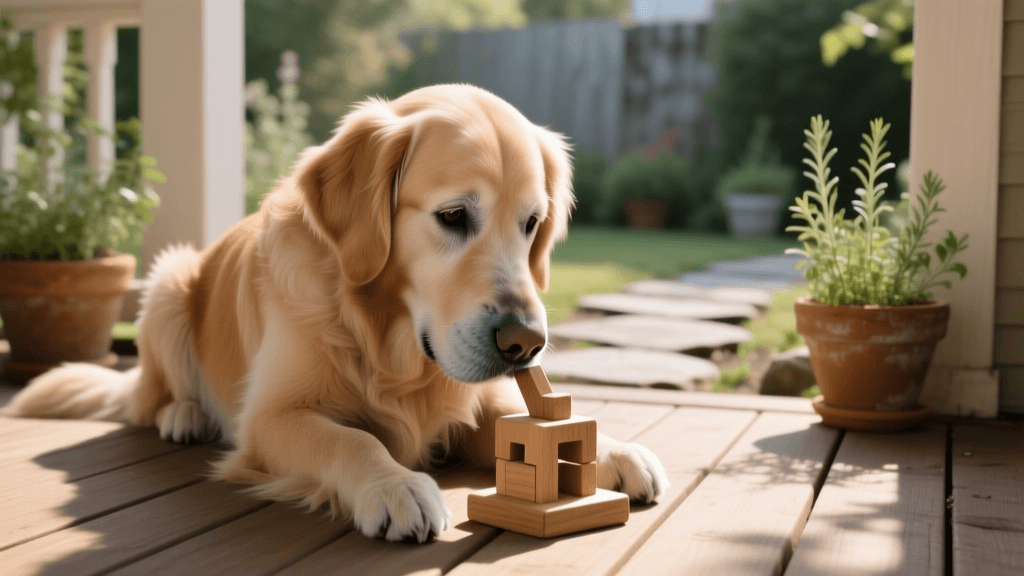
- Mental Enrichment: Physical exercise is not enough, especially for working breeds like the Border Collie. Use puzzle toys, snuffle mats, and scent games to tire out their brain.
Common Mistakes to Avoid
- Repeating the Cue: Saying Sit, sit, sit, sit teaches your dog that the command is actually the word 'sitsitsitsit' and that they do not need to listen the first time. Say the cue once, wait five seconds, and if they do not comply, reset them and try again.
- Inconsistency Among Family Members: If one person allows the dog on the couch and another scolds them, the dog will become confused and anxious. Establish strict house rules that everyone follows.
- Punishing After the Fact: If you find a chewed-up shoe an hour after the deed is done, your dog cannot connect your anger to the shoe. They will only learn that you are unpredictable and scary when you come home. Manage the environment by putting shoes in closets instead.
- Ignoring Unwanted Behavior: While ignoring attention-seeking behavior (like whining) works, you cannot ignore destructive behavior or resource guarding. If your dog exhibits severe behavioral issues, consult a certified behaviorist. For minor mouthing issues, read our guide on how to stop dog biting and nipping.
Frequently Asked Questions
How long should daily training sessions last?
For beginners and puppies, sessions should last between five and ten minutes. Dogs learn best in short, focused bursts. It is far more effective to do three five-minute sessions throughout the day than one grueling fifteen-minute session that leaves both you and your dog frustrated.
What should I do if my dog ignores the 'come' command?
If your dog ignores the recall cue, do not chase them, as they may view it as a game of tag. Instead, run in the opposite direction while making high-pitched, exciting noises. Dogs are naturally inclined to chase fleeing objects. Once they catch up to you, reward them heavily. If they consistently fail outdoors, return to practicing on a long line in a fenced area until the behavior is reliable.
Is it too late to train an older rescue dog?
The old adage that 'you cannot teach an old dog new tricks' is entirely false. Older rescue dogs often have longer attention spans than puppies and can learn quickly using positive reinforcement. The main difference is that you may need to spend extra time unlearning ingrained bad habits and building trust, especially if the dog has a history of trauma or neglect.
How do I phase out treats once a behavior is learned?
Once your dog performs a command reliably in a low-distraction environment, begin transitioning to a variable ratio schedule of reinforcement. Instead of treating every single sit, reward the fastest sits, or ask for two commands before giving a treat. Gradually replace food rewards with life rewards, such as throwing a ball or opening the door to the yard, while still offering verbal praise.
Why does my dog obey at home but not outside?
This is a classic issue of failing to generalize behaviors. Dogs are highly contextual learners; they might think sit only means 'lower your hips in the kitchen.' To fix this, you must practice commands in various locations: the living room, the bedroom, the backyard, the front yard, and eventually the park. Remember to increase the value of your treats as the environmental distractions increase.
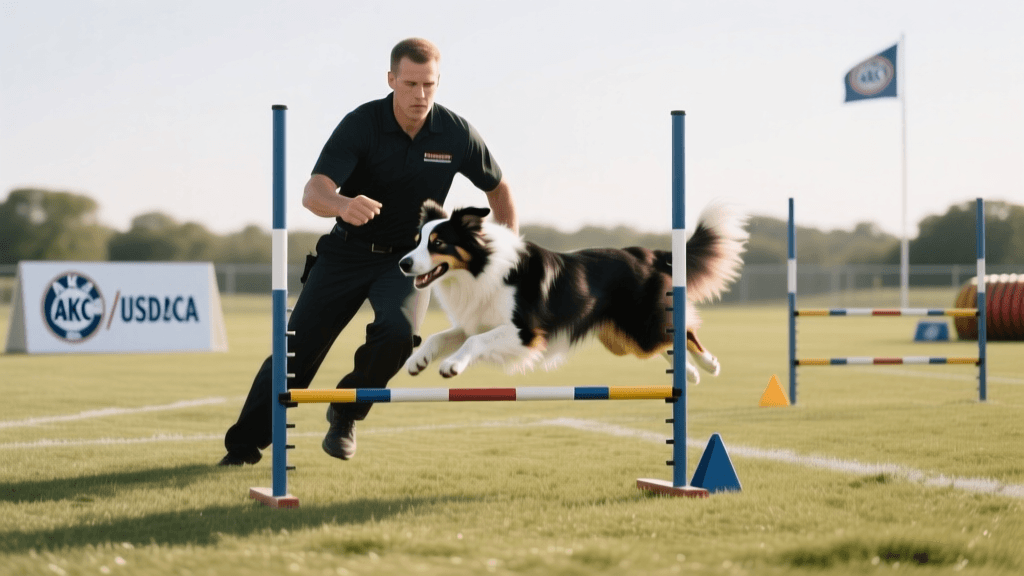
Training your dog is a lifelong journey that deepens the bond between human and canine. By utilizing these free dog training tips for beginners, maintaining a positive attitude, and celebrating the small victories, you will cultivate a well-mannered, happy, and confident companion for years to come. For more advanced activities to enjoy with your trained pup, consider looking into agility for beginners to challenge their mind and body!
Paws&Tales
All our authors care for dogs every day — read more of their work on the authors page.