Force-Free New Dog Setup: 2026 Positive Reinforcement Guide
Discover how to set up a force-free safe space and use positive reinforcement to help your new rescue dog decompress and thrive in their new home.
The 2026 Standard: Why Force-Free is the Only Way
Bringing a new dog into your home is a monumental life event, but the transition can be incredibly overwhelming for the animal. As we navigate 2026, the veterinary and behavioral consensus has firmly shifted away from outdated dominance-based theories and aversive tools. Today, the gold standard for canine behavioral health is rooted entirely in positive reinforcement and force-free methodologies. According to the American Veterinary Society of Animal Behavior (AVSAB), reward-based training is not only more effective but also critical for safeguarding the human-animal bond and preventing fear-based behavioral fallout.
When you adopt a dog, especially a rescue with an unknown history, your primary goal for the first few weeks is not strict obedience. Instead, your focus must be on decompression, building trust, and creating a safe environment where your new companion can make choices without fear of punishment. This guide will walk you through setting up a force-free sanctuary, selecting the right modern gear, and implementing a positive reinforcement protocol that sets your new dog up for lifelong success.
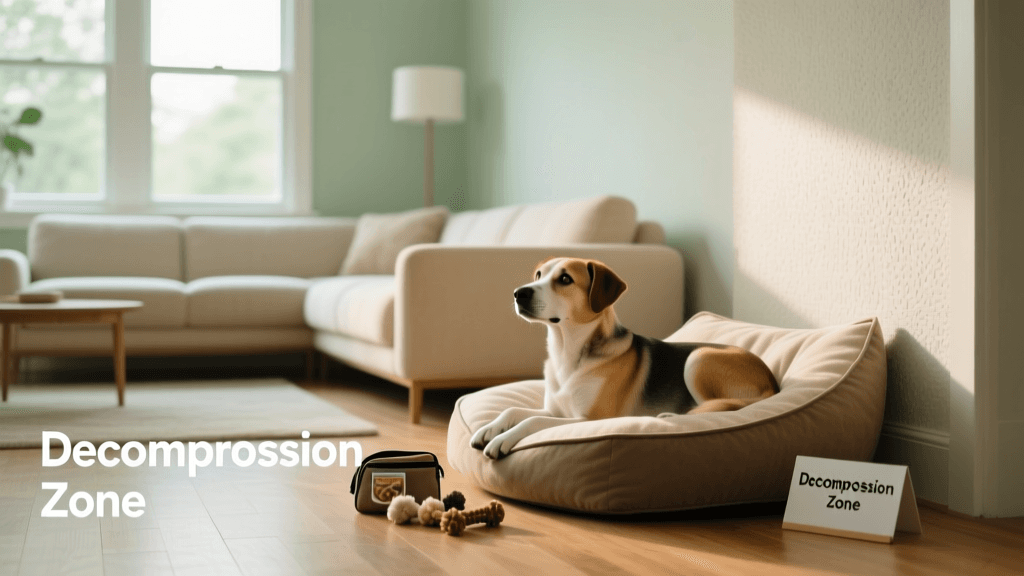
Designing the Ultimate Force-Free Decompression Zone
A common mistake new owners make is forcing a dog into a closed crate in a busy living room, expecting them to instantly relax. In 2026, certified behaviorists advocate for 'agency-based' safe spaces. This means providing a designated area where the dog can retreat, observe, and choose to engage or disengage with the household.
The Playpen Alternative
Instead of a closed crate, set up a sturdy metal or heavy-duty plastic exercise pen (playpen) in a quiet corner of your home. Line the floor with a washable, orthopedic bed. Drape a breathable blanket over one side of the pen to create a visual barrier, which reduces environmental stressors and helps the dog feel hidden and secure. This setup allows the dog to stand, stretch, and move away from the household hustle while remaining safely contained.
Sensory Decompression Tools
To actively lower your dog's cortisol levels, incorporate sensory enrichment that encourages natural foraging behaviors. Licking and chewing release endorphins and dopamine in the canine brain. The Fear Free Pets organization heavily recommends passive enrichment for anxious or transitioning animals.
- West Paw Toppl ($25-$30): This interlocking puzzle toy is perfect for stuffing with plain Greek yogurt, pumpkin puree, and kibble. Freeze it overnight to provide 30-45 minutes of soothing, force-free mental stimulation.
- Snuffle Mats ($20-$35): Scatter your dog's daily meal ration into a high-quality fleece snuffle mat. This taps into their olfactory senses, tiring them out mentally without the physical strain of a long walk, which can be overstimulating for a newly adopted dog.
- White Noise Machines ($15-$25): A simple white noise machine or a fan placed near the safe space can mask sudden household sounds, doorbells, or outdoor traffic that might trigger a startle response.
Essential Positive Reinforcement Gear for Your First Month
The tools you use communicate your training philosophy to your dog. Aversive tools like slip leads, prong collars, or electronic shock collars suppress behavior through pain and fear, often leading to severe aggression or shutdown. To build a confident dog, equip yourself with the following force-free essentials:
1. The Front-Clip Harness
For leash walking, a front-clip harness is non-negotiable for a new dog. The ASPCA recommends harnesses over collars to prevent tracheal damage, especially for dogs that have not yet learned loose-leash walking. The Ruffwear Front Range Harness (retailing around $45 in 2026) features a sturdy front chest ring. When the dog pulls, the front clip gently redirects their momentum back toward you, removing the physical reinforcement of pulling forward without causing any pain or choking.
2. High-Capacity Treat Pouch
Positive reinforcement requires impeccable timing and a high rate of reinforcement in the early days. The Doggone Good Rapid Rewards Pouch ($25) features a magnetic closure that allows you to access high-value treats (like boiled chicken, string cheese, or freeze-dried liver) in a fraction of a second, ensuring the dog correctly associates the reward with the desired behavior.
3. The Clicker or Marker Word
A Starmark Pro-Training Clicker ($5) or a consistent verbal marker like 'Yes!' acts as a bridge, telling the dog exactly which micro-behavior earned the reward. This clarity accelerates learning and reduces frustration for both the dog and the handler.
The Force-Free 3-3-3 Decompression Timeline
Understanding the 3-3-3 rule is vital for managing your expectations and maintaining a force-free environment.
The First 3 Days: Overwhelm and Observation
Your dog may sleep excessively, refuse food, or test boundaries. Do not force interactions, invite guests over, or demand obedience. Focus entirely on passive enrichment, establishing a predictable feeding schedule, and letting the dog approach you on their terms.
The First 3 Weeks: Settling and Routine
The dog begins to learn your routines and feel more secure. This is the time to introduce choice-based training. Start 'Capturing Calmness'—simply click and toss a treat to their bed whenever they choose to lie down quietly. You are reinforcing the choice to settle without ever giving a command.
The First 3 Months: Bonding and Expansion
Trust is established, and the dog's true personality emerges. You can now safely expand their world, introduce cooperative care routines, and begin structured positive reinforcement classes.
Tool Comparison: Force-Free vs. Outdated Aversive Methods
To truly embrace a positive reinforcement lifestyle, it is important to understand why modern science has abandoned aversives. Below is a comparison of outdated methods versus their 2026 force-free alternatives.
| Training Goal | Outdated Aversive Tool | 2026 Force-Free Alternative | Why the Alternative Works |
|---|---|---|---|
| Loose Leash Walking | Prong or Slip Collar | Front-Clip Harness & Treat Magnet | Redirects momentum safely and rewards the dog for staying near the handler's leg. |
| Recall (Coming When Called) | Shock/E-Collar | High-Value Reward & Whistle | Builds a positive emotional response and a reliable history of reinforcement for returning. |
| Separation Anxiety | Static Bark Collar | Desensitization & Calming Pheromones | Addresses the root panic and underlying emotional state rather than suppressing the symptom. |
| Resource Guarding | Alpha Rolls / Punishment | Trading Up & Desensitization | Teaches the dog that human proximity to their valuables predicts something even better. |
Building Trust Through Choice and Consent
The cornerstone of force-free dog ownership is consent. In 2026, ethical handlers routinely use the 'Petting Consent Test' to ensure the dog actually enjoys physical affection. To perform this test, gently pet the dog on the chest or shoulder for three seconds, then completely withdraw your hand and observe. If the dog leans in, nudges your hand, or paw at you, they are consenting to more interaction. If they look away, lick their lips, yawn, or move away, they are asking for space. Respecting these subtle canine communication signals builds profound trust and prevents defensive bites.
Additionally, consider introducing the 'Bucket Game' for cooperative care. Instead of physically restraining your dog to wipe their paws or trim their nails, you teach them to rest their chin on a target (like a small bucket or yoga block). As long as their chin remains on the target, the grooming happens and treats are delivered. If the dog lifts their head, the grooming immediately stops. This gives the dog complete agency over their own body, transforming terrifying veterinary and grooming procedures into a positive, force-free game.
Final Thoughts on Your Force-Free Journey
Choosing positive reinforcement and force-free methods is not about 'spoiling' your dog; it is about applying modern behavioral science to build a resilient, confident, and deeply bonded companion. By setting up a decompression-friendly safe space, utilizing humane gear, and respecting your dog's emotional timeline, you are laying the foundation for a beautiful, trust-based relationship that will thrive for years to come.
priya-sutaria
All our authors care for dogs every day — read more of their work on the authors page.