Force-Free Puppy Crate Training: Top 2026 Smart Tools
Discover force-free puppy crate training methods for 2026. Learn how heartbeat toys and smart treat cameras build positive associations without stress.
The 2026 Shift: Why Force-Free is the Gold Standard
Welcome to 2026, where the veterinary and canine behavior communities have overwhelmingly solidified force-free, positive reinforcement methods as the absolute gold standard for puppy care. Gone are the days of outdated, dominance-based theories that advocated for 'crying it out' or using the crate as a time-out zone. Today, we understand that a puppy's crate should be a sanctuary, not a prison. Force-free crate training relies on classical and operant conditioning to build a deep, emotional love for the crate, ensuring your puppy feels secure whether you are in the next room or out of the house.
According to the ASPCA's official crate training guidelines, taking advantage of a dog's natural denning instinct through positive association prevents separation anxiety and promotes healthy independence. By leveraging the latest 2026 smart pet technology and biologically soothing tools, we can make this transition entirely stress-free for both the puppy and the owner.
Essential 2026 Tools for Positive Crate Associations
To successfully implement a force-free protocol, you need the right environmental and technological aids. Here are the top tools recommended by certified force-free trainers this year:
1. Biometric Heartbeat Toys (The Snuggle Puppy)
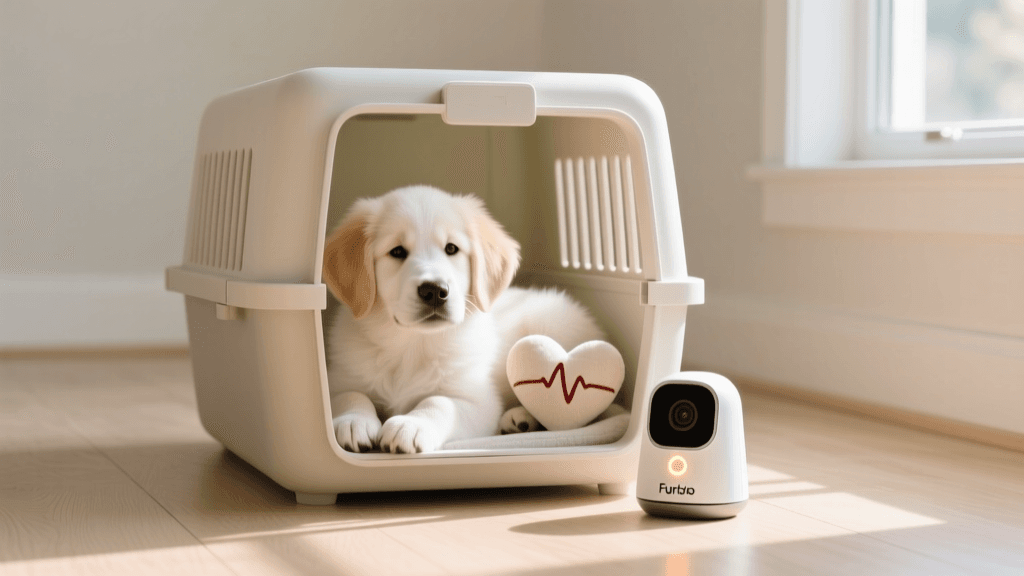
For young puppies missing their littermates, the silence of a solitary crate can trigger panic. The Snuggle Puppy remains the industry leader in 2026. It features a mechanical, pulsing heartbeat and a reusable heat pack that mimic the physical sensations of sleeping against a mother. This provides profound neurological soothing, drastically reducing nighttime whining without human intervention.
2. Smart Treat-Tossing Cameras
Smart cameras have evolved significantly. The 2026 models of pet cameras now feature AI-driven 'calmness detection,' which automatically tosses a treat when the puppy lies down quietly in their crate. This allows you to reinforce 'capturing calmness' even when you are not physically in the room.
3. Frozen Enrichment Feeders
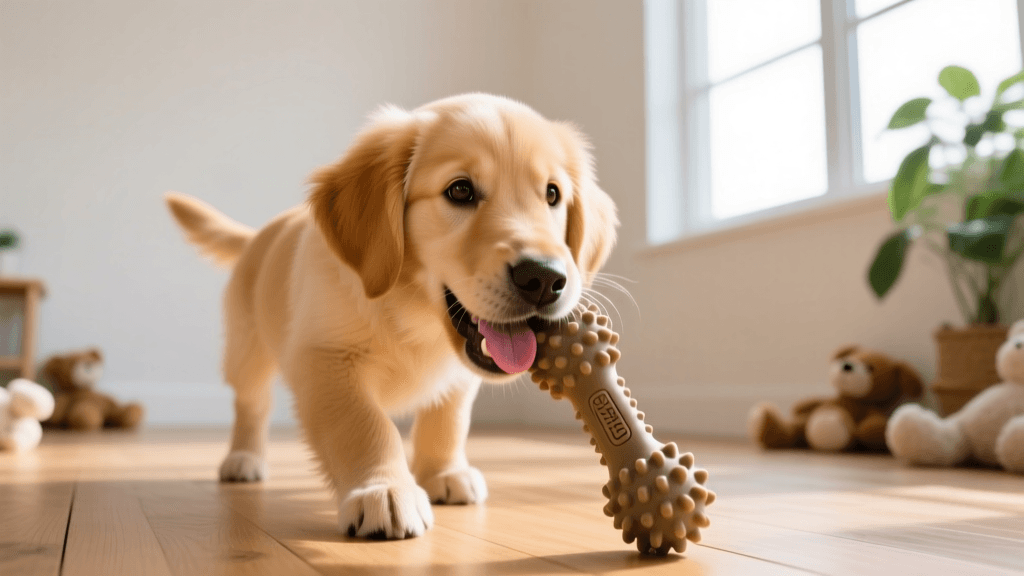
Long-lasting, force-free chews are essential. Silicone lick mats frozen with a mixture of plain pumpkin puree, goat's milk, and kibble, or natural yak cheese chews, keep a puppy's brain engaged. Chewing and licking release endorphins, which naturally lower a puppy's heart rate and promote relaxation.
2026 Smart Pet Camera Comparison for Crate Training
Choosing the right camera is critical for remote positive reinforcement. Below is a comparison of the top smart treat-dispensing cameras available in 2026, specifically evaluated for crate training utility.
| Brand & Model (2026) | Treat Tossing | AI Calm Detection | Night Vision | Est. Price | Best For |
|---|---|---|---|---|---|
| Furbo 360 Pro | Yes (Adjustable) | Yes | Color HD | $219 | Working professionals needing full room coverage |
| Eufy Pet D605 | Yes (Dual Bin) | No (Bark Alerts) | Infrared HD | $149 | Budget-conscious owners wanting dual treat options |
| Petcube Bites 3 | Yes (Laser + Treat) | Yes | Color HD | $189 | High-energy puppies needing laser play before resting |
The 5-Step Force-Free Crate Training Protocol
Follow this progressive protocol to build a bulletproof positive association with the crate. Never rush the steps; let your puppy's comfort level dictate the pace.
Step 1: The Open-Door Buffet
Start with the crate door completely removed or tied open. Place high-value treats, favorite toys, and meals deep inside the crate. The goal is for the puppy to realize that the best things in the world happen inside this space. Do not close the door during this phase. The Humane Society recommends feeding all meals in the crate to establish a strong, positive routine from day one.
Step 2: Capturing Calmness
Once the puppy happily enters the crate, begin 'capturing calmness.' When the puppy voluntarily walks into the crate and lies down, calmly drop a few high-value treats between their paws. Do not use excited praise, which might cause them to jump up. We want to reward relaxation and low arousal levels.
Step 3: The Door Closure Drill
With the puppy inside eating a frozen lick mat or a long-lasting chew, gently close the door. Do not latch it yet. Sit right next to the crate. The moment they finish their chew, open the door before they have a chance to fuss. Gradually increase the time the door is closed while you remain seated nearby, continuing to drop treats through the bars for quiet behavior.
Step 4: Distance and Duration
Begin to latch the door and step away. Use your 2026 smart camera to monitor your puppy. If you are using an AI-enabled camera like the Furbo 360 Pro, set it to automatically dispense a treat every few minutes the puppy remains in a relaxed, down position. If the puppy stands and paces, return to the crate before they whine, ask for a 'sit' or 'down,' reward, and step away again. This teaches them that calm behavior makes you return.
Step 5: Nighttime Integration
Nighttime is often the hardest hurdle. Place the crate in your bedroom initially so the puppy does not feel isolated. Use the Snuggle Puppy with a fresh heat pack tucked securely in the back of the crate. Cover the top and sides of the crate with a breathable blanket to create a dark, den-like atmosphere, which stimulates natural melatonin production.
Troubleshooting Nighttime Whining Without 'Cry It Out'
The outdated 'cry it out' method is strongly discouraged by modern behaviorists. Ignoring a terrified puppy can lead to learned helplessness and severe separation anxiety later in life. If your puppy whines at night, you must determine the root cause using a force-free checklist:
- Is it a potty emergency? An 8-week-old puppy can only hold their bladder for about 2 to 3 hours. If they whine after this window, calmly leash them, carry them outside, reward them for eliminating, and return them to the crate with zero play or excitement.
- Are they overstimulated? If the puppy had a highly active evening, they may be experiencing the canine equivalent of a toddler's tantrum. A frozen chew or a snuffle mat in the crate can help them decompress.
- Are they lonely? Ensure the heartbeat toy is active and positioned near their head. If the whining persists, move the crate closer to your bed so they can hear and smell you.
A Force-Free Nighttime Potty Schedule
Preventing accidents in the crate is vital, as puppies naturally avoid soiling their sleeping area. Forcing a puppy to sit in their own waste destroys the positive association you have worked so hard to build. For an 8-to-12-week-old puppy in 2026, follow this strict nighttime schedule:
- 10:00 PM: Final meal and water offered. (Remove water 2 hours before bed).
- 11:00 PM: Active play session to burn off residual energy, followed by a calm decompression period.
- 11:30 PM: Final potty trip outside. Reward heavily for elimination.
- 11:45 PM: Puppy into the crate with Snuggle Puppy and lights out.
- 2:30 AM: Set an alarm. Wake the puppy up *before* they whine. Carry them outside for a boring, business-only potty trip.
- 5:30 AM: Second alarm for another quiet potty trip.
- 7:00 AM: Wake up, immediate potty trip, followed by breakfast and morning training.
Conclusion
Force-free puppy crate training in 2026 is a beautiful blend of empathetic behavioral science and advanced smart home technology. By utilizing biometric soothing tools like the Snuggle Puppy, engaging their brains with frozen enrichment, and reinforcing calm behavior via AI-driven smart cameras, you are setting your puppy up for a lifetime of confidence and security. Remember that patience is your most valuable tool. As noted by the American Kennel Club's training experts, consistency and positive associations will transform the crate from a scary metal box into your puppy's favorite place in the world.
beth-carrasco
All our authors care for dogs every day — read more of their work on the authors page.