Flying With Your Dog: Top Google Questions Answered
Answering Google's most-asked questions about flying with dogs. Learn cabin vs. cargo rules, costs, carrier sizes, and expert tips for stress-free travel.
Millions of pet owners search Google every month for answers about flying with their furry best friends. Whether you are planning a cross-country move, a summer vacation, or relocating internationally, navigating airline policies can feel like a full-time job. To save you hours of scrolling through forums and outdated blog posts, we’ve compiled the definitive guide to the most-asked Google questions about flying with a dog. From cabin dimensions to cargo safety, here is everything you need to know before heading to the airport.
Can My Dog Fly in the Cabin With Me?
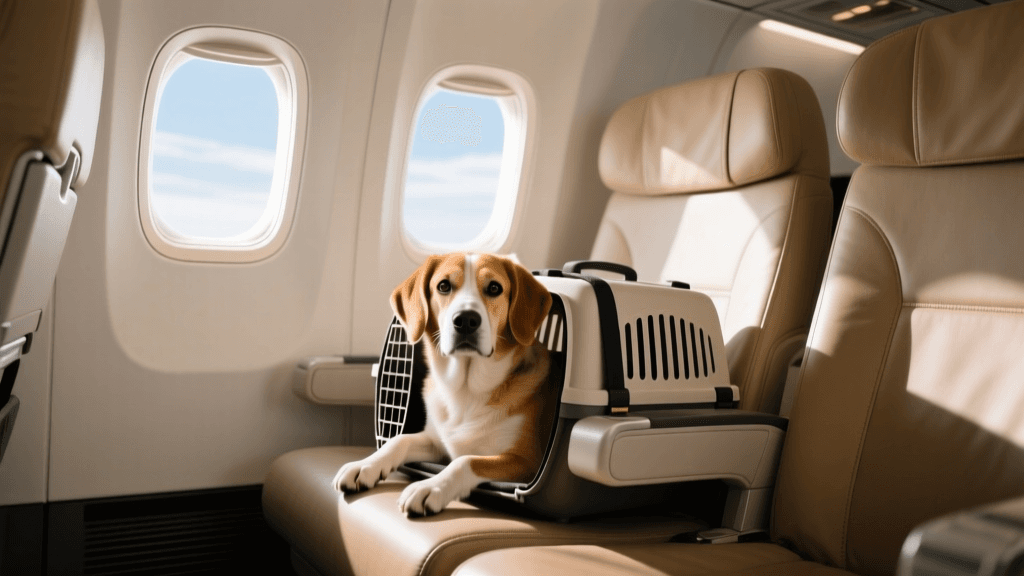
The most common question on Google is whether a dog can ride in the passenger cabin. The short answer is yes, but with strict size and weight limitations. Most major U.S. airlines require that your dog and their carrier combined weigh no more than 20 pounds. Furthermore, the carrier must fit completely under the seat in front of you.
Cabin Carrier Dimensions and Product Recommendations
While dimensions vary slightly by airline and aircraft type, the general maximum size for a soft-sided pet carrier is 18 inches long x 11 inches wide x 11 inches high. Soft-sided carriers are preferred because they can compress slightly to fit under varying seat heights.
- Top Pick: The Sherpa Original Deluxe Carrier (Medium size: 17" x 11" x 10.5") is widely approved by major airlines including Delta, American, and United.
- Expandable Option: The PetsFit Expandable Pet Carrier offers a side mesh expansion, giving your dog extra room to stretch out once you reach your destination, while still complying with under-seat rules during takeoff and landing.
Pro Tip: Always call the airline to book your pet's ticket at the same time you book your own. Airlines cap the number of pets allowed in the cabin per flight (usually between two and six), and these spots fill up quickly.
How Much Does It Cost to Fly a Dog?
Pet travel fees are rarely included in your standard ticket price. You will need to pay a separate pet fee, which is typically collected at the check-in counter or via the airline's app prior to arrival. Below is a comparison chart of standard one-way pet fees for major U.S. airlines.
| Airline | Cabin Fee (One-Way) | Cargo/Checked Pet Availability | Booking Requirement |
|---|---|---|---|
| Delta Air Lines | $150 | Cargo only (via Delta Cargo) | Must call to reserve |
| United Airlines | $125 | Cargo only (via PetSafe) | Can add via app or call |
| American Airlines | $150 | Cargo only (via AA Cargo) | Must call to reserve |
| Southwest Airlines | $125 | Not available (Cabin only) | Can add via website or call |
| Alaska Airlines | $100 | Checked baggage & Cargo | Can add via website or call |
Note: Cargo fees are not flat rates. They are calculated based on the combined weight of the pet and the kennel, as well as the dimensions of the crate. Expect to pay anywhere from $200 to over $1,000 for cargo travel depending on the size of your dog and the distance of the flight.
Is It Safe to Fly a Dog in Cargo?
If your dog is over 20 pounds or too tall to fit under an airplane seat, they must travel via the cargo hold. This leads to one of Google's most anxious searches: Is cargo safe for dogs? The cargo hold on modern commercial aircraft is pressurized and temperature-controlled, much like the passenger cabin. However, the primary risks occur on the tarmac during loading and unloading.
Temperature Embargoes and IATA Crate Rules
To protect animals from extreme weather, most airlines enforce seasonal temperature embargoes. They will not accept pets as cargo if the forecasted temperature at the departure, arrival, or layover airports is below 45°F (7°C) or above 85°F (29°C).
When flying in cargo, your dog must be secured in an IATA-compliant hard-sided kennel. The International Air Transport Association (IATA) mandates specific construction standards for live animal transport:
- Material: Rigid plastic, fiberglass, or metal. Collapsible crates and wire crates are strictly prohibited.
- Hardware: Metal nuts and bolts are required to secure the top and bottom halves. Plastic clips are not permitted.
- Ventilation: Ventilation must be present on at least three sides for domestic flights, and four sides for international flights.
- Size: The dog must be able to stand up without touching the top of the crate, turn around comfortably, and lie down in a natural position.
- No Wheels: Wheels must be removed or securely taped over to prevent the crate from rolling during turbulence.
Should I Sedate My Dog for the Flight?
Many well-meaning owners search for the best sedatives to keep their dogs calm during a flight. However, veterinary and aviation experts strongly advise against sedating dogs for air travel. The American Veterinary Medical Association (AVMA) and IATA both warn that sedatives can suppress a dog's respiratory and cardiovascular systems. At high altitudes, even in pressurized cabins, the altered atmospheric pressure can exacerbate these effects, leading to dangerous drops in blood pressure or breathing complications.
"Tranquilizers can affect an animal's balance and increase the risk of injury during turbulence. Furthermore, a sedated animal may not be able to regulate its body temperature effectively." - USDA APHIS Pet Travel Guidelines
Safe Alternatives to Sedation
Instead of pharmaceutical sedatives, consider these actionable, vet-approved alternatives:
- Adaptil Calming Spray: Spray this synthetic dog-appeasing pheromone on your dog's travel blanket or inside the carrier 15 minutes before loading them. It costs around $15 and provides a non-drowsy sense of security.
- Zylkene or Solliquin: These are natural, over-the-counter calming supplements derived from milk proteins or herbal blends. Consult your vet to start administering them 3 to 5 days before the flight to build up efficacy.
- Desensitization Training: Spend 4 to 6 weeks prior to the flight leaving the carrier open in your living room, feeding high-value treats (like freeze-dried chicken) inside it, and taking short car rides to mimic the motion and white noise of an airplane.
What Documents Do I Need to Fly With a Dog?
Documentation requirements depend heavily on whether you are flying domestically or internationally. For domestic flights within the United States, most airlines simply require a valid rabies vaccination certificate and a recent veterinary health certificate (usually issued within 10 days of travel).
International travel is vastly more complex. You must consult the USDA APHIS Pet Travel Website to find the specific entry requirements for your destination country. Many countries require:
- USDA-Endorsed Health Certificate: Your vet must fill out an international health certificate (often APHIS Form 7001), which must then be physically stamped and signed by a USDA state veterinarian.
- Microchip: An ISO-compliant 15-digit microchip implanted before the rabies vaccination is administered.
- Rabies Titer Test: Countries like Japan, Australia, and the UK require an OIE-FAVN rabies antibody blood test drawn at least 3 to 6 months prior to entry.
Additionally, if you are returning to the U.S. from a high-risk rabies country, you must comply with the strict CDC Dog Import Regulations, which require advance CDC Dog Import Form receipts and proof of a valid rabies titer test.
Day-of Travel: Feeding, Walking, and Airport Prep
How you handle the morning of your flight can make or break the experience. Google searches for "when to feed dog before flight" peak right before holiday weekends. Here is the ideal timeline:
- 6 to 8 Hours Before Departure: Feed your dog a light, easily digestible meal (such as boiled chicken and white rice). This prevents an empty stomach, which can cause nausea and bilious vomiting, while ensuring they have time to eliminate before boarding.
- 2 to 4 Hours Before Departure: Offer small amounts of water. You can freeze water in a small dish inside the cargo crate so it melts slowly and provides hydration without causing spills or a full bladder.
- 1 Hour Before Security: Locate the airport's designated Pet Relief Area. Most major airports now have indoor, post-security pet relief rooms equipped with artificial turf and fire hydrants. Check your airport's terminal map in advance so you aren't scrambling to find an outdoor grassy patch after clearing TSA.
- At TSA Security: If your dog is in the cabin, you will need to take them out of their carrier and carry them through the metal detector while the empty carrier goes through the X-ray belt. Use a secure, non-retractable nylon leash and a well-fitted harness to prevent escape attempts in the busy terminal.
Final Thoughts on Air Travel With Dogs
Flying with your dog requires meticulous planning, from measuring your under-seat clearance to securing the right IATA-compliant hardware for cargo travel. By understanding the rules, avoiding dangerous sedatives, and preparing your dog with positive reinforcement, you can transform a stressful journey into a manageable adventure. Always verify your specific airline's policies 48 hours before your trip, as rules and embargoes can change with the seasons. Safe travels to you and your four-legged co-pilot!
jonas-cole
All our authors care for dogs every day — read more of their work on the authors page.