Google's Top Questions on Road Trips With Dogs Answered
Planning a road trip with your dog? We answer Google's most-asked questions about car safety, rest stops, packing, and keeping your pup happy on the road.
The Ultimate Guide to Canine Car Travel
According to a comprehensive survey by AAA and the Kurgo pet brand, over 80% of pet owners travel with their dogs in the car. However, the same study revealed a startling statistic: a vast majority of these owners do not use proper safety restraints. As more families treat their dogs as true co-pilots, search engines are flooded with queries about canine car travel. At Paws-Tales, we have analyzed Google's 'People Also Ask' data to bring you the ultimate, science-backed guide to road-tripping with your dog. Whether you are driving across the state or across the country, these answers will keep your furry friend safe, comfortable, and happy.
1. Where Is the Safest Place for a Dog in a Car?
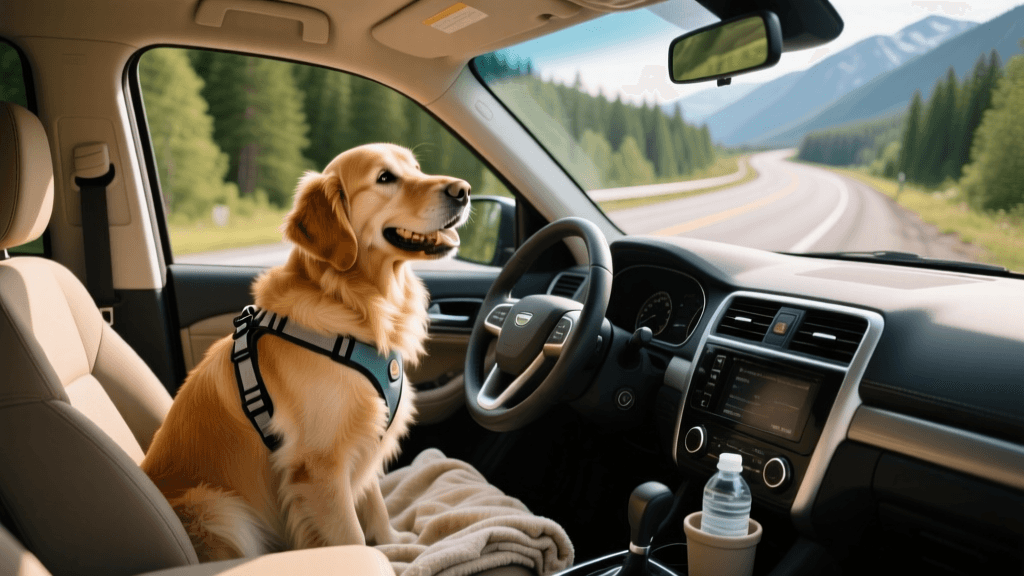
The short answer is the back seat, properly restrained. The front passenger seat is incredibly dangerous due to airbag deployment, which can be fatal to a dog. But simply putting your dog in the back seat is not enough; an unrestrained 50-pound dog becomes a 2,500-pound projectile in a crash at just 30 mph. The Center for Pet Safety (CPS) is a non-profit organization that conducts rigorous crash testing on pet travel products. They recommend using either a CPS-certified crash-tested harness or a secured, crash-tested travel crate.
For harnesses, the Sleepypod Clickit Sport (approx. $90) and the Kurgo Tru-Fit Smart Harness (approx. $35) are popular choices that have passed CPS standards. For crates, the Gunner G1 Kennel (approx. $500-$700) is widely considered the gold standard for crash protection and must be secured using heavy-duty ratchet straps to the vehicle's tie-down anchors. Never use a standard wire crate for car travel, as they can easily collapse upon impact.
2. How Often Should You Stop on a Road Trip With a Dog?
This is one of the most frequently asked questions on Google, and the answer depends heavily on your dog's age, size, and health. A general rule of thumb for adult dogs is to stop every three to four hours for a 15-to-20-minute break. This allows them to relieve themselves, stretch their legs, and hydrate. Puppies and senior dogs require much more frequent stops. Here is a structured breakdown of recommended rest stop schedules based on your dog's life stage.
| Dog Category | Stop Frequency | Break Duration | Key Needs |
|---|---|---|---|
| Puppies (Under 1 Year) | Every 1 to 2 hours | 15 - 20 minutes | Potty training, energy release, hydration |
| Adult Dogs (1 to 7 Years) | Every 3 to 4 hours | 15 - 30 minutes | Sniffing, light exercise, water |
| Senior Dogs (8+ Years) | Every 2 to 3 hours | 20 - 30 minutes | Joint stretching, slow walks, potty |
| Toy/Small Breeds | Every 2 to 3 hours | 15 minutes | Frequent potty (small bladders), warmth |
During these stops, offer water in small amounts. A good measurement is roughly one ounce of water per pound of body weight per day, but offer it in small, frequent sips during travel to prevent bloat and carsickness.
3. How Do I Stop My Dog From Getting Carsick?
Yes, canine motion sickness is incredibly common, especially in puppies whose inner ear structures (which control balance) are not fully developed. Symptoms include excessive drooling, smacking lips, whining, lethargy, and vomiting. To prevent this, avoid feeding your dog a large meal right before departure. The ASPCA recommends withholding food for three to four hours before a long car ride, though small, bland treats are okay.
If your dog suffers from severe anxiety or nausea, consult your veterinarian about prescription medications like Cerenia (maropitant citrate), which is FDA-approved to prevent acute vomiting and motion sickness in dogs. For a natural approach, some owners find success with ginger capsules or dog-safe ginger snaps given 30 minutes before the trip. Additionally, keeping the car cool and cracking a window for fresh air can help settle an upset stomach.
4. What Is the Ultimate Dog Road Trip Packing List?
A successful road trip requires meticulous packing. Do not assume you will be able to buy your dog's specific food or medication at your destination. Here is the ultimate, actionable packing checklist for your canine co-pilot:
- Food and Water: Pack 20% more food than you think you will need in a waterproof container. Bring a gallon of water from home; sudden changes in local water mineral content can cause gastrointestinal upset.
- Collapsible Bowls: Silicone collapsible bowls (approx. $10) save space and are easy to wipe clean.
- Medical Records and ID: Ensure your dog's microchip registration is up to date. Bring a physical copy of their rabies certificate and vaccination records, as many hotels and emergency vet clinics require them.
- Canine First-Aid Kit: Include self-adhering bandages (Vetwrap), styptic powder for nail bleeding, tweezers for tick removal, and saline eye wash.
- Familiar Comfort Items: Bring their favorite blanket or a worn t-shirt that smells like you to reduce anxiety in unfamiliar hotel rooms.
- Poop Bags and Enzymatic Cleaner: Bring a bulk supply of biodegradable poop bags and a small travel bottle of enzymatic cleaner (like Nature's Miracle) for unexpected car or hotel accidents.
5. Is It Ever Safe to Leave a Dog in a Parked Car?
The definitive answer from veterinary professionals is an absolute no. According to the American Veterinary Medical Association (AVMA), the temperature inside a parked vehicle can rise by 20 degrees Fahrenheit in just 10 minutes, and 40 degrees in an hour, even with the windows cracked. On a seemingly mild 70°F day, the inside of your car can reach a lethal 110°F in under 30 minutes.
Dogs do not sweat like humans; they cool themselves primarily by panting, which is entirely ineffective in a stagnant, hot car. Heatstroke can cause irreversible organ failure and death in a matter of minutes. If you need to stop for food or use the restroom, take turns with a travel companion, or use drive-thru services.
6. How Do I Prepare My Dog for a Long Car Ride?
If your dog is anxious about the car, do not wait until the day of the road trip to put them in the vehicle. Start a desensitization protocol at least four weeks in advance. Begin by simply sitting in the parked car with your dog, offering high-value treats like boiled chicken or freeze-dried liver. Progress to turning the engine on without moving, then take short, positive trips to a favorite park or pet store. By associating the car with positive outcomes rather than just visits to the vet, you will drastically reduce your dog's travel-related stress.
Conclusion
Traveling with your dog is one of life's greatest joys, but it requires preparation, patience, and a strict adherence to safety protocols. By answering these most-asked Google questions, we hope to empower you to plan a road trip that is as safe as it is memorable. Buckle up, pack smart, and enjoy the open road with your best friend.
marcus-aldridge
All our authors care for dogs every day — read more of their work on the authors page.