The Ultimate Dog Crate Buyer's Guide for New Puppies
Discover the best dog crates for new puppies. Compare wire, plastic, and soft crates, learn how to measure, and read top product reviews for buyers.
Welcome to Your Puppy's New Den
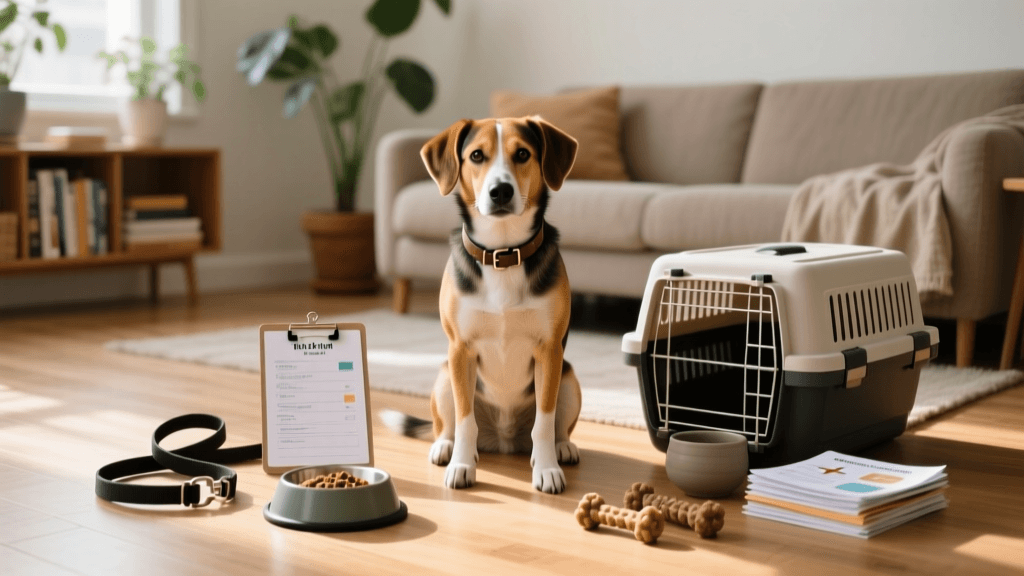
Bringing a new puppy or rescue dog home is one of the most rewarding experiences in life, but it also comes with a significant list of preparations. Among the most critical purchases you will make before your new dog's first day home is a dog crate. While some new owners view crates as mere cages, canine behaviorists and veterinarians universally recognize them as essential tools for safety, housebreaking, and providing a secure 'den' for your pet.
In this comprehensive buyer's guide, we will break down the different types of crates available on the market, explain exactly how to measure your growing puppy, and review the top-rated products to help you make an informed investment. Whether you are adopting a tiny Chihuahua mix or a boisterous Golden Retriever, finding the right crate is the first step toward a harmonious household.
Why Every New Puppy Needs a Crate
Dogs are den animals by nature. In the wild, canines seek out small, enclosed spaces to sleep, hide, and raise their young. A properly introduced crate taps into this instinct, offering your dog a sanctuary where they can retreat when the household gets overwhelming. Furthermore, the American Kennel Club (AKC) highly recommends crate training as the most effective method for housebreaking. Because dogs naturally avoid soiling their sleeping areas, a correctly sized crate teaches them to hold their bladder until they are let outside.
Beyond potty training, a crate is a vital safety device. Puppies explore the world with their teeth, and an unsupervised puppy can quickly chew through electrical cords, ingest toxic household plants, or destroy expensive furniture. A crate keeps them out of harm's way when you cannot actively monitor them.
Types of Dog Crates: Which is Best for Your Pup?
Not all crates are created equal. The right choice depends on your dog's temperament, size, and your lifestyle. Here is a breakdown of the primary crate types:
1. Wire Crates
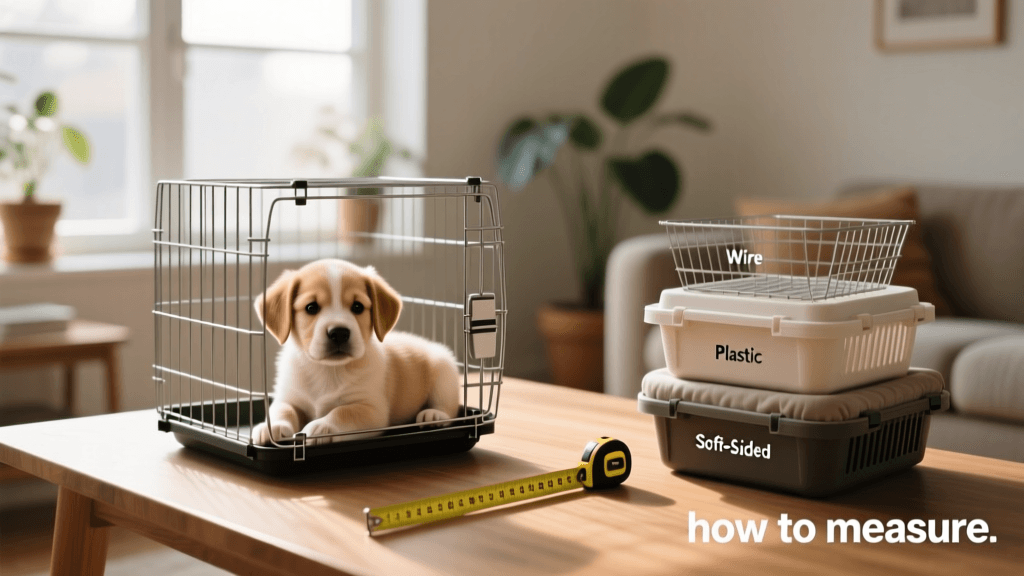
Wire crates are the most popular choice for new puppy owners. They offer excellent ventilation, visibility, and typically fold flat for easy storage or travel. Most wire crates come with a divider panel, which is an absolute must-have for growing puppies, allowing you to adjust the interior space as they grow.
2. Plastic (Airline) Crates
Plastic crates provide a more enclosed, den-like feel, which can be comforting for anxious dogs. They are generally required for air travel (cargo) and are harder for clever paws to open. However, they offer less ventilation and visibility than wire crates.
3. Soft-Sided Crates
Soft-sided crates are lightweight, portable, and great for car travel or camping. However, they are not recommended for new puppies or dogs with separation anxiety, as they can easily be chewed through or unzipped from the inside.
4. Furniture-Style Crates
These double as end tables or nightstands and blend seamlessly with home decor. While aesthetically pleasing, they are expensive, heavy, and easily destroyed by teething puppies. Save these for when your dog is fully mature and crate-trained.
How to Measure Your Puppy for a Crate
Buying a crate that is too large defeats the purpose of housebreaking, as a puppy will use one corner as a bathroom and the other for sleeping. According to guidelines from the Humane Society of the United States (HSUS), your dog should be able to stand up without their head touching the top, turn around comfortably, and lie down stretched out.
- Length: Measure from the tip of your dog's nose to the base of their tail (do not include the tail). Add 2 to 4 inches.
- Height: Measure from the floor to the top of their head (or the tip of their ears if they are erect). Add 2 to 4 inches.
- Width: Ensure the crate is wide enough for them to turn in a full circle without their shoulders hitting the sides.
Pro-Tip for Puppy Buyers: Buy a crate sized for your dog's estimated adult weight, but ensure it includes a divider panel. This allows you to block off the back of the crate, giving the puppy just enough room to stand, turn, and lie down, expanding it as they grow.
Comparison Chart: Top Crate Types for New Dogs
| Crate Type | Best For | Durability | Avg. Cost | Ventilation |
|---|---|---|---|---|
| Wire Crate | Puppies, Housebreaking, Home Use | High | $40 - $80 | Excellent |
| Plastic Crate | Anxious Dogs, Air Travel, Car Rides | Medium-High | $30 - $70 | Good |
| Soft-Sided | Adult Dogs, Camping, Car Travel | Low | $40 - $60 | Excellent |
| Furniture | Fully Trained Adult Dogs | Low (to chewing) | $120 - $250 | Poor |
Top Recommended Crates for New Dog Owners
Based on durability, ease of cleaning, and value, here are our top product picks for new dog owners.
1. Best Overall Wire Crate: MidWest Homes for Pets iCrate
The MidWest iCrate is the gold standard for puppy owners. It features a sturdy, rust-resistant electro-coat finish and a secure slide-bolt latch that most puppies cannot figure out.
Key Specs: Available in 7 sizes (18' to 54'). The 36-inch model (ideal for adult dogs 40-70 lbs) costs around $55.
Why We Love It: It includes a free divider panel, a leak-proof plastic pan for easy accident cleanup, and roller feet to protect your hardwood floors. The double-door configuration allows you to place it against a wall or in the corner of a room while still maintaining easy access.
2. Best Plastic Travel Crate: Petmate Sky Kennel
If you plan on flying with your dog or have a puppy that feels overstimulated by the visual input of a wire crate, the Petmate Sky Kennel is a fantastic choice.
Key Specs: Made from 25% recycled eco-friendly plastic with heavy-duty vaulted doors. The 28-inch model retails for about $45.
Why We Love It: It meets most IATA airline cargo requirements (always verify with your specific airline). It includes tie-down holes for zip-tie security and 'Live Animal' stickers. The enclosed design creates a highly secure, den-like atmosphere for nervous rescues.
3. Best Heavy-Duty Option: Frisco Heavy Duty Dog Crate
For owners adopting older rescue dogs with severe separation anxiety or a history of escaping standard wire crates, the Frisco Heavy Duty crate is a necessary investment.
Key Specs: Constructed from 22-gauge steel with 0.5-inch diameter tubes. The 42-inch model costs approximately $170.
Why We Love It: It features dual slide-bolt latches on the doors and locking casters. While heavy and expensive, it prevents injury to dogs who would otherwise break their teeth or claws trying to bend standard wire bars.
Essential Crate Accessories for Your Puppy's First Week
A bare crate can be intimidating and uncomfortable. To make the space inviting and to aid in the transition to a new home, consider adding these buyer-approved accessories:
- SmartPetLove Snuggle Puppy (~$40): This plush toy features a battery-operated heartbeat and a heat pack. It mimics the physical warmth and heartbeat of a littermate, drastically reducing whining and separation anxiety during the first few nights in the crate.
- KONG Classic Puppy Toy (~$15): Made from softer pink or blue rubber for teething puppies. Stuff it with a little xylitol-free peanut butter or plain yogurt and freeze it. Giving this to your puppy when they enter the crate creates a powerful positive association with the space.
- Washable Fleece Crate Pad (~$20): Avoid thick, plush orthopedic beds for the first few months. Teething puppies will chew and ingest the stuffing, which can cause life-threatening intestinal blockages. Stick to thin, tightly woven fleece pads that are machine washable until the chewing phase passes.
- Stainless Steel Coop Cup (~$12): A spill-proof bowl that screws directly into the wire of the crate. This ensures your puppy has access to water without tipping a bowl and soaking their bedding.
Final Thoughts on Crate Training
Purchasing the right crate is only half the battle; how you introduce it is equally important. The ASPCA emphasizes that a crate should never be used as a place of punishment. It must always be associated with positive experiences, treats, and praise.
Start by leaving the door open and tossing high-value treats inside. Feed your puppy their meals in the crate with the door open, gradually working up to closing the door for short durations while you sit nearby. With patience, the right equipment, and a consistent routine, your new dog will soon view their crate as their favorite place in the world to rest and recharge.
robin-maitland
All our authors care for dogs every day — read more of their work on the authors page.