Decoding Puppy Body Language: A First-Time Owner Guide
Learn to decode puppy body language and calming signals. This first-time owner guide covers stress signs, play bows, and building trust.
The Secret Language of Puppies
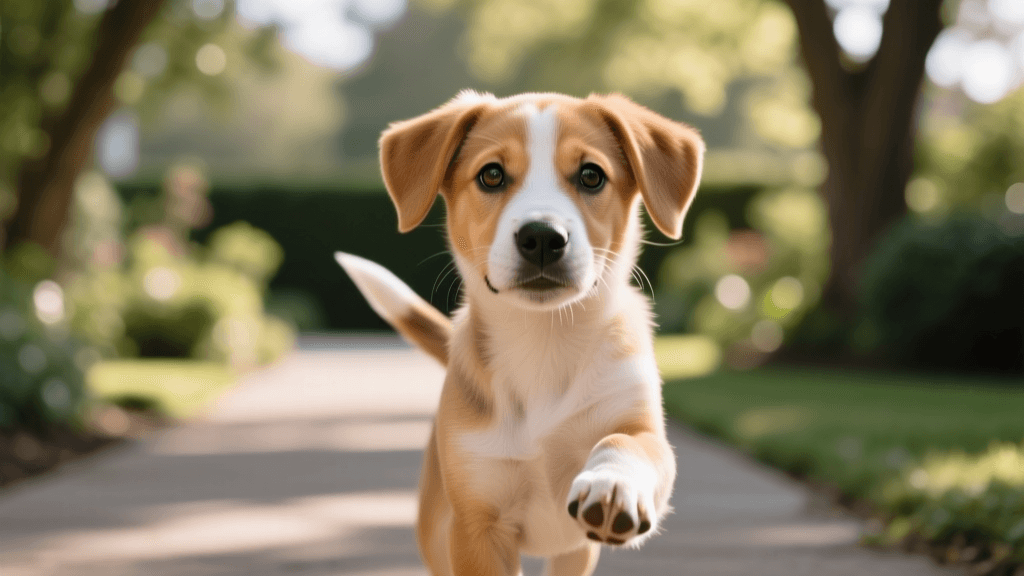
Bringing home a new puppy is an exhilarating milestone, but it often comes with a steep learning curve. While you are busy trying to teach your new furry friend how to sit, stay, and potty outside, your puppy is simultaneously trying to teach you an entirely new language. Dogs do not speak English, nor do they rely primarily on vocalizations like barking or whining to communicate their complex emotional states. Instead, they use a sophisticated, nuanced system of body language, postural shifts, and micro-expressions to tell you exactly how they are feeling.
For first-time dog owners, this silent language can seem like an impossible code to crack. You might wonder why your puppy suddenly starts scratching themselves when you ask them to sit, or why they yawn when you are playing fetch. Misinterpreting these signals is one of the most common pitfalls for new owners, often leading to frustration, broken trust, and inadvertently reinforced behavioral issues. By learning to read your puppy's body language, you can anticipate their needs, prevent fear-based reactions, and build a profoundly deep bond based on mutual understanding.
Why Understanding Canine Communication Matters
The foundation of a well-adjusted adult dog is laid during the first few months of their life. According to the American Society for the Prevention of Cruelty to Animals (ASPCA), a dog's body language is a direct reflection of their internal emotional state, ranging from relaxed and playful to fearful and defensive. When first-time owners fail to recognize early signs of stress, they often push the puppy past their threshold, resulting in a dog that feels forced to bite or snap to make their discomfort known.
Understanding canine communication is not just about preventing bites; it is about optimizing your puppy's mental health. When you can identify the exact moment your puppy becomes overwhelmed at a busy outdoor cafe or a chaotic family gathering, you can intervene by removing them from the situation before a panic response sets in. This proactive approach teaches your puppy that you are a reliable advocate who will protect them from overwhelming environments, which is the ultimate cornerstone of trust.
The "Green Light" Signals: Happy and Relaxed Puppies
Before you can identify when your puppy is stressed, you must first understand what a happy, relaxed dog looks like. "Green light" signals indicate that your puppy is receptive to training, play, and affection. Their body will appear loose, wiggly, and devoid of tension.
The Play Bow: This is the universal canine invitation to play. Your puppy will drop their front elbows to the ground while keeping their rear end high in the air, often accompanied by a wagging tail and bright eyes. This posture signals that any subsequent roughhousing, nipping, or chasing is meant in good fun and not as an act of aggression.
The "Helicopter" Tail and Relaxed Mouth: A happy puppy often has a mouth that is slightly open, with the corners of the lips relaxed, resembling a gentle smile. Their tail may wag in wide, sweeping motions or even spin in full circles (often called a helicopter tail). However, experts at the American Kennel Club (AKC) note that a wagging tail does not automatically equate to happiness; the height and stiffness of the wag matter immensely. A loose, sweeping wag at mid-level is a true green light.
The "Yellow Light" Signals: Stress and Calming Signals
"Yellow light" behaviors are the most frequently misunderstood by first-time owners. These are known in the canine behavior world as "calming signals," a term popularized by Norwegian dog trainer Turid Rugaas. Puppies use these subtle gestures to self-soothe, de-escalate tension, and communicate that they are feeling slightly uncomfortable or overwhelmed but are not yet at the point of aggression.
If you see these signals, it is a warning that your puppy's stress cup is filling up. Continuing to force training, holding them tightly when they want to be put down, or forcing interactions with strangers when these signals are present will eventually cause the puppy to escalate to "red light" behaviors.
| Puppy Behavior | What Owners Often Think | What It Actually Means (Calming Signal) |
|---|---|---|
| Yawning during training | "My puppy is bored or tired." | "I am feeling stressed and trying to calm myself down." |
| Sniffing the ground suddenly | "My puppy is distracted or ignoring me." | "The environment is overwhelming; I need a mental break." |
| Licking lips rapidly | "My puppy is hungry or wants a treat." | "I am feeling anxious about the current interaction." |
| Turning head away | "My puppy is being stubborn or defiant." | "I am trying to de-escalate this situation peacefully." |
| Scratching or shaking off | "My puppy has an itch or is cold." | "I am shedding the stress of the last few moments." |
The "Red Light" Signals: Fear, Anxiety, and Overstimulation
Red light signals mean your puppy has surpassed their ability to cope with the current environment or interaction. At this stage, the puppy is operating purely on survival instincts. Training is impossible, and pushing the puppy further will result in defensive aggression, freezing, or fleeing.
Whale Eye: This occurs when your puppy turns their head away from a stressor but keeps their eyes locked onto it, revealing the crescent-shaped whites of their eyes (the sclera). This is a severe indicator of anxiety and a precursor to a bite.
Stiffness and Pinned Ears: A dog that suddenly becomes rigid and frozen is not "being a good boy" for sitting still; they are terrified. Ears pinned flat against the skull combined with a tucked tail indicate a desire to make themselves as small and invisible as possible.
Growling and Snapping: Many first-time owners make the critical mistake of punishing a puppy for growling. The Best Friends Animal Society strongly warns against this practice. A growl is a vital communication tool—a red light that says, "I am uncomfortable, please give me space." If you punish the growl, the puppy will learn to skip the warning entirely and go straight to biting the next time they feel threatened.
Actionable Steps: Setting Up Your Puppy for Success
Understanding body language is only half the battle; applying it to your daily routine is where the real magic happens. Here is a practical, first-time owner guide to managing your puppy's emotional state, complete with timing, costs, and product recommendations.
1. Implement the 3-Second Petting Rule
When strangers or family members want to pet your puppy, instruct them to pet the dog for exactly three seconds, then stop and remove their hands. Observe the puppy's body language. If the puppy leans in, nudges the hand, or offers a soft play bow (Green Light), you may resume petting. If the puppy turns their head away, licks their lips, or takes a step back (Yellow/Red Light), the interaction must end immediately. This teaches your puppy they have agency over their own bodies.
2. Create a "Decompression Zone"
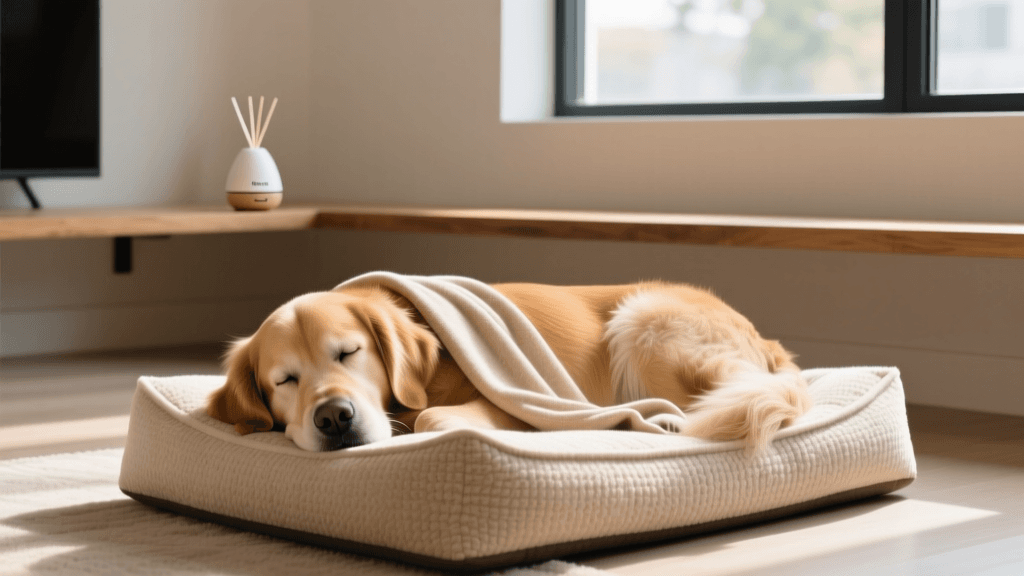
Puppies easily become overstimulated, which often manifests as the dreaded "puppy zoomies" or aggressive nipping. You need a designated, low-stimulation area where your puppy can decompress. Estimated Cost: $80 - $100.
- Heartbeat Snuggle Puppy (Approx. $45): This plush toy includes a simulated heartbeat and heat pack, which mimics the feeling of sleeping against a littermate, drastically reducing separation anxiety and whining in the crate.
- Adaptil Calm Home Diffuser (Approx. $25): Plugged into the wall near the puppy's resting area, this diffuser releases synthetic dog-appeasing pheromones (DAP) that biologically signal safety and calm to the canine brain.
- KONG Classic Puppy Teething Rubber (Approx. $15): Stuff this with frozen plain yogurt or puppy-safe peanut butter. Licking and chewing are natural self-soothing behaviors that release endorphins in your puppy's brain.
3. Prioritize Mental Enrichment Over Physical Exhaustion
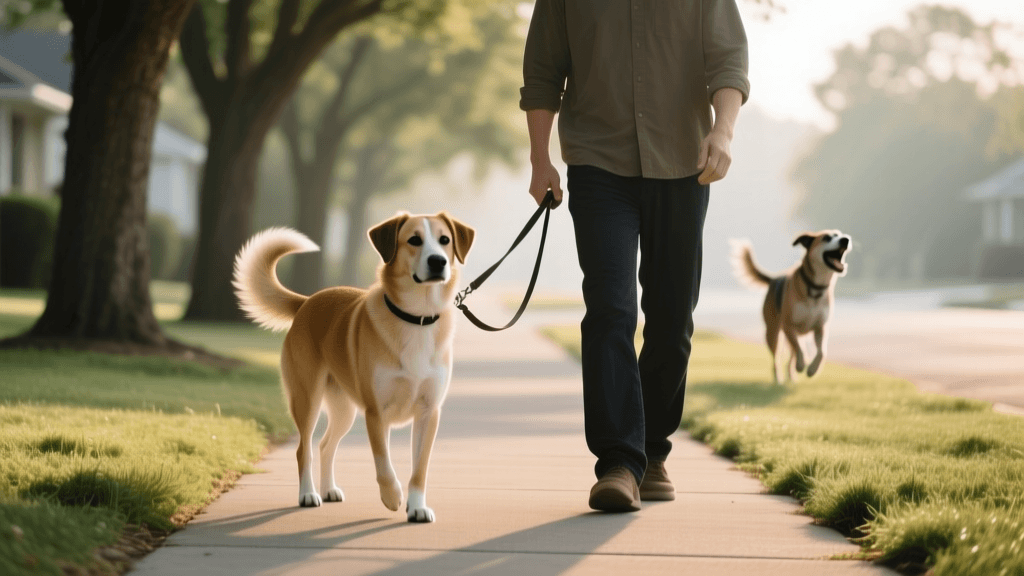
A common myth among first-time owners is that a tired puppy is a good puppy, leading them to take young dogs on excessively long walks. This can damage developing joints and actually cause cortisol (stress hormone) levels to spike, resulting in an overtired, cranky, and bitey puppy. Timing Rule: Puppies need 18 to 20 hours of sleep a day. Awake windows should be limited to 45 to 60 minutes.
Instead of a 45-minute walk, utilize a Snuffle Mat ($20) for 15 minutes of scent-work foraging. Sniffing lowers a dog's heart rate and provides immense mental fatigue without the physical wear and tear or environmental overstimulation of a busy neighborhood walk.
4. Respect the Socialization Window
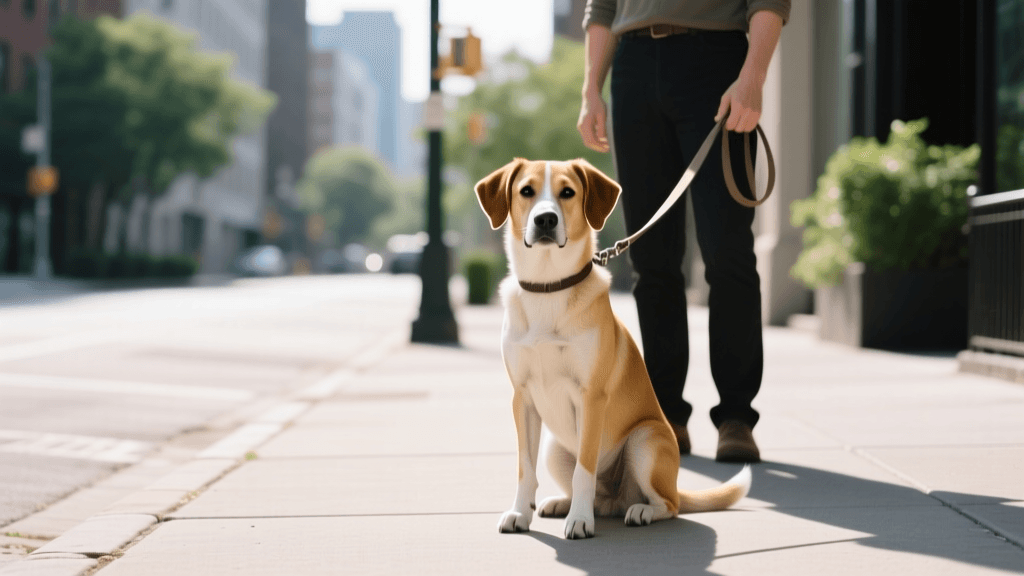
The critical socialization window closes between 12 and 16 weeks of age. However, socialization does not mean forcing your puppy to interact with every dog and human they see. It means exposing them to novel sights, sounds, and surfaces while keeping them under their stress threshold. If your puppy exhibits "whale eye" or a tucked tail near a loud garbage truck, do not force them closer. Toss high-value treats (like boiled chicken) at a distance where they feel safe, allowing them to observe without panic.
Conclusion: Patience and Observation
Decoding your puppy's body language is a lifelong journey that requires patience, keen observation, and a willingness to look at the world from their perspective. By honoring their calming signals, respecting their boundaries, and providing structured decompression, you are not just raising an obedient dog; you are raising a confident, emotionally secure companion who trusts you implicitly.
"Dogs are not humans in fur coats. They are a distinct species with their own rich, silent language. The greatest gift you can give your puppy is the willingness to learn it."
aaron-whyte
All our authors care for dogs every day — read more of their work on the authors page.