Understanding Canine Calming Signals For New Dog Owners
Discover how to read canine calming signals. This first-time owner guide explains dog body language to reduce stress and build a stronger bond.
Welcome to the Secret Language of Dogs
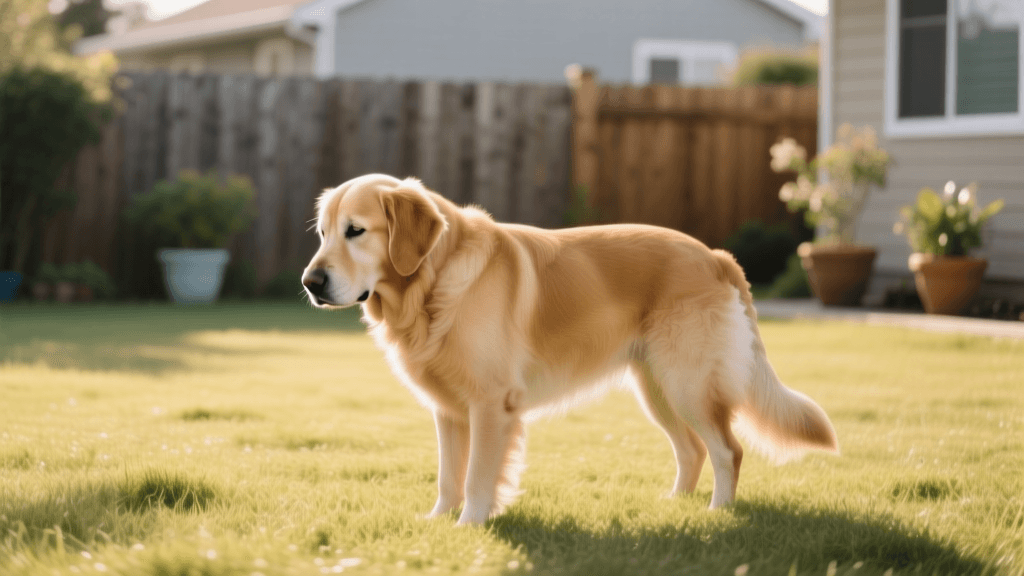
Bringing a new dog into your home is an exhilarating milestone, but it often comes with a steep learning curve. As a first-time owner, you might find yourself confused when your puppy yawns during a training session, sniffs the ground when you call them, or turns their head away when you lean in for a hug. While these behaviors might seem like disobedience or distraction, they are actually vital communication tools. According to the ASPCA's guide on canine body language, dogs rely heavily on subtle physical cues to navigate their world and communicate their emotional state.
To build a lifelong bond based on trust, you must learn to decipher these cues. This guide focuses on 'calming signals'—a concept pioneered by Norwegian canine behaviorist Turid Rugaas. These signals are the foundation of canine diplomacy, used to de-escalate tension, self-soothe, and communicate peaceful intent.
The Psychology and Physiology of Calming Signals
Before diving into specific behaviors, it is crucial to understand the psychology behind them. Dogs are highly social animals that evolved to avoid physical conflict, as injury in the wild could be fatal. To maintain social harmony, they developed a complex vocabulary of non-verbal cues designed to lower the heart rate and reduce adrenaline in themselves and those around them.
When your dog encounters a stressor—be it a loud noise, an overly enthusiastic toddler, or a tense leash environment—their autonomic nervous system triggers a stress response. Calming signals are the canine equivalent of taking a deep, mindful breath. They are an attempt to restore emotional homeostasis. If a first-time owner misinterprets these signals as 'stubbornness' and responds with frustration or punishment, it creates a feedback loop of anxiety, eroding the dog's trust.
Essential Calming Signals Every First-Time Owner Must Know
The American Kennel Club (AKC) emphasizes that recognizing early signs of stress can prevent behavioral issues from escalating. Here are the most common calming signals you will observe in your new dog:
- Yawning: If your dog yawns when they are not tired, particularly during vet visits or training sessions, they are signaling stress or confusion.
- Lip Licking or Nose Licking: Quick, repetitive flicks of the tongue over the nose or lips often indicate mild discomfort or an attempt to appease a perceived threat.
- Turning the Head or Looking Away: Direct, prolonged eye contact is considered confrontational in dog culture. Turning the head is a polite way of saying, 'I mean no harm, please back off.'
- Sniffing the Ground: Suddenly becoming intensely interested in a patch of grass when another dog or person approaches is a displacement behavior used to avoid direct confrontation.
- Curving the Approach: Dogs rarely walk in straight lines toward one another. A curved path is a polite, non-threatening way to initiate a greeting.
- Shaking Off: A full-body shake, as if wet, is a physiological reset button used to discharge built-up tension after a stressful event.
Decoding the Signals: A Quick Reference Table
Use this structured chart to quickly identify what your dog is feeling and how you should adjust your behavior in real-time.
| Calming Signal | Visual Description | Canine Translation | Owner Action Plan |
|---|---|---|---|
| Yawning | Wide mouth, eyes slightly squinted, not related to sleep. | 'I am feeling overwhelmed or confused by this situation.' | End the training session or give your dog a 5-minute break in a quiet space. |
| Lip Licking | Rapid tongue flicks over the nose or mouth. | 'I am slightly uncomfortable with your proximity or tone.' | Take a step back, soften your voice, and avoid leaning over the dog. |
| Head Turn | Averting eyes, turning the muzzle away from the stimulus. | 'I am trying to de-escalate this interaction peacefully.' | Stop forcing the interaction. Allow the dog to approach on their own terms. |
| Ground Sniffing | Intense, sudden focus on the dirt or grass. | 'I want to avoid a direct, tense encounter right now.' | Do not yank the leash. Give them 3 to 5 seconds to sniff and process. |
| Shake Off | Vigorous full-body shake starting from the head down. | 'I am releasing the tension from that stressful event.' | Offer calm praise. The stressor has passed, and your dog is resetting. |
Real-World Scenarios: Actionable Advice for New Owners
Understanding the theory is only half the battle. Here is how to apply this knowledge in common, high-stress scenarios, complete with specific product recommendations and timing strategies.
Scenario 1: The Overwhelming Vet Visit
The veterinary clinic is a sensory overload of strange smells, slippery floors, and unfamiliar animals. If your dog begins yawning and lip-licking in the waiting room, their cortisol levels are spiking.
- Actionable Prep: Spray a bandana with Adaptil Calm Spray (approx. $15.99) 15 minutes before leaving the house. This synthetic pheromone mimics the nursing hormones of a mother dog, providing a biological cue for relaxation.
- In the Clinic: Bring a familiar, non-slip mat. If your dog turns their head away from the veterinarian, do not force their muzzle forward. Ask the vet to approach from the side and toss high-value treats, like freeze-dried liver, on the floor to encourage voluntary engagement.
Scenario 2: Leash Encounters and Reactivity
Walking on a leash restricts a dog's natural ability to use spatial pressure to communicate. When an off-leash dog approaches, your leashed dog may feel trapped, leading to reactive barking.
- Equipment Check: Ditch the retractable leash and standard collar, which can cause tracheal damage and increase physical tension. Invest in a front-clip harness like the Ruffwear Front Range Harness ($39.95). The front clip gently redirects the dog's momentum toward you without causing pain.
- The 'U-Turn' Strategy: If you see a trigger approaching and your dog begins to stiffen or sniff the ground intensely, execute a cheerful U-turn before they react. Reward them with Zuke's Mini Naturals (approx. $6.49 per bag) for disengaging. Keep the leash loose; a tight leash communicates tension directly to the dog's neck, confirming that there is indeed a threat.
Scenario 3: Training Session Burnout
First-time owners often push training sessions too long, leading to frustration. If you are teaching 'sit' and your dog suddenly starts scratching, yawning, or sniffing, they are not being stubborn. They are experiencing cognitive fatigue.
- Timing Rule: Limit training sessions to 10 to 15 minutes maximum. Puppies and newly adopted adult dogs have limited mental stamina.
- The Reset: When you see a calming signal, immediately ask for a behavior they know perfectly (like 'touch' or 'sit'), reward heavily, and end the session on a positive note. Pushing past the yawn leads to learned helplessness.
How to 'Speak Dog' Back to Your Pet
Communication is a two-way street. Once you can read calming signals, you can start using them to comfort your dog. The Humane Society of the United States notes that mirroring calming behaviors can significantly reduce canine anxiety.
- Blink Slowly: If your dog is staring at you with wide, concerned eyes, soften your gaze and blink slowly. This signals that you are relaxed and not a threat.
- Turn Sideways: When greeting a fearful dog, do not face them head-on or lean over them. Stand sideways, keep your hands low, and allow them to close the distance.
- Yawn Back: If your dog is stressed during a thunderstorm or fireworks, sit near them (without crowding) and exaggerate a slow, audible yawn. Many dogs will recognize the signal and physically relax in response.
Common First-Time Owner Mistakes to Avoid
The fastest way to damage your relationship with your new dog is to punish a calming signal. If a dog growls, lip-licks, or turns away, they are using their words to say they are uncomfortable. If you scold them for these signals, they will learn to suppress their warning signs. A dog that learns to suppress calming signals may eventually bite 'out of nowhere,' when in reality, they were communicating their distress for months, only to be ignored or punished for it.
Another common mistake is forcing socialization. Well-meaning new owners often drag their dogs into dog parks or busy festivals, believing that exposure equals socialization. However, forced exposure while the dog is displaying stress signals (like excessive panting, tucked tail, or ground sniffing) actually causes 'sensitization,' making the dog more fearful of those environments in the future. Always let your dog's body language dictate the pace of their socialization.
Conclusion: Patience and Observation
Understanding canine calming signals transforms you from a mere caregiver into a true partner for your dog. It shifts your perspective from 'Why is my dog misbehaving?' to 'What is my dog trying to tell me?' By respecting their boundaries, adjusting your environment, and utilizing the right tools and timing, you create a safe haven where your dog feels understood. Remember, every yawn, lick, and head turn is a conversation. Listen closely, and your bond will flourish.
beth-carrasco
All our authors care for dogs every day — read more of their work on the authors page.