First-Time Dog Owner Guide: Essential Supplies and Puppy-Proofing
Discover essential first-day supplies, estimated costs, and step-by-step puppy-proofing tips tailored for first-time dog owners bringing their pet home.
Welcome Home: Preparing for Your First Dog
Bringing a dog home for the first time is a milestone filled with joy, excitement, and inevitably, a touch of anxiety. Unlike seasoned owners who have already navigated the chaotic first days of pet parenthood, first-time owners often find themselves overwhelmed by the sheer volume of advice, products, and preparations required. Should you buy a collar or a harness? What size crate is actually necessary? How do you ensure your living room is safe for an inquisitive puppy or a nervous rescue dog?
This comprehensive guide is designed specifically for novices. We will walk you through the exact supplies you need, realistic cost estimates, and a meticulous puppy-proofing strategy to ensure your home is a safe, welcoming haven for your new best friend.
The Ultimate First-Day Shopping List
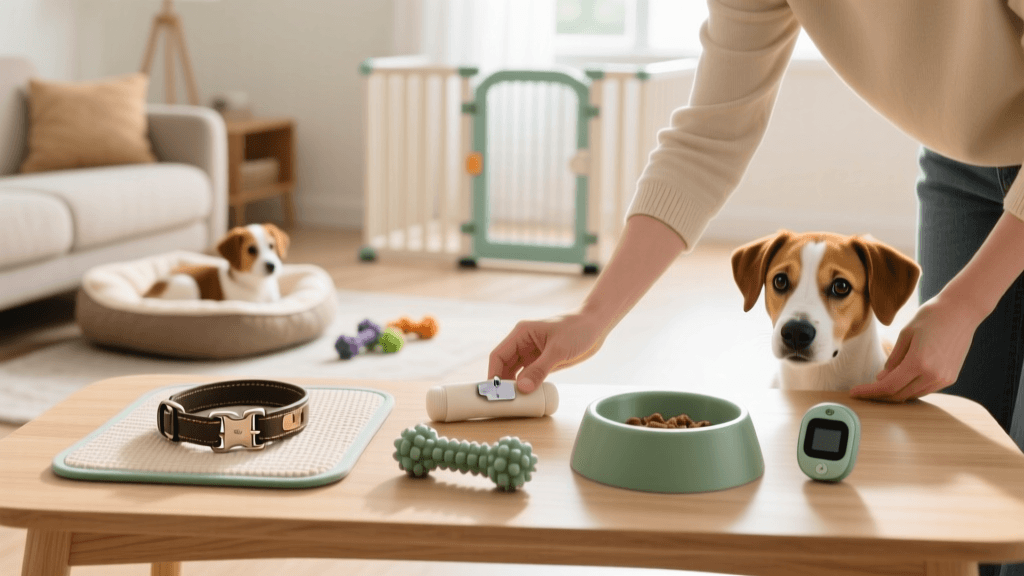
According to the American Kennel Club (AKC) puppy checklist, having your supplies ready before your dog arrives is critical for establishing an immediate routine. Below is a curated table of first-day essentials, complete with estimated costs and specific recommendations for first-time owners.
| Essential Item | Purpose | Estimated Cost | Top Brand Recommendation |
|---|---|---|---|
| Adjustable Wire Crate | Safe containment & potty training | $50 - $80 | MidWest Homes for Pets iCrate |
| Front-Clip Harness | Safe walking & leash training | $30 - $45 | Ruffwear Front Range |
| Enzymatic Cleaner | Stain & odor elimination | $10 - $15 | Nature's Miracle Advanced |
| Stainless Steel Bowls | Hygienic feeding & watering | $15 - $25 | basispet or OurPets |
| Interactive Puzzle Toy | Mental stimulation & teething | $12 - $20 | KONG Classic (Red or Black) |
| Exercise Pen (X-Pen) | Creating a safe indoor play zone | $40 - $60 | MidWest 36-Inch Pet Playpen |
Comfort and Containment
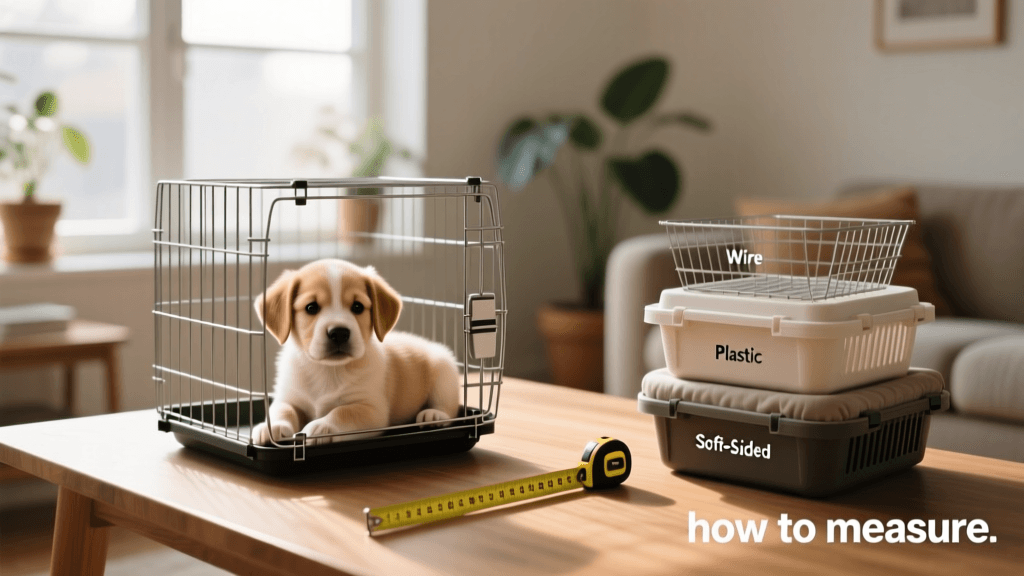
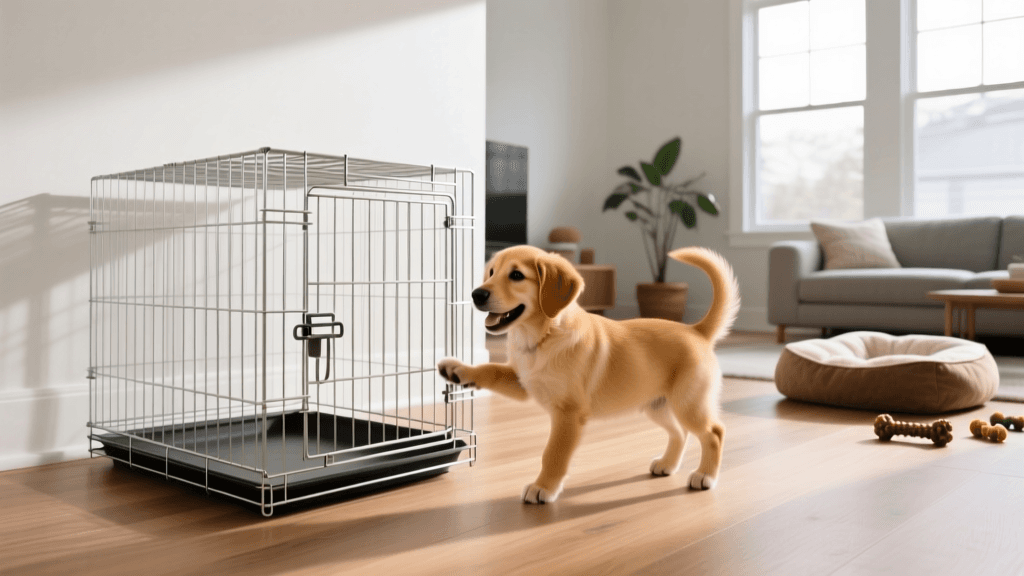
A wire crate is highly recommended over soft-sided crates for first-time owners because it aids in potty training and prevents destructive chewing. For a medium-sized breed like a Cocker Spaniel or a smaller mixed breed, a 36x23x25 inch crate with a divider panel is ideal. This allows you to adjust the space as your puppy grows, ensuring the crate is only large enough for them to stand, turn around, and lie down—a crucial factor in encouraging them to hold their bladder overnight.
Pair the crate with a 4x4 foot or 4x8 foot exercise pen to create a "safe zone" in your living room. This gives your dog more freedom than the crate while preventing them from wandering into un-proofed areas of the house when you cannot supervise them directly.
Safety and Walking Gear
First-time owners often default to a standard flat collar for walking. However, a front-clip harness is vastly superior for early leash training. By attaching the leash to the chest ring, any forward pulling naturally redirects the dog's momentum back toward you, discouraging the behavior without causing tracheal damage. Reserve the flat collar strictly for holding your dog's ID and rabies tags.
Cleaning and Nutrition
Accidents will happen. Invest in a high-quality enzymatic cleaner like Nature's Miracle. Never use ammonia-based household cleaners on pet accidents; ammonia smells like urine to dogs and will actually encourage them to re-soil the same spot. For feeding, stainless steel or ceramic bowls are mandatory. Plastic bowls harbor microscopic scratches that breed bacteria, which can lead to canine acne and gastrointestinal issues.
Puppy-Proofing Your Home: A Room-by-Room Guide
Dogs explore the world with their mouths, much like human toddlers. The ASPCA's guide to puppy-proofing emphasizes that a proactive approach to home safety can prevent thousands of dollars in emergency vet bills. Here is how to secure your home before paws hit the floor.
The Kitchen and Bathrooms
The kitchen is arguably the most dangerous room in the house for a new dog. Secure all trash cans with locking lids or move them inside latched pantry cabinets. You must also audit your pantry for xylitol (sometimes labeled as birch sugar), an artificial sweetener found in many peanut butters, sugar-free gums, and baked goods. The Humane Society's list of toxic foods warns that even small amounts of xylitol can cause rapid hypoglycemia, seizures, and fatal liver failure in dogs.
- Medications: Never leave human medications on nightstands or bathroom counters. Dogs can easily chew through child-proof pill bottles.
- Cleaning Supplies: Move all bleach, detergents, and pod-based cleaners to high shelves or install magnetic child-proof latches on lower cabinets.
- Toilets: Keep toilet lids closed. Dogs are prone to drinking from the bowl, which is unsanitary and dangerous if you use drop-in toilet cleaning tablets.
Living Areas and Bedrooms
Electrical cords are a massive chewing hazard. Use split loom tubing or hard plastic cord concealers to protect TV and lamp wires. If a puppy chews a live wire, it can result in severe oral burns or fatal electrocution. Additionally, audit your houseplants. Common indoor plants like sago palms, lilies, pothos, and philodendrons are highly toxic to dogs. Move them to high shelves or replace them with pet-safe alternatives like spider plants or Boston ferns.
The First 24 Hours: Timing and Routine
The first day sets the tone for your dog's entire life in your home. Resist the urge to invite friends and family over for a "welcome home" party. Your dog is likely overstimulated and stressed from the transition. Follow this timeline for a smooth first day.
Hour 1: The Arrival and Potty
When you arrive home, do not carry your dog inside. Lead them on a leash directly to the designated outdoor potty spot. Wait patiently for them to eliminate, and reward them immediately with a high-value treat and verbal praise. This establishes the foundation of your house-training routine.
Hours 2-4: Decompression and Exploration
Allow your dog to explore their new environment, but keep them on a leash or restrict them to their exercise pen. Let them sniff their crate, their water bowl, and their toys. Keep the energy calm and speak in a soothing voice. If you have other pets, introduce them slowly in a neutral outdoor space before bringing them inside together.
Hours 5-8: The First Meal and Rest
Feed your dog the exact same food they were eating at the breeder, shelter, or foster home. Sudden diet changes cause severe gastrointestinal upset and diarrhea. If you plan to switch their food, do so gradually over a 7-to-10-day period starting in week two. After their meal, expect a potty break within 20 minutes, followed by a long nap in their crate or pen.
Nighttime: The Sleep Setup
Place the crate in your bedroom for the first few nights. Your dog has just been separated from their littermates or foster pack, and the sound and smell of you sleeping nearby will reduce separation anxiety and nighttime whining. Expect to set an alarm for a midnight potty break if your dog is under 12 weeks old.
The 3-3-3 Rule of Dog Adoption: Remember that it takes a dog roughly 3 days to decompress from the stress of a move, 3 weeks to learn your household routine, and 3 full months to truly feel at home and bonded to you. Be patient, be consistent, and give them the grace to adjust at their own pace.
Final Thoughts for First-Time Owners
Preparing for your first dog is a significant undertaking, but having the right supplies and a safe environment will drastically reduce your stress and accelerate your dog's training. By investing in a proper wire crate, a front-clip harness, and taking the time to meticulously puppy-proof your home, you are setting the stage for a lifelong, harmonious relationship. Take a deep breath, trust your preparation, and get ready for one of the most rewarding journeys of your life.
marcus-aldridge
All our authors care for dogs every day — read more of their work on the authors page.