The Ultimate Dog Crate Buyer Guide for New Puppy Owners
Find the perfect dog crate for your new puppy. Compare wire, plastic, and soft crates, learn proper sizing, and get expert crate training tips today.
Why Every New Dog Owner Needs a Crate
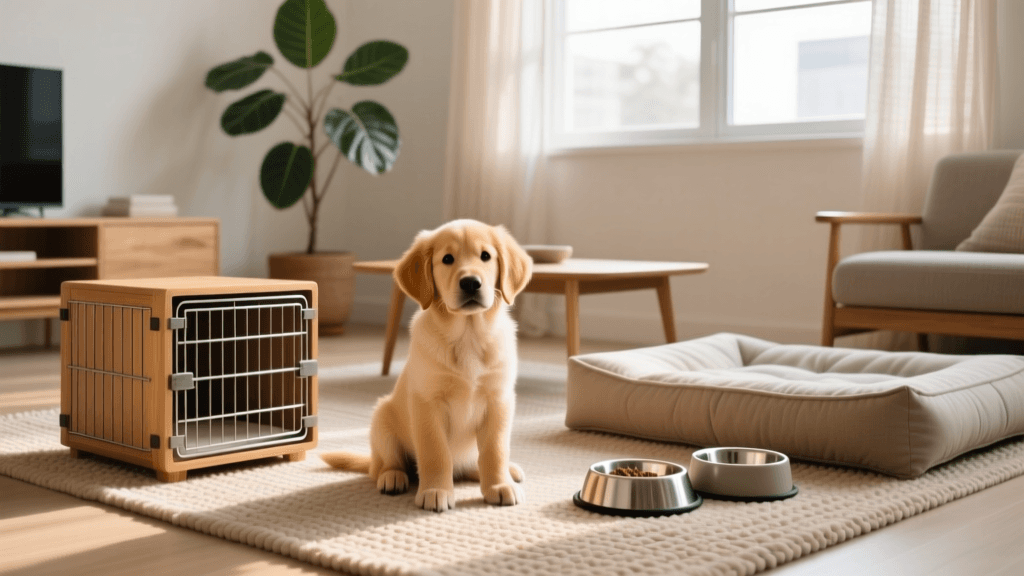
Bringing a new puppy or rescue dog into your home is an exhilarating experience, but it also comes with a unique set of challenges. From potty training to preventing destructive chewing, the first few months require patience, consistency, and the right equipment. At the very top of your shopping list should be a high-quality dog crate. Far from being a form of confinement, a crate serves as a vital tool for housebreaking, safety, and providing your new dog with a secure den of their own.
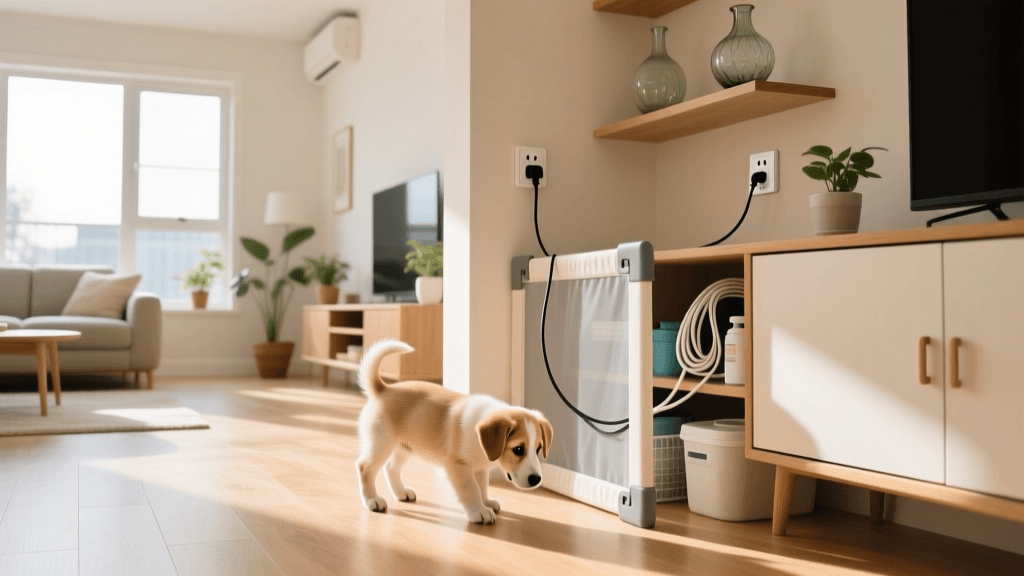
According to the ASPCA, dogs are den animals by nature, and a crate taps into this instinct, giving them a safe retreat when the household becomes overwhelming. Furthermore, a crate is essential for keeping your puppy safe when you cannot supervise them, preventing them from ingesting toxic plants, chewing on electrical cords, or destroying your favorite furniture. In this comprehensive buyer guide, we will break down the best types of crates, how to size them correctly, top brands to consider, and expert tips for successful crate training.
Types of Dog Crates: Which is Best for Your Puppy?
Not all crates are created equal. The right choice depends on your dog’s temperament, size, and your lifestyle. Here is a breakdown of the four main types of dog crates available on the market.
1. Wire Crates
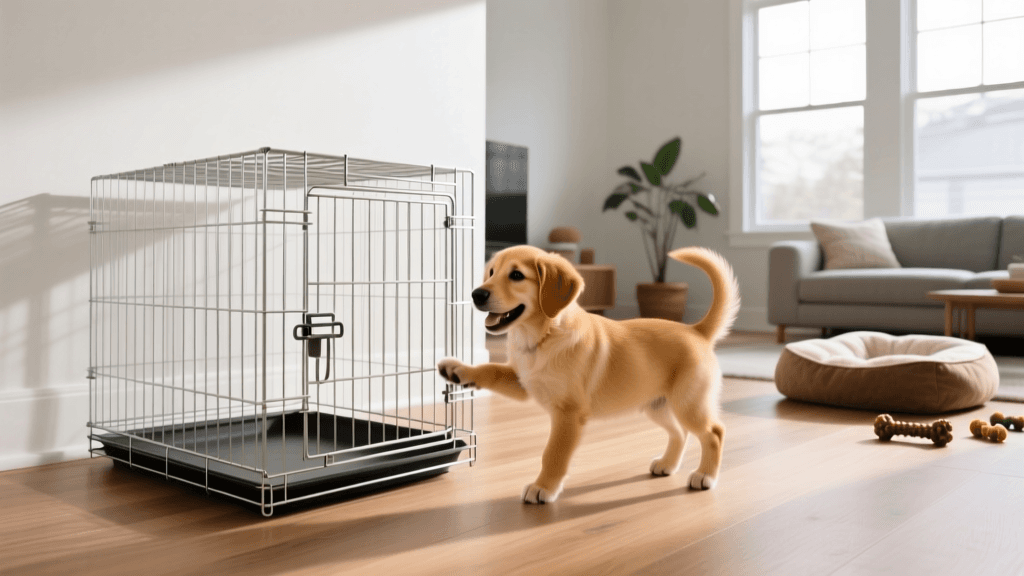
Wire crates are the gold standard for new puppy owners. They offer excellent ventilation, visibility, and typically fold flat for easy storage or transport. Most wire crates come with a divider panel, which is an absolute must-have for growing puppies. The divider allows you to adjust the interior space so your puppy has just enough room to stand, turn around, and lie down, which is crucial for preventing accidents during potty training. The primary drawback is that they can be heavy and visually obtrusive in a living room setting.
2. Plastic (Airline) Crates
Plastic crates offer a more enclosed, den-like environment, which can be highly soothing for anxious dogs or puppies who are easily overstimulated by visual movement. They are also required for airline cargo travel. However, they lack the ventilation of wire crates, can retain odors if not cleaned properly, and do not fold down for storage. They are an excellent secondary crate for the bedroom or for travel, but perhaps less ideal as a primary daytime crate in a warm climate.
3. Soft-Sided Crates
Soft-sided crates are lightweight, highly portable, and easy to store. They are fantastic for adult dogs who are already fully crate-trained and travel frequently with their owners. However, they are a terrible choice for new puppies or dogs with separation anxiety. A teething puppy will chew through the mesh in minutes, and an anxious dog can easily unzip or claw their way out, leading to potential ingestion hazards or escape.
4. Heavy-Duty and Furniture Crates
Heavy-duty crates are constructed from thick steel or aluminum and are designed for ‘escape artists’ or highly destructive dogs. While incredibly secure, they are expensive and heavy. Furniture crates, on the other hand, double as end tables or TV stands. While aesthetically pleasing, they are often made of wood or engineered particle board, which a chewing puppy can easily destroy. Save furniture crates for when your dog is fully matured and past the chewing phase.
How to Choose the Right Crate Size
Buying the correct size is arguably the most critical factor in your purchase. A crate that is too large will allow your puppy to designate one corner for sleeping and another for eliminating, completely defeating the purpose of housebreaking. A crate that is too small will cause physical discomfort and joint stress.
To find the perfect fit, measure your dog (or estimate the adult size if you have a mixed-breed puppy) using the following guidelines:
- Length: Measure from the tip of the nose to the base of the tail (do not include the tail). Add 2 to 4 inches.
- Height: Measure from the floor to the top of the head (or the tips of the ears if they are erect). Add 2 to 4 inches.
- Width: Ensure the crate is wide enough for the dog to comfortably turn around in a full circle without their shoulders hitting the sides.
Pro Tip: If you are buying a crate for a puppy that will grow into a large adult dog, purchase a large or extra-large wire crate that includes an adjustable divider panel. This saves you from buying multiple crates as your puppy grows.
Comparison Chart: Best Crates for New Dogs
| Crate Type | Best For | Durability | Price Range | Portability |
|---|---|---|---|---|
| Wire Crate | Puppies, Chewers, Housebreaking | High | $40 - $100 | Medium (Folds flat) |
| Plastic Crate | Anxious Dogs, Air Travel | Medium | $30 - $80 | Low (Bulky) |
| Soft-Sided | Adult, Calm Dogs, Road Trips | Low | $25 - $60 | High (Lightweight) |
| Heavy-Duty | Escape Artists, Destructive Dogs | Very High | $150 - $450 | Low (Very heavy) |
| Furniture | Fully Trained Adult Dogs | Medium | $100 - $300 | Low (Stationary) |
Top Crate Brands to Consider in 2024
When investing in a crate, quality matters. Cheap wire crates often have flimsy latches, sharp edges, and poor structural integrity. Here are three highly recommended brands for new dog owners:
MidWest Homes for Pets (iCrate & Ultima Pro)
MidWest is a staple in the dog community. Their standard iCrate is an affordable, reliable entry-level wire crate that includes a divider panel, a leak-proof plastic pan, and a carrying handle. For stronger, more determined puppies, their Ultima Pro line features thicker, heavier-gauge wire and a more secure double-latch door system. Prices range from $40 to $90 depending on the size and model.
Diggs (Revol Dog Crate)
The Diggs Revol is a premium, modern wire crate inspired by baby products. It features a unique collapsing mechanism that allows it to fold up with one hand, making it incredibly easy to store. It also includes a ceiling hatch for easy treat access during training and a built-in divider. It is on the expensive side, typically retailing between $145 and $225, but its safety features, lack of sharp edges, and aesthetic appeal make it a top choice for many new owners.
Petmate (Sky Kennel & Ultra Vari)
If you prefer a plastic crate or plan to fly with your dog, Petmate is the industry leader. Their Sky Kennel meets most IATA airline cargo requirements (always check with your specific airline) and features heavy-duty, eco-friendly plastic with secure wire doors. Prices generally range from $40 to $100.
Essential Crate Accessories for Day One
The crate itself is just the foundation. To set your new puppy up for success, you will need a few key accessories to make the space comfortable and functional:
- Crate Bed or Mat ($15 - $40): Avoid plush, fluffy beds for new puppies, as they will likely be shredded and ingested. Opt for a durable, water-resistant mat like the K9 Ballistics Tough Bed or a simple fleece blanket until the chewing phase passes.
- Crate Cover ($20 - $35): A breathable canvas cover helps block out visual stimuli, signaling to your puppy that it is time to sleep. This is especially helpful for early morning sleep-ins.
- Attachable Water Bowl ($10 - $15): Stainless steel bowls that clip securely to the wire prevent spills and keep the crate dry. Avoid leaving standard water bowls on the floor, as puppies will tip them over.
- Enrichment Toys ($10 - $25): A Kong classic stuffed with frozen peanut butter or plain yogurt is an invaluable tool for keeping your puppy occupied and building positive associations with the crate.
Expert Tips for Successful Crate Training
Buying the crate is only half the battle; teaching your dog to love it is the other. The American Kennel Club (AKC) emphasizes that a crate should never be used as a place for punishment. If your dog associates the crate with fear or isolation, training will become a massive struggle.
Start by leaving the door open and tossing high-value treats inside. Feed your puppy their meals in the crate to build a positive association. Once they are entering willingly, begin closing the door for short increments while you remain in the room. Gradually increase the time and distance as your puppy becomes comfortable.
The Humane Society of the United States recommends adhering to a strict time limit based on the puppy’s age to prevent physical discomfort and behavioral setbacks. A general rule of thumb is that a puppy can hold their bladder for one hour for every month of age, plus one. Therefore, a two-month-old puppy should not be crated for more than three hours at a time during the day. Overnight, their metabolism slows down, allowing them to sleep slightly longer, but you should still expect middle-of-the-night potty breaks for the first few weeks.
Common Crate Mistakes to Avoid
- Leaving the collar on: Always remove your puppy’s collar before crating them. Tags or buckles can easily get caught in the wire or plastic grates, posing a severe strangulation hazard.
- Letting them out when whining: If your puppy cries or barks, wait for a brief moment of silence before opening the door. Letting them out while they are vocalizing teaches them that making noise is the key to freedom.
- Over-crating: A crate is a management tool, not a babysitter. Adult dogs should not be crated for more than 8 hours a day, and puppies need frequent breaks for socialization, play, and exercise.
Investing in the right crate and taking the time to properly train your new dog will pay dividends for years to come. It provides peace of mind for you and a lifelong sanctuary for your furry best friend.
beth-carrasco
All our authors care for dogs every day — read more of their work on the authors page.