Expert Q&A: Surviving The First 30 Days With A New Dog
Discover essential vet and trainer advice for your dog's first 30 days. Learn about vaccination schedules, crate training, and socialization tips.

Introduction: The Critical First Month
Bringing a new dog or puppy home is one of life's most rewarding experiences, but it can also be incredibly overwhelming. The first 30 days set the foundation for your dog's long-term health, behavioral stability, and your mutual bond. To cut through the noise and provide you with actionable, science-backed advice, Paws-Tales sat down with two industry experts: Dr. Sarah Jenkins, a licensed veterinarian with over a decade of small animal practice experience, and Mark Evans, a Certified Professional Dog Trainer (CPDT-KA) specializing in early puppy development and rescue dog rehabilitation.
In this comprehensive Q&A, we cover everything from core vaccination schedules and dietary transitions to potty training routines and safe socialization. Whether you are adopting a senior rescue or bringing home an eight-week-old purebred, this expert guide will help you navigate the critical first month with confidence.
The Veterinary Perspective: Health, Diet, and Wellness
Q: When should I schedule the first vet visit, and what should I bring?
Dr. Sarah Jenkins, DVM: You should schedule your dog's first veterinary wellness exam within 48 hours of bringing them home. This is crucial for establishing a baseline of health and catching any immediate concerns like respiratory infections or parasites. When you come to the clinic, bring any medical records provided by the breeder or shelter, including previous deworming treatments and vaccine history. If your dog is on a specific food, bring a picture of the ingredient label or a small sample of the kibble so we can assess their nutritional intake.
Q: What is the core vaccination and parasite prevention protocol?
Dr. Jenkins: Preventive care is non-negotiable. According to the American Veterinary Medical Association (AVMA), core vaccines for dogs include Rabies and the DA2PP (Distemper, Adenovirus, Parainfluenza, and Parvovirus) combination. Puppies typically need a series of DA2PP shots every three to four weeks starting at six to eight weeks of age, until they are at least 16 weeks old. Rabies is usually administered between 12 and 16 weeks.
Regarding parasites, you should start heartworm prevention as early as eight weeks of age, depending on the medication. Products like Heartgard Plus or Interceptor Plus are excellent choices. For fleas and ticks, oral preventatives like NexGard or Bravecto are highly effective, but ensure your puppy meets the minimum weight requirement, which is usually around four to eight pounds depending on the brand.
Q: How do I transition their food without causing gastrointestinal upset?
Dr. Jenkins: Sudden diet changes are a primary cause of diarrhea in newly adopted dogs. You must use a gradual seven-day transition schedule. I recommend a high-quality, AAFCO-approved puppy or adult formula, such as Purina Pro Plan or Royal Canin, depending on the dog's age and breed size. Here is the exact mixing schedule I give my clients:
- Days 1-2: 75% old food, 25% new food.
- Days 3-4: 50% old food, 50% new food.
- Days 5-6: 25% old food, 75% new food.
- Day 7: 100% new food.
If your dog experiences loose stools during this transition, slow down the process and add a spoonful of plain, unsweetened canned pumpkin puree to their meals to help firm up their digestion.
The Trainer's Perspective: Behavior, Potty, and Bonding
Q: How do I tackle potty training on day one?
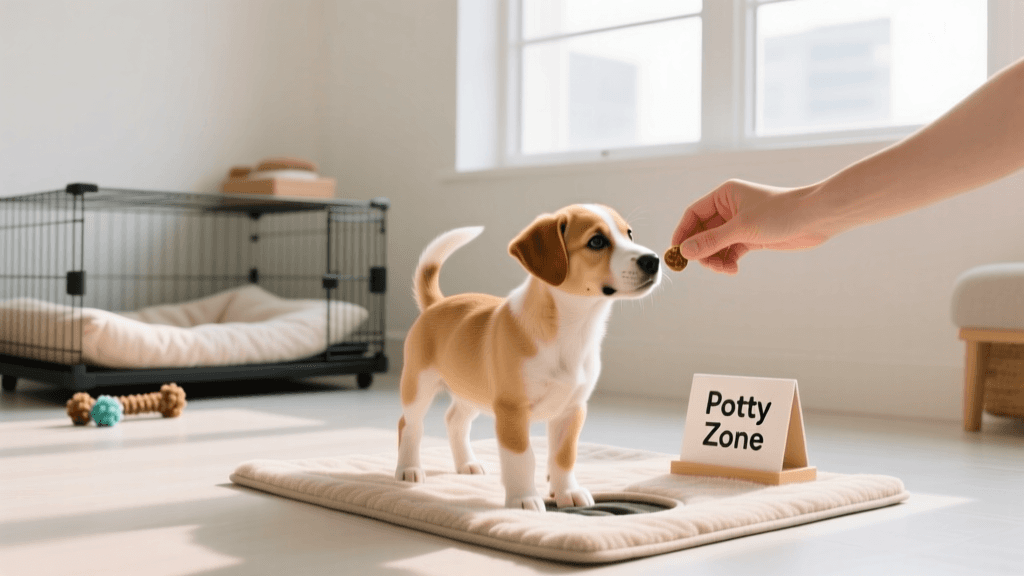
Mark Evans, CPDT-KA: Potty training begins the second your dog's paws touch your property. Do not wait until they are 'settled in.' The secret to housebreaking is managing their environment and anticipating their biological needs. For a young puppy, take them outside every two hours, and immediately after they wake up from a nap, finish a meal, or engage in vigorous play.
Choose a specific potty spot in your yard and use a consistent verbal cue, like 'Go Potty.' When they eliminate, reward them immediately with a high-value treat, such as small pieces of boiled chicken or Zuke's Mini Naturals. Accidents will happen. When they do, never punish the dog. Simply clean the area thoroughly with an enzymatic cleaner like Nature's Miracle Advanced Stain and Odor Eliminator to break down the uric acid crystals and prevent them from returning to the same spot.
Q: What is the best approach to crate training?
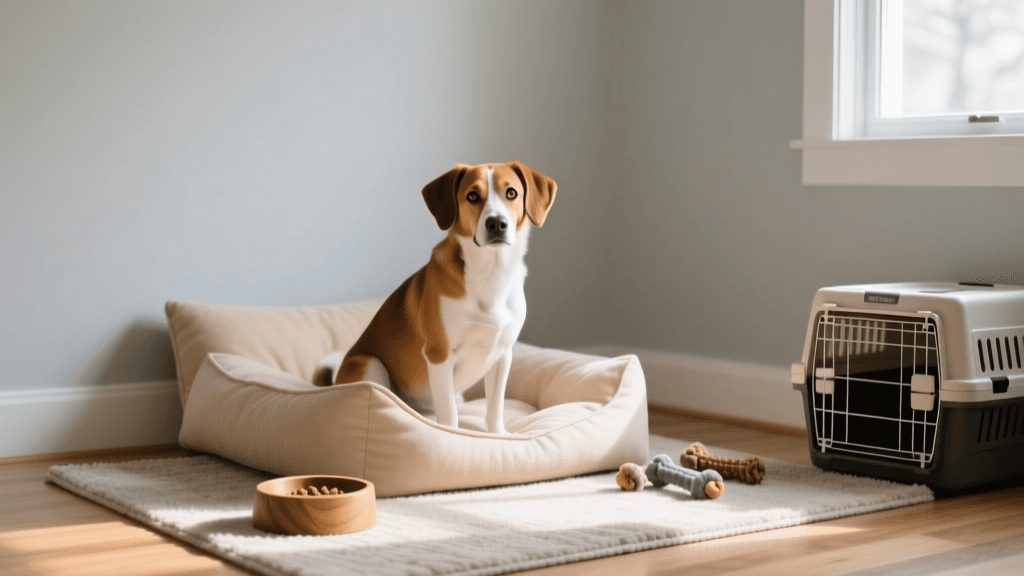
Mark Evans: A crate is not a jail; it is a sanctuary. Dogs are den animals by nature, and a properly sized crate taps into their instinct to keep their sleeping area clean, which naturally aids in potty training. I recommend the MidWest Homes for Pets iCrate series. For a small breed puppy, a 24x18x19 inch crate with a divider panel is ideal. The dog should have just enough room to stand up, turn around, and lie down comfortably. If the crate is too large, they will use one corner as a bathroom.
To build a positive association, feed all their meals inside the crate with the door open. Provide a safe, long-lasting chew, like a KONG Classic Puppy Toy (the pink or blue rubber versions) stuffed with xylitol-free peanut butter and frozen. This keeps them occupied and creates a positive emotional response to being confined.
Q: How do I socialize a puppy before their vaccines are complete?
Mark Evans: This is the most common dilemma for new owners. The primary socialization window for puppies closes around 12 to 14 weeks of age, which often overlaps with their incomplete vaccination series. The Centers for Disease Control and Prevention (CDC) emphasizes the importance of preventive care, but veterinary behaviorists agree that the behavioral risk of under-socialization often outweighs the medical risk of disease if managed correctly.
Avoid high-risk areas like public dog parks or pet store floors. Instead, carry your puppy in a sling or use a pet stroller to expose them to the sights and sounds of traffic, crowds, and machinery. Invite friends and family over to your home, ensuring their adult dogs are fully vaccinated and temperamentally sound. Host 'puppy parties' where your dog can meet people of different ages, sizes, and wearing various accessories like hats and sunglasses.
First 30 Days Checklist and Cost Breakdown
Preparing your budget is just as important as preparing your home. Below is a structured breakdown of the essential tasks, products, and estimated costs you should anticipate during the first 30 days of dog ownership. For more comprehensive guides on long-term care, the ASPCA Dog Care resources offer excellent ongoing support.
| Item / Task | Estimated Cost | Timing / Frequency |
|---|---|---|
| Initial Vet Wellness Exam | $50 - $120 | Within 48 hours of adoption |
| Core Vaccines (DA2PP / Rabies) | $75 - $150 | Every 3-4 weeks until 16 weeks old |
| Flea, Tick, and Heartworm Meds | $40 - $80 | Monthly (Start at 8 weeks / 2 lbs) |
| Adjustable Crate & Bedding | $50 - $90 | Setup on Day 1 |
| Enzymatic Cleaner & Potty Pads | $25 - $40 | As needed for accidents |
| High-Quality Puppy/Adult Food | $50 - $85 | 7-day transition starting Day 1 |
| Basic Obedience / Socialization Class | $100 - $200 | Enroll by Week 3 |
Final Thoughts
The first 30 days with a new dog require patience, consistency, and a proactive approach to both health and behavior. By adhering to a strict veterinary schedule, managing your dog's environment to prevent behavioral mistakes, and investing time in positive socialization, you are building a resilient, well-adjusted companion. Remember that every dog learns at their own pace. Celebrate the small victories, lean on your veterinary and training professionals when you feel stuck, and enjoy the incredible journey of bonding with your new best friend.
priya-sutaria
All our authors care for dogs every day — read more of their work on the authors page.