Rescue Dog Bonding in 2026: Hand-Feeding & Scent Games
Discover how hand-feeding and scent puzzles build trust with your newly adopted rescue dog in 2026. Actionable 30-day bonding protocols and top gear picks.
The Critical First 30 Days: Why Traditional Play Isn't Enough
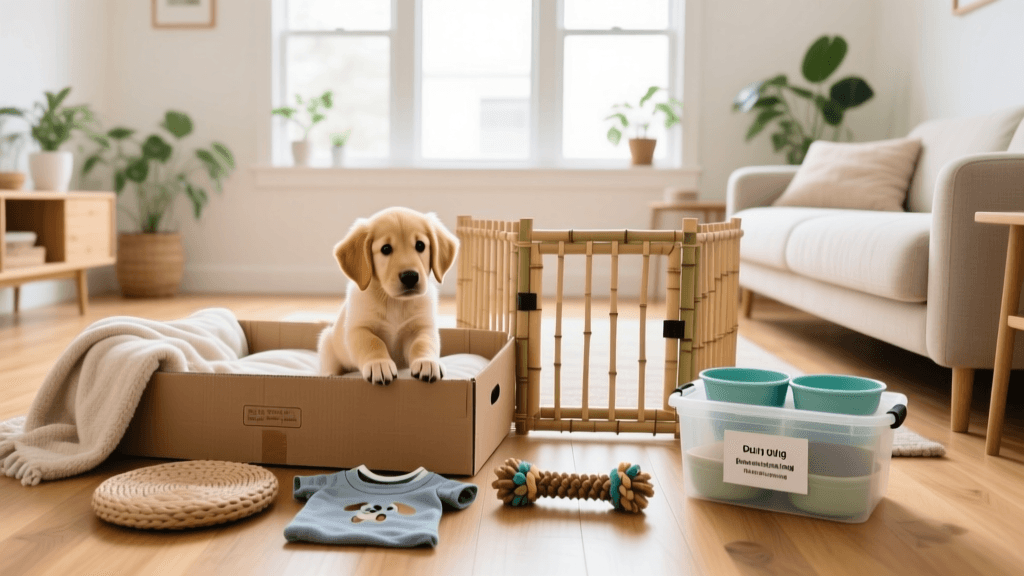
Adopting a rescue dog in 2026 remains one of the most profoundly rewarding decisions a person can make. However, the modern understanding of canine behavioral science has shifted significantly over the last few years. We now know that the traditional advice of 'giving them love and they will love you back' is often counterproductive during the critical first 30 days of adoption. When a dog transitions from a shelter environment to a new home, they experience immense sensory overload and stress. Forcing physical affection or high-energy play before they have decompressed can actually damage the foundational trust you are trying to build.
According to the ASPCA's comprehensive dog care guidelines, allowing a dog to decompress at their own pace is the single most important factor in a successful adoption. Instead of forcing interaction, the most effective bonding strategies in 2026 tap into a dog's primal instincts: eating and foraging. By utilizing structured hand-feeding protocols and targeted scent games, you can build a deep, unshakeable bond with your new rescue dog while simultaneously reducing their anxiety and building their confidence.
The Science of Hand-Feeding for Trust Building
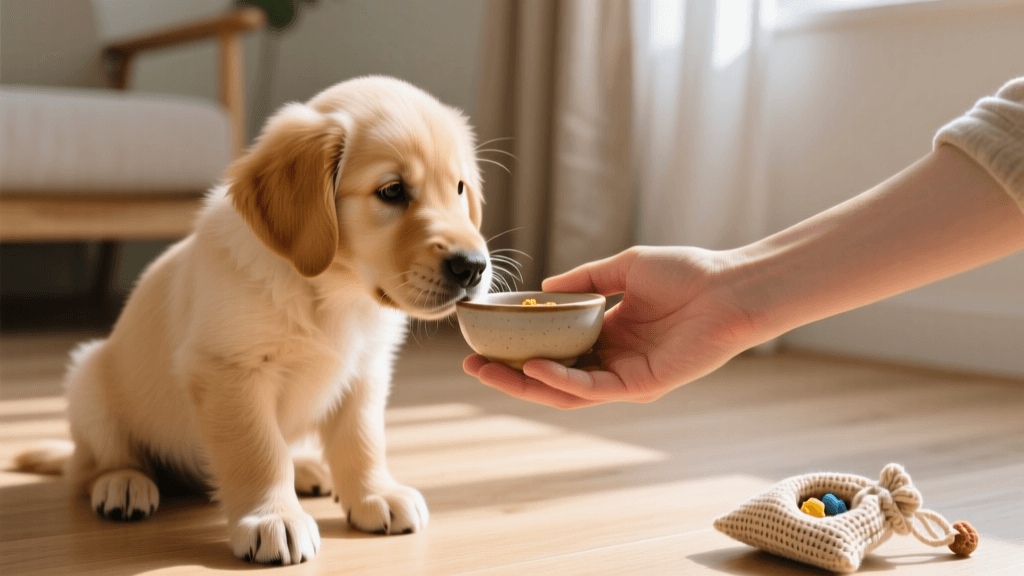
Hand-feeding is not merely a training exercise; it is a profound psychological tool. In a shelter, food is often viewed as a scarce resource, leading to anxiety, gulping, or even resource guarding. When you become the sole provider of high-value nutrition through hand-feeding, you rewire your dog's brain to associate your presence with safety, predictability, and positive outcomes.
In 2026, veterinary behaviorists strongly recommend hand-feeding for the first two weeks of adoption, especially for dogs displaying fear-based behaviors or mild resource guarding. This practice teaches the dog that human hands approaching their face or body are a source of goodness, not a threat of theft.
Step-by-Step Hand-Feeding Protocol
- Step 1: Ditch the Bowl. For the first 14 days, do not use a traditional food bowl. Measure out your dog's daily kibble or rehydrated freeze-dried raw food into a treat pouch.
- Step 2: The 'Say Please' Sit. Ask for a simple behavior, like a sit or making eye contact. The moment they comply, deliver a small handful of food directly from your palm.
- Step 3: Proximity Desensitization. If your dog is too fearful to take food from your hand, sit quietly on the floor at a distance. Toss high-value treats (like Stella & Chewy's freeze-dried beef liver, retailing around $22 per bag in 2026) near them. Gradually decrease the distance over several days until they are comfortable eating from your open palm.
- Step 4: Body Handling Pairing. Once the dog is eagerly eating from your hand, use your other hand to gently stroke their shoulder or chest while they chew. This builds positive associations with being touched while eating.
Scent Work: Tapping Into Your Rescue Dog's Brain
While hand-feeding builds interpersonal trust, scent work builds internal confidence. A dog's olfactory system is their primary way of interpreting the world. The olfactory bulb in a dog's brain is proportionally 40 times larger than a human's, and the act of sniffing actually lowers a dog's heart rate and releases dopamine. The American Kennel Club's expert training advice highlights that scent work and nose games are among the most effective ways to mentally exhaust a dog, which is crucial for high-anxiety rescues who may not be ready for long physical walks.
Mental fatigue achieved through 15 minutes of intense scent foraging is equivalent to an hour of physical running, but without the joint stress or the overstimulation that can trigger reactivity in newly adopted dogs.
Top 3 Scent Puzzles and Enrichment Gear for 2026
To implement a successful scent-based bonding routine, you need the right tools. Here are the top-rated enrichment products for rescue dogs in 2026, complete with current pricing and use-cases:
- The Paw5 Wooly Snuffle Mat ($49 - $55): This is the gold standard for beginner foraging. Made from upcycled, pet-safe yarn, it mimics the texture of tall grass. Simply scatter your dog's daily kibble into the deep folds. It is excellent for dogs who inhale their food, as it forces them to slow down and use their nose. It is also machine washable, a must-have for 2026 pet hygiene standards.
- Nina Ottosson Dog Brick Interactive Puzzle ($38 - $42): For dogs who master the snuffle mat quickly, this intermediate wooden/composite puzzle requires the dog to slide blocks and lift flaps to reveal hidden treats. It builds problem-solving confidence and requires you to sit with them and guide them, fostering cooperative bonding.
- Outward Hound Hide-A-Squirrel Plush Puzzle ($18 - $22): Ideal for soft-mouthed dogs and terriers. Stuff the plush tree trunk with the included squeaky squirrels (or roll them in a little peanut butter for a scent challenge). This taps into the prey-drive sequence in a safe, controlled manner, allowing you to engage in interactive 'hide and seek' games in your living room.
Your 30-Day Rescue Dog Bonding Schedule
Consistency is the language of trust. Below is a structured 30-day schedule designed to integrate hand-feeding and scent work into your daily routine, ensuring steady decompression and bond-building.
| Timeframe | Primary Focus | Daily Enrichment Activity | Bonding Goal |
|---|---|---|---|
| Week 1 (Days 1-7) | Decompression & Space | 100% Hand-feeding in a quiet, enclosed room. No forced walks. | Establish you as a safe, non-threatening provider of resources. |
| Week 2 (Days 8-14) | Routine & Predictability | Hand-feeding for basic commands (sit, touch). Introduce the Snuffle Mat for one meal a day. | Build communication and introduce low-stress mental stimulation. |
| Week 3 (Days 15-21) | Environmental Confidence | Transition to Nina Ottosson puzzles. Begin short, sniff-heavy 'decompression walks' on a long line. | Transfer trust from the home environment to the outside world. |
| Week 4 (Days 22-30) | Interactive Play & Bonding | Hide-and-seek with treats or the Hide-A-Squirrel toy. Reintroduce a slow-feeder bowl for one meal. | Solidify the human-dog bond through cooperative, joyful play. |
Troubleshooting Common Bonding Roadblocks
Even with the best protocols, rescue dogs can present unique challenges. Here is how to handle common issues during your first month:
My dog won't eat from my hand or the puzzle.
Stress suppresses the appetite. If your dog refuses high-value treats like freeze-dried liver or boiled chicken, they are likely over their stress threshold. Increase the distance between you and the dog, or leave the puzzle in their safe space and walk away. Let them eat in peace without the pressure of your gaze.
My dog gets frustrated and flips the puzzle.
This is common with intelligent, high-drive breeds. You have likely moved up the difficulty ladder too quickly. Return to the Snuffle Mat or simply scatter kibble on a blanket and roll it up like a burrito. The goal is to build confidence through success, not to test their IQ.
My dog guards the puzzle toy from other pets.
Resource guarding is a natural survival instinct in shelter dogs. During the first 30 days, all scent puzzles and hand-feeding sessions must be done in complete isolation from other household pets. Use baby gates or crates to ensure your new dog feels entirely secure while eating and foraging.
Conclusion: Patience is the Ultimate Bonding Tool
As we navigate the evolving landscape of canine care in 2026, the emphasis has rightfully shifted from obedience to emotional well-being. Bonding with a rescue dog is not about demanding their affection on day one; it is about creating an environment where they feel safe enough to offer it willingly. By replacing the food bowl with hand-feeding protocols and swapping mindless chewing for engaging scent puzzles, you are speaking your dog's native language. Stick to the 30-day schedule, respect their need for decompression, and watch as your newly adopted rescue transforms into a confident, deeply bonded companion.
aaron-whyte
All our authors care for dogs every day — read more of their work on the authors page.