Getting a Rescue Dog Before Moving: 2026 Prep Guide
Adopting a rescue dog before an interstate move? Discover our 2026 checklist for pet-friendly routing, travel gear, and easing transition stress.
The Reality of Adopting During a Major Life Transition
Bringing a new rescue dog into your life is a monumental decision, but doing it right before an interstate move adds a unique layer of complexity. In 2026, with remote work solidifying and cross-country relocations surging, many prospective owners are timing their adoptions around major life transitions. While some might advise waiting until you are fully settled, adopting a dog during a move can actually be highly beneficial if managed correctly. The shared experience of navigating a new environment can accelerate the bonding process between you and your new companion.
However, the key to success lies in meticulous preparation. A newly adopted dog is already processing a massive environmental shift from the shelter or foster home to your current residence. Adding a cross-country road trip and a second new home into the mix requires a structured, empathetic approach. According to the ASPCA's guide on moving with pets, maintaining routines and providing familiar scents are the most critical factors in reducing relocation-induced anxiety. This comprehensive guide will walk you through the exact steps, gear, and protocols needed to seamlessly transition your new rescue dog into their forever home during a major move.
Pre-Move Preparation: Scent Swapping and Safe Zones
Before the moving trucks arrive and your current home is filled with cardboard boxes, you must establish a baseline of security for your new dog. Dogs rely heavily on their olfactory senses to understand their environment. When adopting, bring a worn, unwashed t-shirt or a small blanket to the shelter and leave it in the dog's kennel or foster space for 24 to 48 hours before bringing them home. This allows the dog to associate your scent with safety.
As you begin packing, it is vital to maintain a "safe zone" in your current home—a single room where the dog's bed, toys, and water bowls remain completely untouched by the chaos of moving. Packing up the rest of the house can cause severe stress in rescue dogs, who may interpret the disappearing furniture as a sign of abandonment. Keep the safe zone intact until the very last day of your move. Furthermore, begin introducing travel-specific items early. Leave the travel crate open in the safe zone with high-value treats like frozen Kong toys filled with peanut butter, allowing the dog to enter and exit freely without the door being closed.
Choosing the Right Travel Gear for 2026 Road Trips
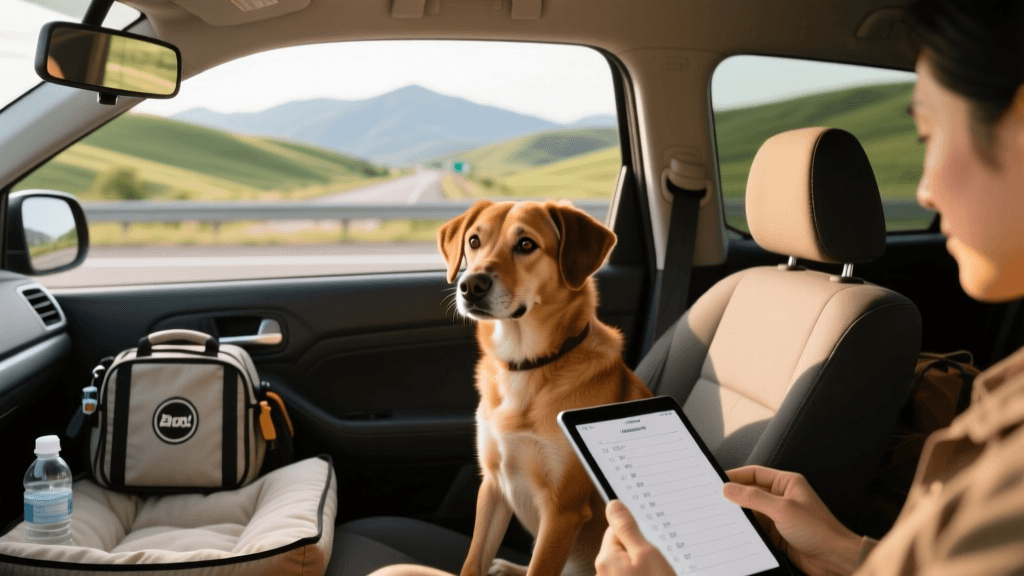
Highway safety standards for pets have evolved significantly. As of 2026, relying on a standard wire crate or a simple seatbelt tether is no longer considered safe for long-distance interstate travel. The Center for Pet Safety strongly recommends using independently crash-tested restraint systems to protect both the dog and the human passengers in the event of a sudden stop or collision.
Below is a comparison of the top-rated travel safety gear for your relocation road trip:
| Product Name | Type | 2026 Est. Price | Best Use Case | Safety Rating |
|---|---|---|---|---|
| Gunner Kennels G1 Intermediate | Rotomolded Crate | $699.00 | Highway driving, SUV/Cargo areas | 5-Star Crash Tested |
| Sleepypod Atom | Soft Carrier | $220.00 | Airline cabin, small dogs under 12 lbs | 5-Star Crash Tested |
| Kurgo Journey Air Harness | Restraint Harness | $85.00 | Short drives, rest stops, backseat | Dynamic Crash Tested |
| Fi Series 4 GPS Collar | Smart Tracking Collar | $149.00 | Rest stops, new neighborhood walks | N/A (Escape Prevention) |
Investing in a crash-tested crate like the Gunner G1 is non-negotiable for long highway stretches. For rest stops and potty breaks in unfamiliar territories, equipping your dog with a GPS-enabled collar like the Fi Series 4 provides immense peace of mind, allowing you to track their exact location via satellite if they become spooked and bolt in a new state.
Route Planning and Pet-Friendly Pit Stops
Driving cross-country with a rescue dog requires a fundamentally different itinerary than a standard road trip. You must plan your route around your dog's biological and emotional needs. Limit driving segments to a maximum of three to four hours before stopping for a 30-minute decompression break. In 2026, the infrastructure for pet travel is better than ever, with many highway rest areas featuring dedicated, fenced-in dog relief zones.
When booking overnight accommodations, avoid large, bustling chain hotels with high foot traffic and echoing hallways, which can trigger reactivity in a stressed rescue dog. Instead, utilize platforms like BringFido to locate standalone pet-friendly vacation rentals or motels with exterior-facing doors. This minimizes the number of strangers your dog encounters and allows for quick, quiet potty breaks right outside your room.
During the drive, climate control is paramount. If you are traveling in a modern electric vehicle, utilize the 2026 standard "Pet Mode" features (available in most Tesla, Rivian, and Hyundai models) which maintain a safe cabin temperature and display a message to passersby that the pet is safe, preventing well-meaning strangers from breaking your windows. Always keep the windows rolled up enough to prevent the dog from jumping out, and use a sunshade to block direct, anxiety-inducing visual stimuli from passing traffic.
The First 72 Hours: Implementing the 3-3-3 Rule
Upon arriving at your new home, the real transition begins. Animal behaviorists universally recommend the "3-3-3 Rule" for rescue dogs: 3 days to decompress, 3 weeks to learn your routine, and 3 months to truly feel at home. The first 72 hours are the most fragile.
"Do not expect your new dog to show their true personality immediately. The stress of a move, combined with the shelter transition, means your dog may sleep excessively, refuse food, or hide. This is a normal decompression response, not a sign of a failed adoption." — Humane Society's relocation resources
To facilitate this decompression, set up a single "basecamp" room before the dog arrives. This room should contain their crate, water, a long-lasting chew, and an Adaptil pheromone diffuser, which releases synthetic dog-appeasing pheromones proven to lower cortisol levels. Do not force the dog to explore the entire house on day one. Allow them to acclimate to the basecamp, and gradually open access to other rooms over the first week as they show confident, relaxed body language.
Updating Microchips and Local Vet Registries
Administrative tasks are easily overlooked during a chaotic move, but they are critical for your dog's safety. The moment your adoption paperwork is finalized, log into the microchip registry portal and update the contact information with your new address and your mobile phone number. If the dog escapes during the moving process or in the first few weeks at the new house, an outdated microchip registry is virtually useless.
Additionally, research and establish a relationship with a local veterinarian in your new city before you even pack the car. Request your current vet or the shelter's medical records be digitally transferred to the new clinic. Having a vet on standby in your new zip code ensures that if your dog experiences travel-induced gastrointestinal issues or stress-related illnesses upon arrival, you can secure an emergency appointment without scrambling to find a reputable clinic in an unfamiliar town. By blending strategic preparation with deep empathy for your dog's emotional state, you can turn a potentially stressful life transition into the foundation of a lifelong, unbreakable bond.
aaron-whyte
All our authors care for dogs every day — read more of their work on the authors page.