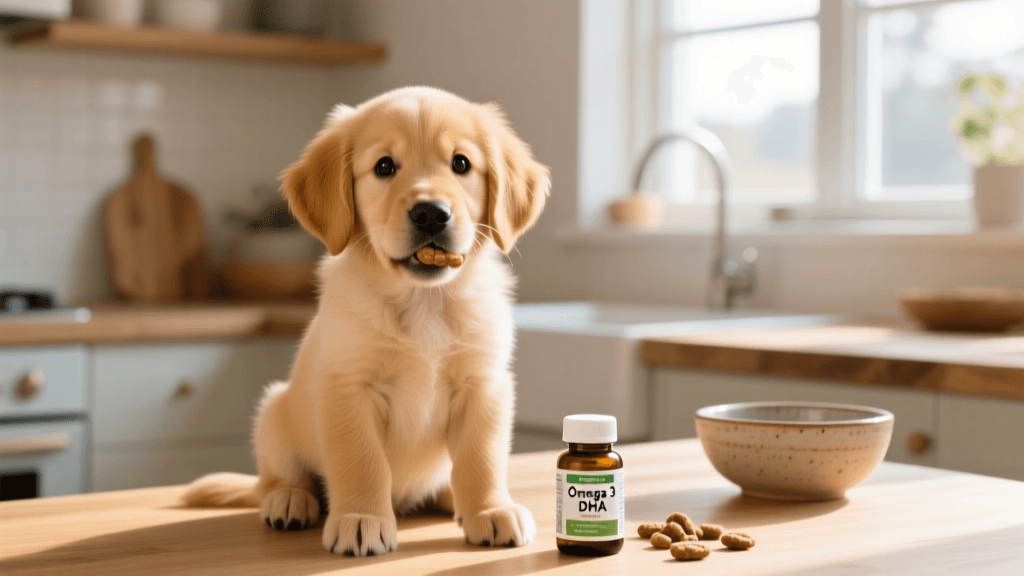
First-Month Dog Diet: Best Omega-3 Supplements 2026
Discover how to prep your new dog's diet with the best Omega-3 supplements in 2026. Learn DHA vs EPA dosages, formats, and a 14-day integration plan.
Bringing a new dog home is one of life’s most rewarding experiences, but the first thirty days are a critical window for establishing long-term health. While most new owners focus on crate training, socialization, and finding the right kibble, one vital nutritional component often slips through the cracks: Omega-3 fatty acids. As we navigate the evolving landscape of canine nutrition in 2026, veterinary science continues to highlight the profound impact of Omega-3s on a new dog’s cognitive development, joint preservation, and stress mitigation. Whether you are bringing home an eight-week-old puppy or adopting a senior rescue, understanding how to properly source, dose, and introduce Omega-3s is an essential part of your first-month preparation.
The Critical Role of Omega-3s During the Transition Period
The transition to a new home induces physiological stress. Changes in environment, diet, and routine elevate cortisol levels, which can temporarily suppress a dog’s immune system and trigger inflammatory responses. Omega-3 fatty acids, specifically Eicosapentaenoic acid (EPA) and Docosahexaenoic acid (DHA), act as powerful anti-inflammatory agents. For puppies, DHA is the primary structural fat in the brain and retina. Studies consistently show that puppies supplemented with adequate DHA during their first few months demonstrate superior trainability, problem-solving skills, and visual acuity. For adult or senior rescues, EPA plays a dominant role in managing systemic inflammation, supporting joint mobility after years of wear, and promoting a healthy skin barrier to combat shelter-related dermatitis.
DHA vs. EPA: Matching the Fatty Acid to Your Dog's Life Stage
According to the World Small Animal Veterinary Association (WSAVA), assessing a pet's nutritional status and tailoring supplementation to their specific life stage is a cornerstone of responsible ownership. When preparing your new dog's pantry, it is crucial to understand the difference between EPA and DHA, as commercial dog foods rarely contain therapeutic levels of these marine-derived fats. Most commercial kibbles rely on plant-based Omega-3s like ALA (alpha-linolenic acid) from flaxseed. However, dogs have a notoriously inefficient enzymatic pathway for converting ALA into the usable EPA and DHA forms. Therefore, direct marine or algal supplementation is required.
| Fatty Acid | Primary Benefit | Best For | 2026 Recommended Source |
|---|---|---|---|
| DHA | Brain & Retina Development | Puppies (8 weeks - 12 months) | Wild-caught Salmon Oil, Algal Oil |
| EPA | Joint & Inflammation Control | Adult & Senior Rescues | Krill Oil, Anchovy/Sardine Oil |
| ALA | Basic Coat Maintenance | All Ages (but poorly converted) | Flaxseed, Chia Seeds |
Krill Oil vs. Traditional Fish Oil: What's Best for Your New Arrival?
As you browse the aisles of your local pet boutique or search online marketplaces in 2026, you will inevitably encounter krill oil alongside traditional salmon or sardine oils. Understanding the structural differences between these two sources can significantly impact your new dog's absorption rates. Traditional fish oils contain Omega-3s primarily in the triglyceride form. While highly effective and generally more affordable, they require the dog's pancreas to secrete adequate digestive enzymes to break down the fats before absorption. Krill oil, on the other hand, binds its EPA and DHA to phospholipids. Phospholipids are the same structural fats that make up your dog's cell membranes, allowing for superior and more immediate cellular absorption. Furthermore, krill oil naturally contains astaxanthin, a potent antioxidant that gives krill its red color and acts as a natural preservative, drastically reducing the risk of oxidation. For a newly adopted rescue dog suffering from severe shelter-stress or malabsorption issues, a phospholipid-bound krill oil might offer faster systemic relief, though it typically comes at a premium price point compared to bulk liquid fish oils.
Evaluating Sourcing and Safety Standards
In 2026, the supplement market is saturated with pet wellness products, making quality control more important than ever. Fish oils are highly susceptible to oxidation (rancidity) when exposed to light, heat, or air. Feeding rancid oil to your new dog can actually increase oxidative stress and cause gastrointestinal upset—the exact opposite of your goal. When shopping for your first-month essentials, look for products that advertise a low TOTOX score (a measure of total oxidation) and are packaged in dark, UV-protective bottles or nitrogen-flushed pumps. Furthermore, heavy metal contamination remains a concern in marine products. Always verify that the brand utilizes molecular distillation and holds a certification from an independent third party like the International Fish Oil Standards (IFOS) program. The Tufts Cummings School of Veterinary Nutrition frequently advises pet owners to rely on veterinary-recommended brands that undergo rigorous batch testing, rather than unverified online marketplace supplements.
Storage, Handling, and Avoiding the Rancid Trap
One of the most common mistakes new dog owners make is leaving a bottle of liquid fish oil on a warm kitchen counter next to the stove. Omega-3 fatty acids are incredibly volatile. Once the seal is broken and the oil is exposed to oxygen, the degradation process accelerates rapidly. In 2026, top-tier manufacturers utilize nitrogen-flushing techniques during bottling to displace oxygen, but this protection vanishes the moment you press the pump. To ensure you are nourishing your new puppy rather than introducing harmful free radicals, strict storage protocols are non-negotiable. Always store liquid Omega-3 supplements in the refrigerator immediately after opening. Wipe the pump nozzle clean with a damp cloth after every use to prevent oil buildup, which can turn rancid and contaminate subsequent doses. If the oil develops a sharp, acrid, or intensely foul odor, it has oxidized and must be discarded immediately. A high-quality, fresh fish oil should smell mildly of the ocean, not overpowering. By treating your dog's Omega-3 supplement with the same care you would apply to perishable human foods, you guarantee that every dose delivers maximum anti-inflammatory and cognitive benefits during those vital first weeks at home.
How to Calculate and Safely Introduce the Dosage
Calculating the correct dosage is where many new owners falter. A general veterinary consensus for therapeutic support ranges from 50 to 100 milligrams of combined EPA and DHA per 10 pounds of body weight, though growing puppies may require higher concentrations of DHA specifically. Always consult your veterinarian during your new dog’s first wellness exam to establish a precise baseline. When introducing the supplement, a slow and steady approach is mandatory to avoid steatorrhea (fatty stools) or diarrhea.
Your 14-Day Omega-3 Integration Schedule
- Days 1-3: Introduce 25% of the target dose. Mix thoroughly into wet food or a high-value treat like plain pumpkin puree to mask the scent and encourage acceptance.
- Days 4-7: Increase to 50% of the target dose. Monitor stool consistency closely. If stools become soft, maintain this level for an extra three days before advancing.
- Days 8-11: Increase to 75% of the target dose. Ensure the oil is consistently stored in the refrigerator to maintain freshness and palatability.
- Days 12-14: Reach 100% of the target dose. Observe your dog’s coat texture, energy levels, and joint mobility as the fatty acids begin to incorporate into their cellular membranes.
Final Thoughts on First-Month Nutrition
Preparing for a new dog extends far beyond buying the right leash or setting up a cozy bed. By prioritizing a high-quality, properly dosed Omega-3 supplement during those crucial first thirty days, you are actively investing in your dog’s neurological foundation, joint longevity, and immune resilience. As you embark on this incredible journey of companionship in 2026, let science-backed nutrition guide your first steps toward a vibrant, healthy life together.
hannah-wickes
All our authors care for dogs every day — read more of their work on the authors page.