Expert Q&A: Surviving The First 48 Hours With A Rescue Dog
Vets and trainers answer top questions about the first 48 hours with a rescue dog. Learn decompression tips, setup costs, and essential gear.

Expert Q&A: Navigating the First 48 Hours With Your New Rescue Dog
Bringing a rescue dog home is a monumental, life-changing event. However, the transition from a noisy, stressful shelter environment to a quiet home can be overwhelming for both the dog and the new owner. The first 48 hours are the most critical window for setting the tone of your new relationship. To help you navigate this crucial period, we sat down with Dr. Elena Rostova, a veterinarian specializing in shelter medicine, and Marcus Thorne, a Certified Professional Dog Trainer (CPDT-KA) with over a decade of rescue rehabilitation experience.
Together, they answer the most pressing questions new adopters face, from managing separation anxiety and potty accidents to understanding the biological stress responses of newly adopted dogs.
Q1: What is the '3-3-3 Rule' and how does it apply to the first 48 hours?
Marcus Thorne (Trainer): The 3-3-3 rule is a general timeline for rescue dog decompression. It suggests that a dog needs 3 days to decompress from the shelter, 3 weeks to learn your routine and start showing their true personality, and 3 months to truly feel at home and build trust. The first 48 hours fall squarely into that initial 3-day decompression phase. During this time, your dog is likely running on adrenaline and cortisol. They may shut down, hide, or exhibit hyperactive pacing. Your primary goal during the first two days is not training; it is providing a quiet, predictable, and low-stress environment. Do not invite friends over, do not take them to busy parks, and do not overwhelm them with new toys.
Q2: How should I set up my home before bringing the dog inside?
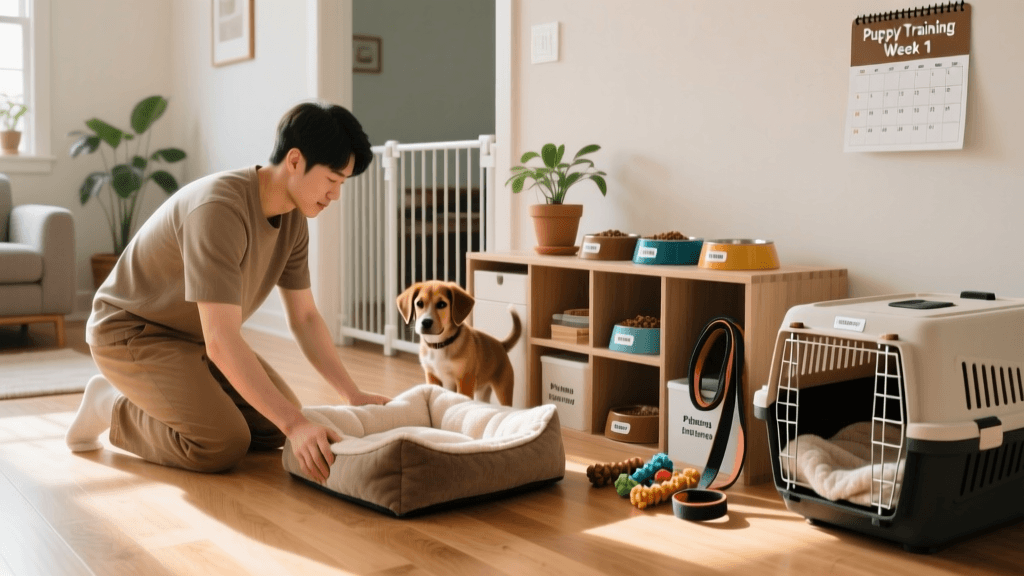
Dr. Elena Rostova (Vet): I always advise adopters to set up a 'safe room' or a designated decompression zone before the dog arrives. Giving a newly adopted dog free roam of the entire house is a recipe for anxiety and accidents. Choose a quiet room, like a spare bedroom or a gated-off section of the living room, and equip it with the essentials. This limits their spatial awareness to a manageable size, making them feel secure.
Below is a breakdown of the essential gear you should have ready in the safe room, along with estimated costs to help you budget for the first 48 hours.
| Item | Purpose | Recommended Product | Est. Cost |
|---|---|---|---|
| 36-Inch Wire Crate | Safe den space and sleep area | Midwest iCrate Double Door | $55 - $75 |
| Heartbeat Toy | Anxiety reduction and comfort | SmartPetLove Snuggle Puppy | $40 - $50 |
| Enzymatic Cleaner | Accident cleanup and odor removal | Nature's Miracle Advanced | $15 - $20 |
| Pheromone Diffuser | Calming environmental cues | Adaptil Dog Calming Diffuser | $25 - $35 |
| 6-Foot Nylon Leash | Controlled potty breaks | Mendota Products Slip Lead | $15 - $20 |
| Probiotic Supplement | Gut health and stress management | Purina Pro Plan FortiFlora | $30 - $35 |
Q3: Should I take my new dog to the vet immediately on Day 1?
Dr. Elena Rostova (Vet): Unless there is an obvious, severe medical emergency, absolutely not. The shelter environment is highly stressful, and the car ride to your home adds to that burden. Taking them straight to a veterinary clinic on Day 1 spikes their cortisol levels even higher, which can temporarily suppress their immune system. According to the American Veterinary Medical Association, minimizing stress is vital for maintaining a strong immune response in newly adopted animals. Wait 3 to 5 days to let them settle, then schedule a standard wellness exam. This also gives you time to monitor them for any incubating illnesses, like kennel cough, which typically takes 2 to 14 days to show symptoms after exposure.
Q4: How do I handle potty training during the first two days?
Marcus Thorne (Trainer): Assume your rescue dog is not house-trained, even if the shelter notes say they are. The stress of a new environment frequently causes regression. For the first 48 hours, use the 'umbilical cord' method. Keep your dog on a 6-foot leash attached to your belt or a heavy piece of furniture in the same room as you. Take them outside on that same leash every 2 hours, and immediately after eating, drinking, or waking up. Use high-value treats, like Zuke's Mini Naturals, to reward them the exact second they finish eliminating outdoors. Never use a retractable leash for potty breaks; you need close control to prevent them from wandering off to sniff instead of doing their business.
Q5: What should I do if my dog cries or whines all night?
Dr. Elena Rostova (Vet): Nighttime crying is incredibly common and usually stems from isolation distress rather than physical pain. Dogs are social animals, and sleeping alone in a strange place is terrifying for them. To mitigate this, place the crate in your bedroom where they can hear and smell you. Cover the top and sides of the crate with a breathable blanket to create a den-like atmosphere and block out visual stimuli.
Marcus Thorne (Trainer): I highly recommend the SmartPetLove Snuggle Puppy. It features a battery-operated heartbeat simulator and a disposable heat pack that mimics the physical sensation of sleeping next to a littermate. Pair this with a white noise machine placed near the crate to drown out household creaks and outdoor noises. If they whine, wait for a brief moment of silence before offering a quiet verbal reassurance. Do not let them out of the crate while they are actively crying, or you will inadvertently train them that crying equals freedom.
Q6: Should I change their food to a premium brand right away?
Dr. Elena Rostova (Vet): Please do not change their diet on Day 1. Stress naturally causes gastrointestinal upset in dogs. If you abruptly switch them from a low-quality shelter kibble to a rich, premium diet, you are almost guaranteeing severe diarrhea. Keep them on the exact same food the shelter was feeding them for at least the first 7 to 10 days. To support their digestive tract during the transition, sprinkle a canine probiotic like Purina FortiFlora over their meals. The Centers for Disease Control and Prevention also reminds owners to practice good hygiene, like washing hands thoroughly after handling dog food and waste, to prevent the spread of zoonotic pathogens during this vulnerable adjustment period.
Q7: How should I introduce my new rescue to my resident dog?
Marcus Thorne (Trainer): The worst mistake you can make is bringing the new dog through the front door and letting the dogs 'figure it out' in the living room. That is a territorial trap. Instead, have a family member or friend bring your resident dog to a neutral location, like a quiet park or an empty tennis court. Introduce them through parallel walking. Keep both dogs on leashes, walking in the same direction but with 10 feet of space between them. Gradually decrease the distance as both dogs remain relaxed. As highlighted by the Humane Society of the United States, patience and controlled, positive introductions are the bedrock of a peaceful multi-dog household. Only bring them into the home together once they have walked peacefully side-by-side for at least 20 minutes.
Final Thoughts on the First 48 Hours
The first two days with a rescue dog are about observation, routine, and decompression. By managing your expectations, preparing a dedicated safe space, and relying on expert-backed protocols, you lay the groundwork for a lifetime of trust. Remember, your dog has just experienced a massive life upheaval. Give them grace, give them time, and let the 3-3-3 rule guide your journey together.
marcus-aldridge
All our authors care for dogs every day — read more of their work on the authors page.