First-Time Dog Owner Home Prep and Budget Handbook
Discover essential home preparation steps and a realistic first-year budget for new dog owners. Your complete beginner's handbook to welcoming a dog.

Bringing a dog into your life is one of the most rewarding decisions you will ever make, but it is also a massive responsibility that requires careful planning. For first-time dog owners, the excitement of adoption or purchasing a puppy can sometimes overshadow the practical realities of pet care. This complete beginner's handbook focuses specifically on the crucial steps of preparing your home and establishing a realistic budget before your new dog ever steps through the door. By treating your preparation phase with the same seriousness as a major life event, you set the foundation for a smooth transition and a lifelong bond.
The Real Cost of Dog Ownership: Year One Budget
One of the most common mistakes new owners make is underestimating the financial commitment of dog ownership. The initial adoption fee or purchase price is merely the tip of the iceberg. According to the Humane Society of the United States, prospective owners must account for both upfront supplies and ongoing medical, nutritional, and preventative expenses. The first year is invariably the most expensive, as your dog will require core vaccinations, spaying or neutering (if not already done), microchipping, and a full suite of initial gear.
Below is a realistic breakdown of what you can expect to spend during your dog's first year. Keep in mind that these costs fluctuate based on your geographic location, the size of your dog, and any unexpected medical emergencies.
| Expense Category | Estimated Year-One Cost | Details and Considerations |
|---|---|---|
| Initial Supplies | $150 - $350 | Crate, bed, bowls, leash, collar, harness, baby gates, and cleanup supplies. |
| Medical & Preventatives | $400 - $900 | Core vaccines, rabies, spay/neuter, microchip, and monthly flea/tick/heartworm medication. |
| High-Quality Food | $400 - $800 | Varies heavily by size; premium kibble or fresh food diets cost more but promote long-term health. |
| Training & Socialization | $150 - $400 | Group obedience classes, puppy kindergarten, and high-value training treats. |
| Licensing & Insurance | $300 - $700 | Annual pet insurance premiums, local city/county licensing, and optional wellness plans. |
Creating a dedicated 'pet emergency fund' with at least $1,000 in savings is highly recommended to cover unexpected veterinary visits, such as gastrointestinal blockages or injuries, which are notoriously common in curious puppies and newly adopted rescue dogs.
Dog-Proofing Your Home: Room by Room Guide
Dogs, especially puppies and anxious rescues, explore the world with their mouths. What looks like a harmless household item to you can be a choking hazard or toxic threat to your dog. Dog-proofing is not just about hiding shoes; it is about systematically removing environmental dangers.
The Kitchen and Dining Areas
The kitchen is ground zero for dietary indiscretions. Invest in a heavy, locking trash can, such as the Simplehuman Dual Compartment Recycle Bin with a secure latch, to prevent your dog from scavenging dangerous items like cooked poultry bones, onion scraps, or xylitol-sweetened gum. Ensure all cleaning supplies are stored in high cabinets or secured behind child-proof latches. If your dog is tall or an agile jumper, counter-surfing will be an issue; use temporary deterrents like double-sided tape on the edges of counters during the training phase.
The Living Room and Bedrooms
Electrical cords are incredibly tempting for teething puppies. Use split-loom tubing or cord concealers to hide TV and lamp wires. Additionally, audit your houseplants. Many common indoor plants, including pothos, snake plants, and peace lilies, are highly toxic to dogs if ingested. Move these to high, inaccessible shelves or replace them with pet-safe alternatives like spider plants or Boston ferns. Secure any loose rugs with non-slip pads to prevent slipping, which can lead to joint injuries in growing puppies or senior dogs.
The Backyard and Entryways
Your yard must be a fortress. Walk the entire perimeter of your fence and look for gaps, loose boards, or areas where a determined digger could escape. For medium to large breeds, a minimum fence height of six feet is recommended to prevent jumping. Remove any toxic garden plants (such as sago palm or oleander) and ensure that cocoa mulch, which contains theobromine (the same toxic compound found in chocolate), is never used in your landscaping. At your entryways, install a sturdy baby gate, like the Regalo Easy Step Walk Thru Gate, to create an airlock system that prevents your dog from darting out the front door when guests arrive.
Essential Gear Shopping List
Walking into a pet store without a list is a guaranteed way to overspend on useless gadgets while forgetting the essentials. Stick to this curated list of functional, durable gear for your first month:
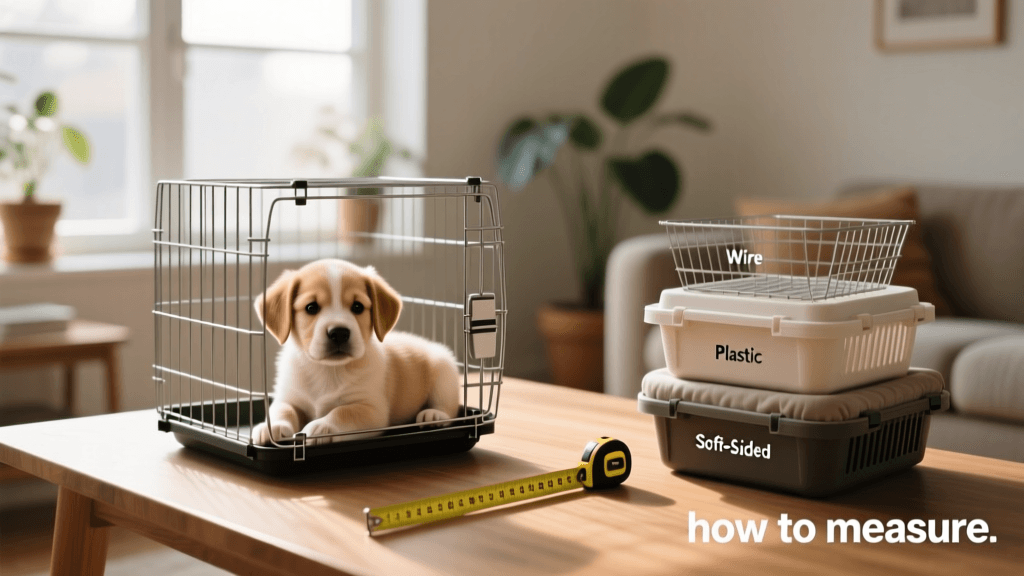
- The Crate: A wire crate with a divider panel, such as the MidWest Homes for Pets iCrate, allows you to adjust the space as your puppy grows. The crate should be just large enough for the dog to stand up, turn around, and lie down comfortably.
- The Harness: Avoid attaching leashes directly to a collar, which can damage a dog's trachea. The Ruffwear Front Range Harness offers both front and back clip options, providing excellent control for dogs that pull.
- The Leash: Skip the retractable leashes, which offer poor control and can cause severe friction burns. Purchase a standard 6-foot nylon or leather leash for safe neighborhood walks and training.
- Enrichment Toys: Mental stimulation is just as tiring as physical exercise. The Kong Classic (red or black rubber) can be stuffed with peanut butter and frozen to keep your dog occupied for hours while you work or leave the house.
- Enzymatic Cleaner: Accidents will happen. An enzymatic cleaner like Nature's Miracle breaks down the proteins in urine, completely eliminating the scent so your dog is not tempted to mark the same spot again.
Setting Up a Safe Zone and the 3-3-3 Rule
When bringing home a rescue or shelter dog, it is vital to understand the psychological transition they are undergoing. The ASPCA heavily advocates for patience and structured environments when introducing a shelter dog to a new home. To manage expectations, new owners should familiarize themselves with the '3-3-3 Rule' of dog adoption.
The First 3 Days: Your dog may feel overwhelmed, scared, and unsure of their new surroundings. They might not eat or drink normally, test boundaries, or hide in their crate. This is a time for decompression, not strict training.
The First 3 Weeks: Your dog is starting to settle in, figure out your routine, and let their true personality emerge. This is when behavioral issues or resource guarding may first appear as they feel comfortable enough to express themselves.
The First 3 Months: Your dog is finally building trust and a deep bond with you. They now understand that this is their forever home and feel secure in their environment.
To support this transition, set up a 'Safe Zone' before they arrive. This should be a quiet, low-traffic room (like a spare bedroom or a gated-off corner of the living room) containing their crate, water bowl, and a piece of clothing that smells like you. Do not force the dog to interact with guests or explore the whole house on day one; let them venture out of their safe zone at their own pace.
Pre-Arrival Logistics and Routine Building
The final step in your preparation handbook involves establishing your support network. Before your dog arrives, research and select a primary care veterinarian. Schedule a 'wellness and intake' exam within the first week of bringing your dog home. As noted by the American Kennel Club, establishing a relationship with a vet early ensures you have a baseline for your dog's health and a trusted advisor for vaccine schedules and dietary questions.
Additionally, map out your daily walking routes. Identify quiet streets with wide sidewalks to avoid overwhelming a new dog with heavy traffic or aggressive neighborhood dogs. Finally, sit down with all members of your household and agree on the 'House Rules.' Will the dog be allowed on the furniture? What are the designated potty spots in the yard? What command words will you use for 'sit,' 'down,' and 'leave it'? Consistency is the cornerstone of canine psychology. If one person lets the dog on the couch and another scolds them for it, you will create anxiety and confusion. By aligning your household rules, budget, and physical environment before day one, you are giving your new dog the greatest possible gift: a structured, safe, and loving place to call home.
hannah-wickes
All our authors care for dogs every day — read more of their work on the authors page.