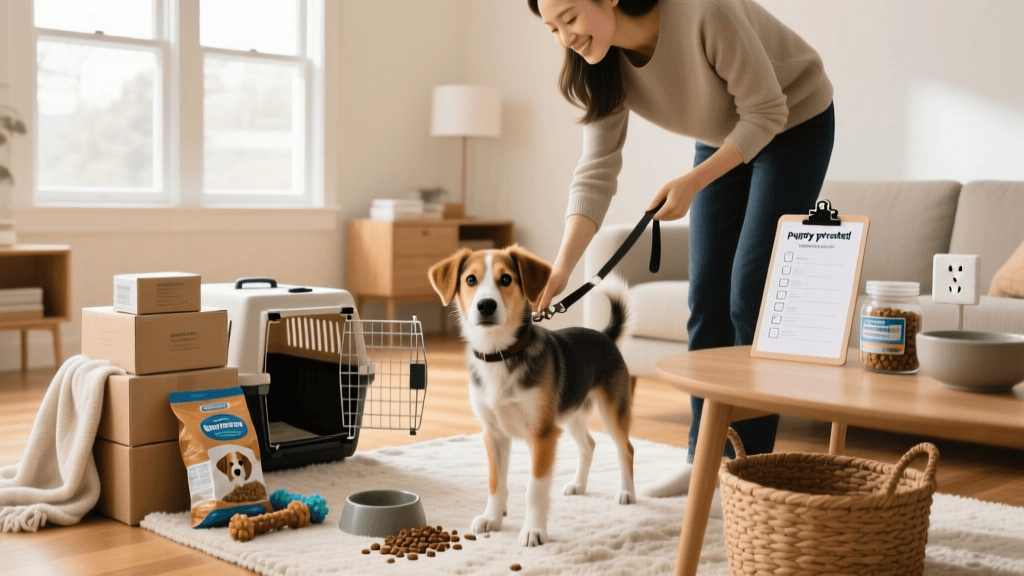
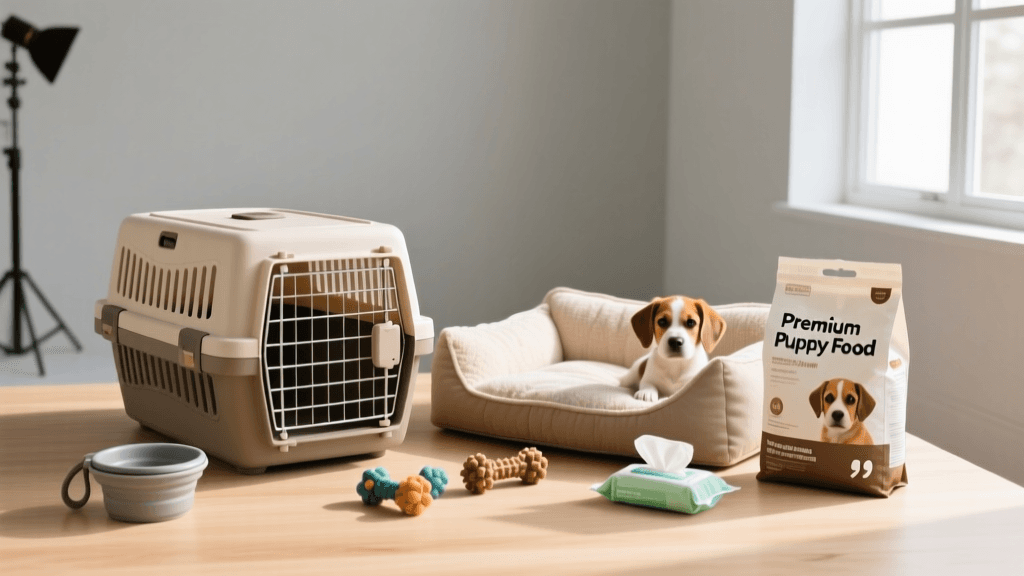
First Day Dog Mistakes: What NOT to Do When Preparing
Avoid common first-day dog mistakes. Learn what NOT to do when puppy-proofing, buying supplies, and welcoming your new pet home for a stress-free transition.

The Honeymoon Phase Trap
Bringing a new dog or puppy into your home is an exhilarating experience, but the excitement of the 'honeymoon phase' often blinds new owners to critical preparation errors. Many well-intentioned pet parents make costly, stressful, and sometimes dangerous mistakes before their new companion even crosses the threshold. Preparing for a dog is not just about buying cute toys and a comfortable bed; it is about creating a structured, safe, and psychologically supportive environment. In this guide, we will explore the most common 'What NOT to Do' warnings for first-day preparations, ensuring your transition from shelter or breeder to your living room is as seamless as possible.
Mistake 1: Buying the Wrong Crate Size (and Misusing It)
Many first-time owners mistakenly believe that a larger crate is always better, assuming their dog will appreciate the extra space to roam. Do not buy an oversized crate without a divider. Dogs are den animals, and a crate that is too large eliminates the psychological comfort of a cozy, enclosed space. More importantly, if a puppy has too much room, they will instinctively designate one corner for sleeping and the opposite corner for eliminating, completely undermining your housebreaking efforts.
The Fix: Purchase a wire crate with an adjustable divider panel, such as the MidWest Homes for Pets iCrate. The correct measurement requires your dog to be able to stand up without their head touching the top, turn around comfortably, and lie down stretched out. Measure from the tip of their nose to the base of their tail, and add exactly 2 to 4 inches. Never use the crate as a punishment zone; it must remain a positive sanctuary associated with high-value treats like frozen Kongs.
Mistake 2: Skipping the 'Crawl Test' for Puppy-Proofing
You might think your home is safe, but dogs experience the world from a completely different vantage point. Do not puppy-proof from a standing position. Human eye level misses the hazards that a curious, teething puppy will inevitably find. Furthermore, many owners forget that common household items are highly toxic to canines.
The Fix: Get down on your hands and knees and crawl through every room your dog will access. Look for dangling blind cords, loose electrical wires, and small objects like coins or children's toys. Invest in JOTO cable management sleeves to encase power cords and use baby gates, like the Regalo Easy Step Walk Thru Gate, to block off high-risk areas like kitchens and stairwells. Be hyper-aware of houseplants and dropped food. According to the ASPCA Animal Poison Control Center, common household plants like Sago Palms, Lilies, and Aloe Vera are highly toxic to dogs. Additionally, ensure no sugar-free gums or peanut butters containing Xylitol are left within reach, as even small amounts can cause fatal hypoglycemia and liver failure.
Mistake 3: Ignoring the 3-3-3 Adjustment Rule
One of the most heartbreaking mistakes new owners make is overwhelming the dog on day one. Do not invite friends and family over for a 'meet and greet' party during the first week. A new dog is experiencing massive sensory overload. Forcing them to interact with a parade of strangers can trigger fear-based aggression or severe anxiety, setting a negative tone for their socialization.
The Fix: Adhere strictly to the 3-3-3 Rule of dog adoption:
- 3 Days: The dog may feel scared, overwhelmed, and unsure of their surroundings. They might hide or refuse to eat. Give them space.
- 3 Weeks: The dog is starting to settle, figure out your routine, and show their true personality. Behavioral issues may start to surface as they test boundaries.
- 3 Months: The dog finally feels secure, realizes they are home, and has built a bond of trust with you.
As noted by the Humane Society of the United States, allowing your new dog to decompress in a quiet, low-stimulus environment for the first few days is critical for long-term behavioral stability. Keep the house calm, stick to a predictable schedule, and let the dog initiate contact.
Mistake 4: Buying the Wrong Collar and Skipping the Microchip
Walking into a pet supply store and grabbing the first cute collar you see is a recipe for disaster. Do not use a standard flat collar for a dog with a neck wider than their head, and never rely on a collar alone for identification. Breeds like Greyhounds, Whippets, and even Pugs can easily slip out of standard buckle collars, leading to terrifying escapes.
The Fix: For sight-hounds or escape artists, purchase a Martingale collar, which tightens slightly when pulled to prevent slipping without choking the dog. For standard breeds, a well-fitted flat nylon collar with a quick-release buckle is ideal. You should be able to slip exactly two fingers between the collar and the dog's neck. Most importantly, do not wait to microchip. The American Kennel Club (AKC) strongly recommends microchipping as the only permanent form of identification. Collars can break and tags can fall off, but a microchip ensures that if your dog ends up at a shelter, they can be scanned and returned to you immediately.
Mistake 5: Changing Their Diet on Day One
It is incredibly tempting to head to the premium pet food aisle and stock up on the most expensive grain-free kibble you can find. Do not abruptly change your new dog's food. The stress of moving to a new home already wreaks havoc on a dog's gastrointestinal tract. Introducing a completely new protein source or formula on day one is almost guaranteed to result in severe diarrhea, vomiting, and dehydration.
The Fix: Ask the shelter or breeder for a small bag of the exact food the dog has been eating. If you plan to switch to a higher-quality brand that meets WSAVA (World Small Animal Veterinary Association) guidelines, you must do so gradually over a 7 to 10-day period. Start by mixing 75% of the old food with 25% of the new food for three days, then move to a 50/50 split, followed by 25% old and 75% new, before fully transitioning.
First-Week Budget: Where to Spend vs. Where to Save
New dog owners often misallocate their budgets, overspending on aesthetic items while underfunding critical safety and training tools. Use the table below to guide your first-week purchases.
| Category | Where to SPEND (Do Not Skimp) | Where to SAVE (Do Not Overspend) |
|---|---|---|
| Confinement | Heavy-duty wire crate with divider ($60-$90) | Designer plush crate beds (Chew-proof canvas is better) |
| Safety | Professional microchip & premium baby gates ($40-$70) | Decorative wooden gates that lack hardware mounting |
| Walking | Front-clip no-pull harness (e.g., Ruffwear) ($30-$40) | Retractable leashes (Highly dangerous for training) |
| Enrichment | Durable puzzle toys & Kongs ($15-$25) | Cheap plush squeaky toys (Destroyed in minutes, choking hazard) |
| Cleaning | Enzymatic cleaner (e.g., Nature's Miracle) ($15) | Standard household ammonia cleaners (Encourages remarking) |
Final Thoughts
Getting a dog is a profound commitment that requires foresight, patience, and a willingness to prioritize the animal's needs over human conveniences. By avoiding these critical first-day mistakes—sizing crates correctly, puppy-proofing from the floor up, respecting the 3-3-3 adjustment period, securing proper identification, and transitioning food slowly—you lay the groundwork for a confident, well-adjusted companion. Preparation is the ultimate act of love; take the time to do it right before those paws ever touch your floor.
priya-sutaria
All our authors care for dogs every day — read more of their work on the authors page.