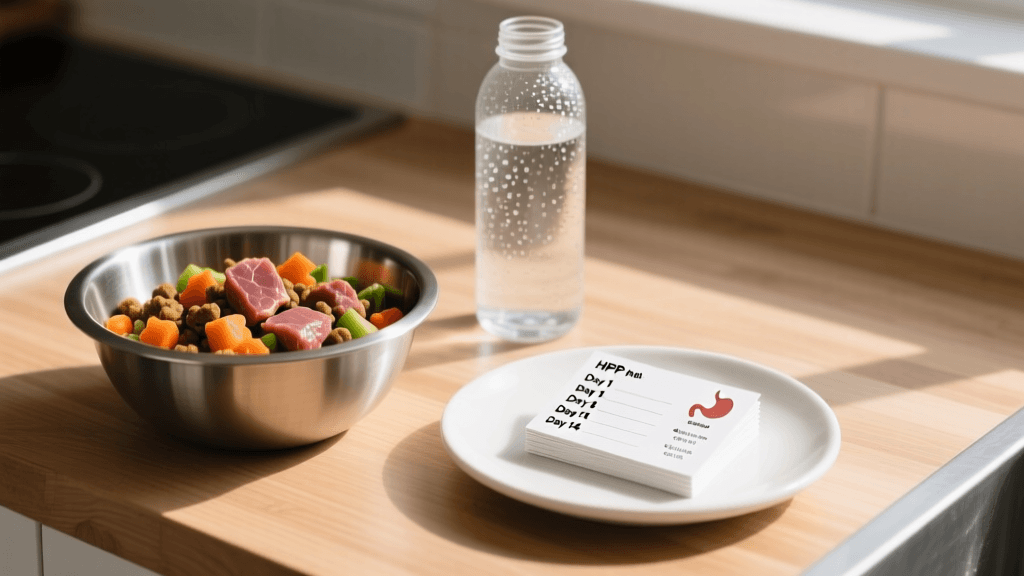
We Feed Raw 2026 Transition Protocol and Cost Guide
Discover the exact 14-day We Feed Raw HPP transition protocol for 2026. Includes daily feeding steps, gut health tips, and updated cost breakdowns.
The Evolution of Raw Feeding in 2026
As we navigate the pet nutrition landscape in 2026, the shift toward biologically appropriate, species-specific diets has never been more pronounced. Dog owners are increasingly moving away from highly processed extruded kibble and turning toward raw, fresh, and alternative diets to optimize their canine companions' longevity, joint health, and microbiome diversity. However, the raw food sector has also evolved significantly regarding safety standards. The days of blindly trusting untested, backyard-ground meat blends are over. Today, High-Pressure Processing (HPP) is the undisputed gold standard for commercial raw diets, effectively neutralizing dangerous pathogens without the use of heat, thereby preserving the delicate enzymes and bioavailable nutrients that make raw feeding so beneficial.
While the FDA outlines specific safety concerns regarding raw pet food diets, the advent of advanced HPP technology has bridged the gap between biological appropriateness and modern food safety. Among the premium brands leading this charge in 2026 is We Feed Raw, a company that formulates recipes based on the latest veterinary nutritional research. Transitioning your dog to a raw diet, however, is not as simple as swapping out the food bowl contents overnight. It requires a meticulous, phased approach to allow your dog's gastrointestinal tract and enzymatic output to adapt.
Understanding High-Pressure Processing (HPP)
Before diving into the transition protocol, it is vital to understand why HPP matters in 2026. HPP involves subjecting the sealed, packaged raw food to immense hydrostatic pressure—up to 87,000 psi. This pressure crushes the cellular structure of harmful bacteria like Salmonella, Listeria, and E. coli, rendering them inert. Crucially, because no heat is applied, the molecular structure of proteins, vitamins, and probiotics remains entirely intact. This aligns perfectly with the WSAVA global nutritional guidelines, which emphasize the importance of nutrient bioavailability and digestibility in canine diets. When you feed an HPP-treated raw diet, you are delivering the ancestral nutrition of a raw prey model with the microbial safety profile of a cooked product.
The 14-Day We Feed Raw Transition Protocol
Dogs possess highly adaptable digestive systems, but sudden dietary shifts can lead to gastrointestinal upset, including diarrhea, vomiting, and excessive gas. The following 14-day protocol is specifically designed for transitioning an adult dog from a traditional kibble or canned diet to a We Feed Raw HPP diet. Puppies and senior dogs with compromised digestion may require an extended 21-day timeline.
Phase 1: Days 1 to 4 (25% Raw / 75% Current Diet)
During the first four days, your primary goal is introduction, not full nutritional replacement. Mix 25% of the We Feed Raw patties (thawed) with 75% of your dog's current food. If you are feeding kibble, it is highly recommended to feed the raw and kibble in separate bowls or at slightly different times of the day. Raw meat digests much faster (typically in 4 to 6 hours) compared to kibble (which can take 10 to 14 hours). Separating them prevents the kibble from slowing down the transit time of the raw meat, which can occasionally cause fermentation and gas in sensitive stomachs.
Phase 2: Days 5 to 8 (50% Raw / 50% Current Diet)
As you reach the halfway mark, increase the We Feed Raw portion to 50%. At this stage, closely monitor your dog's stool quality. It is entirely normal for the stool to become slightly softer or for the frequency of bowel movements to increase temporarily as the gut microbiome shifts. To support the digestive tract during this vulnerable window, introduce a canine-specific probiotic or a tablespoon of plain, unsweetened pumpkin puree to each meal. The added soluble fiber will help firm the stool and feed beneficial gut bacteria.
Phase 3: Days 9 to 12 (75% Raw / 25% Current Diet)
By day nine, your dog's stomach acid will have begun to naturally lower its pH in anticipation of processing a heavier, meat-based diet. The 75% raw ratio is where you will see the most dramatic changes in your dog's energy levels and coat condition. The bioavailable omega-3 and omega-6 fatty acids present in We Feed Raw's venison and salmon recipes begin to reduce systemic inflammation. Continue to monitor hydration; raw diets contain roughly 70% moisture, meaning your dog will likely drink significantly less water from their bowl than they did on a dry kibble diet.
Phase 4: Days 13 to 14 (100% Raw)
You have arrived at the finish line. Completely eliminate the old diet and feed 100% We Feed Raw. You will likely notice that your dog's stool volume has decreased by up to 50%. This is a hallmark sign of a highly digestible, species-appropriate diet; because the body is utilizing almost all the nutrients, there is very little waste left over. The stool should be firm, well-formed, and notably less odorous.
2026 Cost Breakdown: Is We Feed Raw Worth It?
One of the most common barriers to raw feeding is the perceived cost. In 2026, premium HPP raw diets generally range from $11.00 to $16.00 per pound, depending on the protein source and the size of the bulk order. Below is a detailed cost analysis based on the caloric requirements of active adult dogs, assuming an average cost of $13.50 per pound for a mixed-protein We Feed Raw subscription.
| Dog Weight | Daily Caloric Need | Daily Raw Intake (lbs) | Estimated Monthly Cost (2026) |
|---|---|---|---|
| 20 lbs (Small) | ~450 kcal | 0.45 lbs | $182.25 |
| 50 lbs (Medium) | ~900 kcal | 0.90 lbs | $364.50 |
| 80 lbs (Large) | ~1,350 kcal | 1.35 lbs | $546.75 |
| 120 lbs (Giant) | ~1,800 kcal | 1.80 lbs | $729.00 |
Note: Costs can be reduced by 10-15% by utilizing auto-ship subscription models and purchasing in 30-pound bulk boxes rather than smaller 10-pound trial boxes. Many owners in 2026 also opt for a 50/50 hybrid feeding model, mixing a high-quality air-dried or freeze-dried topper with a base of gently cooked fresh food to manage budgets while retaining raw benefits.
Crucial Handling and Hygiene Practices
Even with HPP technology, safe handling practices are non-negotiable. The American Kennel Club emphasizes strict hygiene protocols when managing any raw or fresh meat diet in a household, especially those with immunocompromised humans or young children.
- Thawing: Never thaw raw patties on the kitchen counter at room temperature, and never use a microwave. Microwaving will cook the bone fragments (if present in the formula) and destroy the heat-sensitive enzymes. Always thaw patties in a sealed container on the bottom shelf of your refrigerator for 12 to 24 hours.
- Preparation Surfaces: Use a dedicated cutting board and utensils for your dog's raw food. Do not use the same knife or board that you use for human vegetable preparation.
- Bowl Cleaning: Wash your dog's food bowls with hot, soapy water immediately after every meal. Do not let raw residue sit in the bowl. Stainless steel or high-grade ceramic bowls are highly recommended in 2026, as plastic bowls develop micro-scratches that can harbor bacteria over time.
- Storage: Once a patty is fully thawed in the refrigerator, it must be consumed within 72 hours. If you thaw too many, they can be safely refrozen once, though this may slightly degrade the texture and moisture content.
Troubleshooting Common Transition Hurdles
While the 14-day protocol is highly effective, some dogs are notoriously stubborn or possess highly sensitive digestive tracts. Here is how to handle the most common issues encountered during the transition to We Feed Raw.
Persistent Loose Stools
If your dog experiences diarrhea that lasts more than 48 hours during Phase 2 or 3, halt the transition immediately. Drop the raw percentage back down to the last phase where their stool was normal and hold there for an additional 5 days. Incorporate a high-quality bone broth (ensure it contains no onions or garlic) and a canine-specific soil-based probiotic (SBO) to help rebuild the mucosal lining of the gut. If diarrhea persists beyond a week, consult your veterinarian to rule out underlying conditions like Exocrine Pancreatic Insufficiency (EPI) or inflammatory bowel disease (IBD).
Food Refusal and Picky Eating
Dogs accustomed to the artificial flavor enhancers and fat coatings found on commercial kibble may initially turn their noses up at whole, unadulterated raw meat. If your dog refuses the We Feed Raw patties, try gently warming the food. Place the thawed patty in a ziplock bag and submerge it in a bowl of warm (not hot) water for five minutes. This mimics the body temperature of fresh prey and releases the natural aromas of the meat, which is highly stimulating to a dog's olfactory senses. Avoid adding high-value treats or toppers to the raw food, as this will only teach the dog to hold out for something better.
Detoxification Symptoms
Some holistic veterinarians recognize a brief 'detox' period when a dog switches from a highly processed diet to a fresh, whole-food diet. You may notice mild symptoms such as a temporary increase in ear wax, a slight oily sheen on the coat, or minor tear staining. This is generally the body's way of mobilizing and eliminating stored cellular waste. Ensure your dog has access to plenty of fresh, filtered water, and consider adding a milk thistle supplement to support liver function during this metabolic shift. These symptoms typically resolve within three to four weeks.
Final Thoughts on Fresh Feeding
Transitioning to a We Feed Raw HPP diet in 2026 is an investment in your dog's long-term vitality. While the upfront cost and the strict handling protocols require a higher level of commitment than simply pouring kibble from a bag, the dividends paid in the form of reduced veterinary bills, vibrant energy, and optimal digestive health are immeasurable. By respecting the 14-day transition timeline, prioritizing kitchen hygiene, and closely monitoring your dog's individual biological feedback, you are setting the stage for a healthier, happier, and more biologically aligned life for your canine companion.
hannah-wickes
All our authors care for dogs every day — read more of their work on the authors page.