Omega-3 For Dogs: Decoding Brain Chemistry And Behavior 2026
Discover how Omega-3 fatty acids (EPA & DHA) influence canine brain chemistry, reduce anxiety, and support cognitive health in senior dogs this 2026.
Understanding the Canine Mind: Beyond Training and Environment
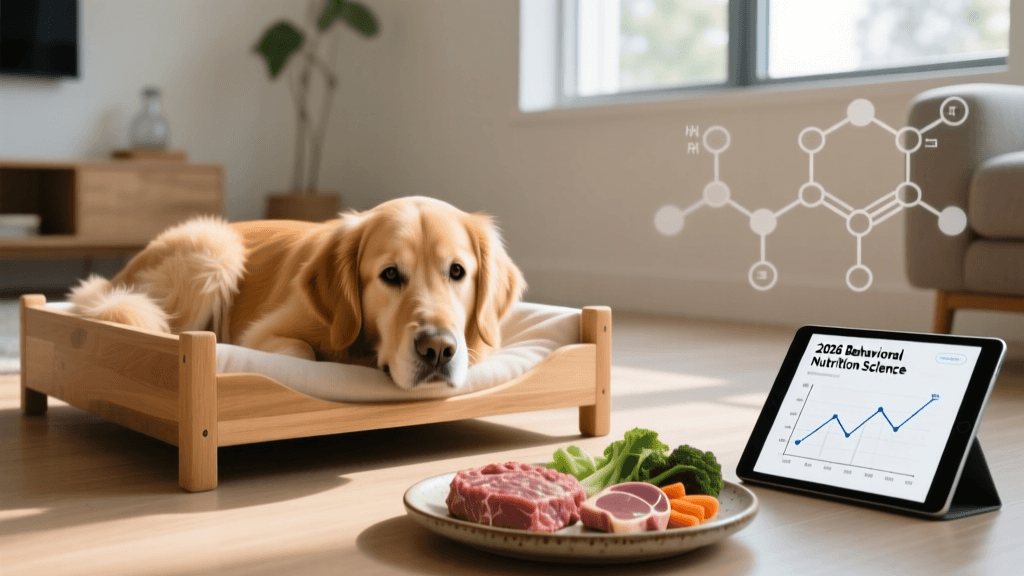
As dog owners and canine behavior enthusiasts in 2026, we have access to more advanced behavioral science than ever before. Yet, many still view behavioral issues—such as chronic anxiety, hyperactivity, fear-based reactivity, or age-related confusion—strictly through the lens of training, socialization, and environment. While positive reinforcement and environmental management are foundational, veterinary neurologists and behavioral scientists increasingly point to a hidden, biological driver of canine behavior: neuro-nutrition. Specifically, the critical role of Omega-3 fatty acids in shaping brain chemistry, modulating mood, and preserving cognitive function.
Understanding your dog means understanding the biological hardware that processes their world. If the brain's cellular membranes lack the necessary structural fats, or if the nervous system is compromised by chronic inflammation, no amount of obedience training can fully resolve the underlying behavioral friction. By examining the neurological impact of Eicosapentaenoic Acid (EPA) and Docosahexaenoic Acid (DHA), we can decode why our dogs act the way they do and provide targeted biological support for their mental well-being.
Neuroinflammation and the Roots of Canine Anxiety
When we attempt to understand an anxious or reactive dog, we often look at past trauma or lack of early socialization. However, modern veterinary psychiatry recognizes that chronic stress triggers a physiological response that can physically alter the canine brain. Prolonged exposure to stress hormones like cortisol leads to neuroinflammation—a state where the brain's immune cells (microglia) become overactive, releasing inflammatory cytokines that disrupt neurotransmitter balance, particularly serotonin and dopamine.
This is where EPA, a potent anti-inflammatory Omega-3 fatty acid, becomes a vital tool in behavioral management. EPA crosses the blood-brain barrier and actively inhibits the production of pro-inflammatory cytokines. By reducing neuroinflammation, EPA helps restore the brain's chemical equilibrium, making dogs more receptive to behavioral modification and less prone to sudden fear-based reactivity. According to research highlighted by the Tufts University Cummings Veterinary Medical Center, the anti-inflammatory properties of Omega-3s are not just beneficial for joint health; they are fundamental to managing systemic and neurological inflammation that directly impacts a dog's mood and stress resilience.
The Gut-Brain Axis and Canine Behavior
The connection between a dog's stomach and their brain is another frontier in understanding canine psychology. The gut-brain axis relies heavily on the vagus nerve to communicate the state of the microbiome to the central nervous system. Omega-3 fatty acids help maintain the integrity of the intestinal lining, preventing 'leaky gut' syndrome, which is a known trigger for systemic inflammation that eventually reaches the brain. A dog suffering from unexplained irritability or sudden-onset anxiety may actually be experiencing gut-derived neuroinflammation, making high-quality Omega-3 supplementation a critical first step in behavioral rehabilitation.
DHA and the Developing Puppy Brain
Understanding puppy behavior requires recognizing the rapid neurological development occurring in their first year of life. Puppies are notoriously impulsive, struggle with bite inhibition, and have short attention spans. While this is developmentally normal, the structural foundation of their brain is heavily dependent on DHA (Docosahexaenoic Acid).
DHA is a primary structural component of the cerebral cortex, the area of the brain responsible for memory, language, creativity, emotion, and attention. In 2026, leading canine developmental behaviorists emphasize that puppies raised on DHA-enriched diets demonstrate significantly better impulse control, faster maze navigation, and improved trainability compared to those with DHA-deficient diets. If you are trying to understand why a puppy is failing to retain basic cues or is exhibiting extreme hyperactivity, evaluating their early neuro-nutritional intake is essential. Providing adequate DHA during the critical socialization window (up to 16 weeks) and through adolescence builds the physical neural pathways required for emotional regulation.
Cognitive Dysfunction Syndrome (CDS) in Senior Dogs
One of the most heartbreaking aspects of dog ownership is witnessing the behavioral decline associated with aging. Canine Cognitive Dysfunction Syndrome (CDS) is the veterinary equivalent of Alzheimer's disease. Understanding CDS means recognizing that behaviors like staring blankly at walls, getting stuck in corners, forgetting lifelong house-training, or experiencing severe night-time pacing are not 'bad habits'—they are the result of oxidative stress and neuronal cell death.
Omega-3 fatty acids, particularly DHA, are highly concentrated in the brain's synapses. They protect neuronal membranes from oxidative damage and support the production of Brain-Derived Neurotrophic Factor (BDNF), a protein that encourages the growth of new neurons and synapses. While Omega-3s cannot cure CDS, early and consistent intervention can slow the progression of cognitive decline, preserving your senior dog's personality and connection to you for longer.
EPA vs. DHA: Matching the Fatty Acid to the Behavioral Need
Not all Omega-3s serve the same behavioral function. To truly support your dog's psychological and neurological health, you must understand the distinct roles of EPA and DHA. Below is a breakdown of how to match the fatty acid profile to your dog's specific behavioral or cognitive needs.
| Behavioral / Cognitive Need | Primary Omega-3 Target | Mechanism of Action | Ideal EPA:DHA Ratio |
|---|---|---|---|
| Chronic Anxiety & Reactivity | EPA | Reduces neuroinflammation and modulates stress-response cytokines. | High EPA (2:1 or 3:1) |
| Puppy Trainability & Impulse Control | DHA | Provides structural support for the developing cerebral cortex and synapses. | High DHA (1:2 or 1:3) |
| Senior Cognitive Decline (CDS) | DHA & EPA Combined | Protects against oxidative stress while supporting cellular membrane fluidity. | Balanced (1:1) |
| General Mood Stabilization | EPA | Supports dopamine and serotonin receptor function via reduced inflammation. | High EPA (2:1) |
The Danger of Oxidized Oils in 2026
As you seek to improve your dog's brain health, you must be acutely aware of lipid oxidation. Fish oils are highly unstable. When exposed to heat, light, or oxygen, the delicate Omega-3 molecules break down into lipid peroxides and aldehydes. Feeding rancid, oxidized oil to your dog does not provide neurological support; instead, it introduces massive amounts of free radicals into their system, actively increasing neuroinflammation and potentially worsening anxiety and cognitive decline.
In 2026, responsible dog owners must look beyond basic pet store supplements. When selecting an Omega-3 product for behavioral support, ensure the following:
- Triglyceride Form: Ensure the oil is in the natural triglyceride (rTG) form, not the synthetic ethyl ester (EE) form, which is poorly absorbed by the canine digestive tract.
- Third-Party Testing: Look for certifications from independent organizations like IFOS (International Fish Oil Standards) that guarantee low oxidation levels (TOTOX score below 26).
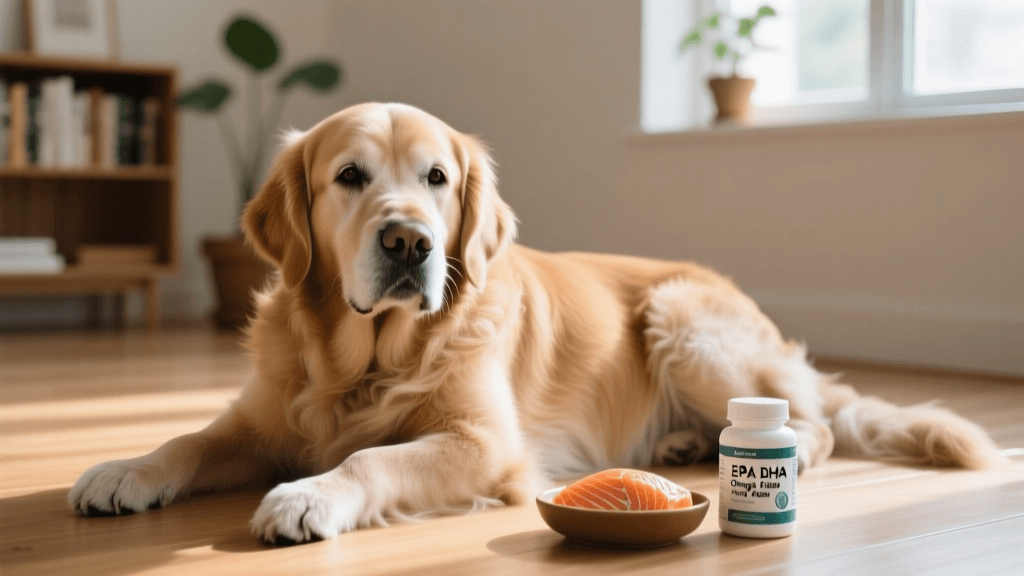
- Algal Oil Alternatives: For a sustainable, zero-risk-of-heavy-metal alternative, marine algal oil has become a premier choice in 2026. Algae is the original source of DHA and EPA in the marine food chain, offering a pure, plant-based neuro-nutrient profile without the oxidation risks associated with cheap fish byproducts.
The American Kennel Club (AKC) consistently advises pet owners to store liquid fish oils in dark, glass bottles in the refrigerator and to discard them if they develop a sharp, acrid, or overwhelmingly 'fishy' odor, as fresh, high-quality Omega-3s should have a very mild scent.
Clinical Dosing for Behavioral and Neurological Support
A common mistake owners make is under-dosing Omega-3s. The dosage required to achieve a shiny coat is vastly different from the therapeutic dosage required to cross the blood-brain barrier and alter neurochemistry. For behavioral support, anxiety reduction, and cognitive preservation, veterinary nutritionists recommend higher, targeted dosages based on metabolic body weight.
While you should always consult your veterinarian before starting a high-dose supplement regimen, especially for dogs on blood-thinning medications, the general therapeutic guidelines for neurological support in 2026 are as follows:
- Mild Cognitive Support & Puppy Development: 50 to 75 mg of combined EPA/DHA per kilogram of body weight daily.
- Chronic Anxiety & Neuroinflammation: 100 to 130 mg of combined EPA/DHA per kilogram of body weight daily (with an emphasis on EPA).
- Advanced Senior CDS Management: 100 to 150 mg of combined EPA/DHA per kilogram of body weight daily, often paired with medium-chain triglycerides (MCT oil) for alternative brain energy.
Note: Always introduce high-dose Omega-3s gradually over two to three weeks to avoid gastrointestinal upset, such as loose stools, which can ironically cause secondary stress and behavioral regression.
Conclusion: A Holistic Approach to Canine Psychology
Understanding your dog is a multifaceted journey that bridges the gap between psychology, environment, and biology. While behavioral training remains the language through which we communicate with our dogs, Omega-3 fatty acids provide the neurological foundation that allows them to process, learn, and emotionally regulate. By recognizing the profound impact of EPA and DHA on neuroinflammation, puppy brain development, and senior cognitive preservation, we empower ourselves to treat the root causes of behavioral friction. In 2026, true canine behavioral rehabilitation is not just about changing the dog's environment; it is about nourishing the canine mind from the inside out.
tom-renshaw
All our authors care for dogs every day — read more of their work on the authors page.