Decoding Separation Anxiety: Best Pet Cameras for Dog Behavior
Discover how pet cameras help decode your dog's separation anxiety and boredom. Learn to read canine body language remotely and choose the right tech.

The Mystery of the Empty House
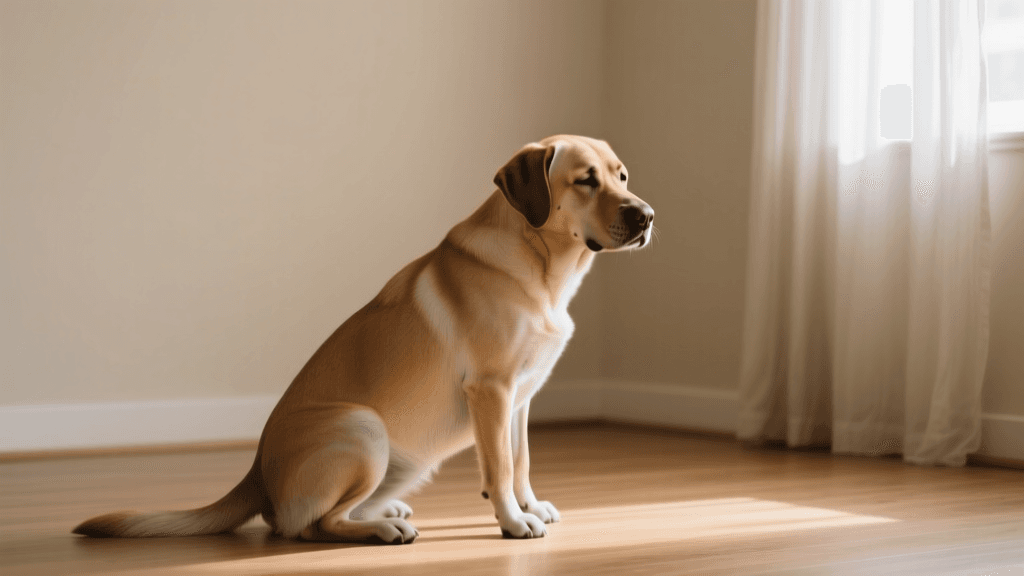
For centuries, humans have wondered what their dogs do when left alone. Do they sleep by the door? Do they pace? Do they engage in destructive behaviors out of spite, or is there a deeper psychological driver at play? As canine behavioral science has evolved, we now understand that dogs are profoundly social animals, and their reactions to isolation are rooted in complex emotional and instinctual frameworks. Today, modern pet technology—specifically high-definition, AI-enabled pet cameras—has bridged the gap between guesswork and empirical behavioral observation.
By utilizing the right gear, owners and veterinary behaviorists can decode the subtle body language of separation anxiety, isolation distress, and chronic boredom. This guide explores the intersection of canine psychology and pet technology, helping you select the best equipment to monitor, understand, and ultimately support your dog's mental well-being when you are away.
The Canine Mind When Left Alone: Anxiety vs. Boredom
Before investing in monitoring technology, it is crucial to understand what you are looking for. Many owners mistakenly attribute a destroyed sofa to a dog being 'mad' at them for leaving. In reality, destructive behavior is almost always a symptom of underlying emotional distress or unmet enrichment needs.
According to the American Society for the Prevention of Cruelty to Animals (ASPCA), separation anxiety is triggered when a dog becomes upset because of separation from their guardians. This is not disobedience; it is a profound panic response. Conversely, isolation distress is a milder form of anxiety where the dog simply does not want to be alone, while boredom-driven destruction stems from a lack of mental and physical stimulation.
Separation anxiety is a clinical behavioral condition characterized by extreme panic, whereas boredom is a state of under-stimulation. Cameras help us differentiate the two by capturing the context and intensity of the dog's physical reactions.
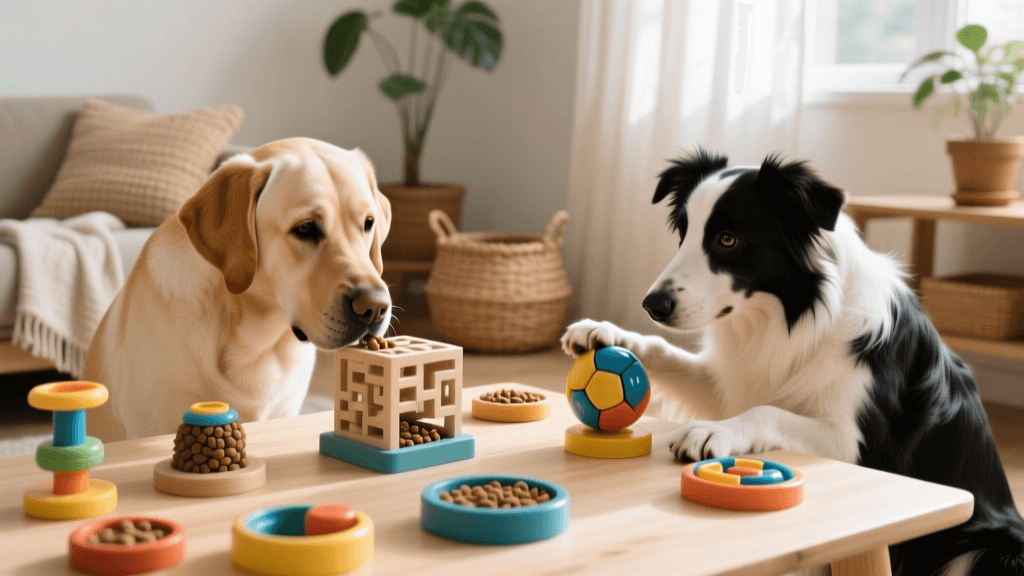
Understanding these distinctions dictates the type of technology you need. A dog suffering from clinical panic requires a camera with immediate alert systems and high-fidelity audio to monitor hyperventilation, while a bored dog might benefit more from interactive tech that allows for remote treat dispensing and mental engagement.
Reading the Screen: Identifying Stress Signals
When observing your dog through a camera lens, you must learn to identify subtle canine displacement behaviors and stress signals that precede full-blown panic. Because you are viewing them in two dimensions, often from a fixed angle, you must pay close attention to specific physical markers:
- Pacing and Circling: Repetitive, fixed-path pacing is a primary indicator of rising cortisol levels and anxiety. It is a self-soothing mechanism that quickly becomes a maladaptive stereotypic behavior.
- Panting and Drooling: If the room is at a comfortable temperature and your dog is panting heavily with a 'spatulate' (wide and tense) tongue, this is a physiological response to acute stress.
- Lip Licking and Yawning: When not associated with food or waking up, frequent lip licking and exaggerated yawning are classic displacement behaviors indicating internal conflict and discomfort.
- Whale Eye: If your dog is looking toward the door while keeping their head turned slightly away, exposing the whites of their eyes, they are exhibiting 'whale eye,' a strong signal of fear and apprehension.
- Vocalization Pitch: High-pitched, repetitive whining indicates distress, while low, sustained howling or barking at doors and windows often points to territorial frustration or barrier reactivity.
The Humane Society of the United States notes that recording these behaviors and noting the exact time they occur relative to your departure is vital for a veterinary behaviorist to create an accurate diagnosis and treatment plan.
Essential Camera Features for Behavior Monitoring
Not all smart home cameras are suited for canine behavioral analysis. A standard security camera might capture a break-in, but it will miss the nuanced data required to understand your dog's psychological state. When selecting gear for behavioral monitoring, prioritize the following specifications:
1. Resolution and Frame Rate
Minimum 1080p resolution at 30 frames per second (fps) is required. Lower frame rates will cause motion blur, making it impossible to observe rapid stress signals like lip licking or subtle ear flicks.
2. Field of View (FOV) and Pan/Tilt
Dogs with anxiety often seek out corners, hide under furniture, or pace in wide circles. A fixed 90-degree lens is insufficient. Look for a minimum 130-degree wide-angle lens or a 360-degree pan-and-tilt motorized base to eliminate blind spots.
3. AI Sound and Motion Detection
Advanced cameras now use artificial intelligence to differentiate between a dog barking, a human speaking, and ambient noise. This prevents notification fatigue and allows you to log the exact frequency and duration of distress vocalizations.
Gear Comparison Chart: Top Cameras for Behaviorists
Below is a structured comparison of leading pet cameras, evaluated specifically on their utility for canine behavioral monitoring and separation anxiety management.
| Camera Model | Resolution & FOV | Interactive Features | AI Behavioral Tracking | Best Use Case |
|---|---|---|---|---|
| Furbo 360 | 1080p / 360° Rotating | Treat tossing, two-way audio | Dog-specific AI alerts, barking logs | Dogs needing positive reinforcement and interactive engagement |
| Wyze Cam v3 | 1080p / 130° Fixed | Two-way audio only | Basic sound/motion detection | Budget monitoring of general pacing and resting patterns |
| Petcube Bites 2 Lite | 1080p / 138° Fixed | Treat tossing, laser pointer | Bark alerts, human/pet differentiation | High-energy dogs requiring remote mental stimulation |
| Ring Indoor Cam | 1080p / 155° Fixed | Two-way audio, privacy zones | Person/pet motion alerts | Monitoring door-guarding and barrier frustration behaviors |
The Two-Way Audio Trap: A Behavioral Warning
One of the most heavily marketed features of modern pet cameras is two-way audio, allowing owners to speak to their dogs from anywhere in the world. However, from a canine psychology perspective, this feature must be used with extreme caution.
When a dog with separation anxiety hears their owner's voice but cannot locate them visually or physically, it often triggers severe barrier frustration and cognitive dissonance. The dog may frantically search the house, scratch at doors, or experience a spike in panic because the auditory cue of safety (your voice) is completely disconnected from the physical reality of isolation.
Actionable Advice: If your dog exhibits clinical separation anxiety, disable the two-way audio feature. Use the camera strictly as a passive observation tool. Reserve audio communication for dogs who are simply bored and have been conditioned to associate your voice through the speaker with a positive, predictable outcome, such as a treat toss.
A Tech-Assisted Desensitization Protocol
Pet cameras are not just for watching; they are active tools in behavioral modification. You can use your camera to implement a systematic desensitization protocol for mild isolation distress. Here is a step-by-step framework utilizing camera feedback:
Step 1: Establish the Baseline (Days 1-3)
Set up the camera and leave the house for your normal duration. Do not intervene. Review the footage to identify the exact trigger point. Does the panic start when you put on your shoes? When the garage door closes? Or 20 minutes after you leave?
Step 2: Sub-Threshold Exposure (Days 4-10)
Using the camera as your eyes, practice leaving for durations that stay strictly under your dog's anxiety threshold. If your dog begins to pace at the 10-minute mark, your new departure duration is 5 minutes. Return before the anxiety behavior begins, ensuring the dog learns that your departure is temporary and safe.
Step 3: Remote Reinforcement (Days 11+)
Once the dog is comfortable with short absences, use a treat-tossing camera to deliver high-value rewards for calm behavior. Wait for a moment when the dog is lying down relaxed on their mat, trigger the treat toss, and use a calm marker word. This builds a positive conditioned emotional response (+CER) to the camera and the state of being alone.
Conclusion: Technology as a Window into the Canine Mind
Understanding your dog requires empathy, education, and the right tools. Gear and technology do not replace the need for professional behavioral intervention, nor do they cure separation anxiety on their own. However, high-quality pet cameras provide an invaluable, objective window into your dog's emotional world. By learning to read their body language through the lens and selecting equipment tailored to their specific psychological needs, you can transform the empty house from a place of panic into a sanctuary of rest and security.
marcus-aldridge
All our authors care for dogs every day — read more of their work on the authors page.