Engage-Disengage Protocol For Leash Reactive Dogs 2026
Master the Engage-Disengage protocol for leash reactive dogs in 2026. Learn threshold management, essential gear, and step-by-step training techniques.
Navigating Leash Reactivity in Modern Urban Environments
As urban environments become denser and shared public spaces become more crowded in 2026, leash reactivity remains one of the most prevalent and stressful behavioral challenges for dog owners. Reactivity—characterized by barking, lunging, growling, or freezing when encountering triggers like other dogs, strangers, or bicycles—is not inherently 'bad behavior.' Instead, it is a manifestation of an overwhelmed nervous system. For owners managing a reactive dog, simply stepping outside can feel like navigating a minefield. However, with the right behavioral conditioning framework, specifically the Engage-Disengage protocol, you can systematically rewire your dog's emotional response to their triggers.
The Engage-Disengage game, heavily influenced by Leslie McDevitt's foundational 'Look at That' (LAT) exercises, has evolved into a gold-standard technique recommended by certified behaviorists worldwide. Rather than punishing the reaction, this protocol focuses on changing the dog's underlying emotional state from fear or frustration to calm observation. In this comprehensive 2026 guide, we will break down the neurobiology of reactivity, provide a step-by-step training manual, and review the most effective modern gear to support your dog's rehabilitation journey.
The Neurobiology of the Reactive Dog
Before diving into the training steps, it is crucial to understand what happens inside your dog's brain when they spot a trigger. When a reactive dog sees another dog approaching on a sidewalk, their amygdala (the brain's fear and threat-detection center) instantly activates. This triggers a flood of stress hormones, including cortisol and adrenaline, preparing the dog for a 'fight or flight' response.
According to behavioral resources from the American Kennel Club, once a dog crosses their 'reactivity threshold,' their prefrontal cortex—the area responsible for learning and rational thought—essentially shuts down. At this point, no amount of obedience training, treats, or scolding will work because the dog is physically incapable of processing new information. The core objective of the Engage-Disengage protocol is to keep the dog under threshold, meaning they notice the trigger but remain calm enough to accept food and make voluntary choices.
The Engage-Disengage Game: Step-by-Step
This protocol requires a high-value reward (such as freeze-dried beef liver or boiled chicken), a reliable marker word (like 'Yes!' or a mechanical clicker), and a controlled environment. Here is how to execute the protocol effectively.
Step 1: Establish the Sub-Threshold Distance
Your first task is to find the exact distance at which your dog notices a trigger but does not react. For some dogs, this might be 20 feet; for others, it might be the length of a football field. In 2026, many professional trainers utilize GPS-enabled mapping apps to log 'safe zones' in local parks where sightlines are clear and distances can be accurately measured. If your dog is stiff, staring intensely, whining, or refusing treats, you are too close. Increase the distance immediately.
Step 2: The 'Engage' (Marking the Trigger)
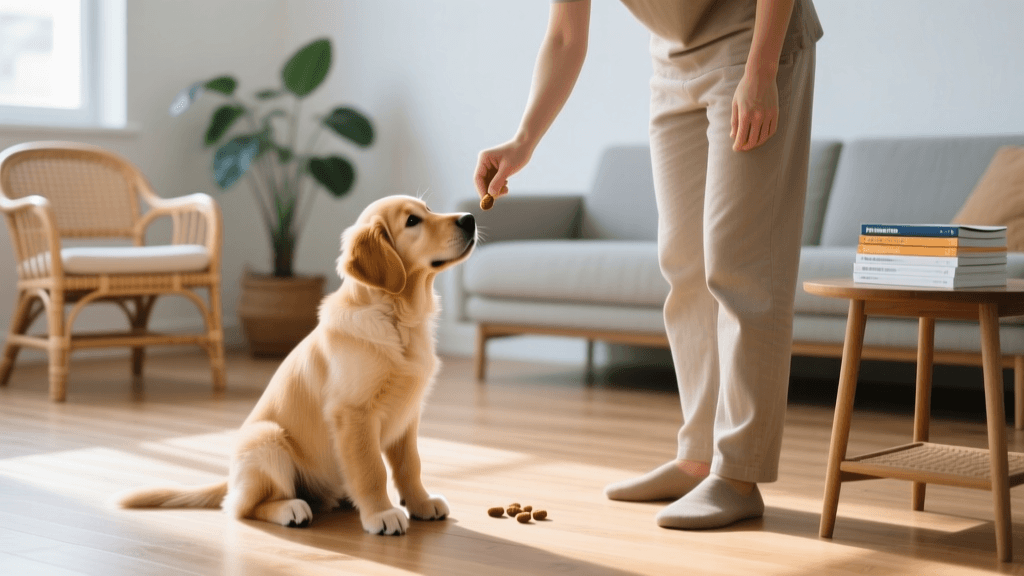
Once at a safe distance, wait for your dog to voluntarily look at the trigger. The exact millisecond their eyes lock onto the trigger (and before they can bark or lunge), use your marker word ('Yes!') or click your clicker. You are marking the behavior of 'looking calmly.' This step teaches the dog that noticing a trigger is actually a cue to check in with you, rather than a reason to panic.
Step 3: The 'Disengage' (The Voluntary Turn)
After you mark the behavior, your dog should naturally turn their head away from the trigger and look back at you to receive their reward. This is the 'Disengage.' Deliver the high-value treat directly to their mouth, ideally positioning your hand so they have to turn their body slightly away from the trigger to eat it. If your dog does not turn back to you after the mark, it means they are over threshold. You must increase your distance from the trigger and try again.
Step 4: Repetition and Criteria Shifting
Repeat this process 10 to 15 times per session. Over weeks and months, as your dog's emotional response shifts from anxiety to anticipation of a treat, you can gradually decrease the distance to the trigger by increments of just one or two feet. This process, known as desensitization and counter-conditioning (DS/CC), requires immense patience but yields profound, long-lasting results.
Essential 2026 Gear for Reactive Dog Management
While the protocol relies on psychology, having the right physical equipment is vital for safety and comfort. A dog that feels trapped or in pain from restrictive gear will have a lower threshold for reactivity.
- Harness: The Rabbitgoo No-Pull Dog Harness remains a top choice in 2026 due to its dual-clip design. Using the front chest clip gently redirects a lunging dog's momentum back toward the handler without choking the trachea.
- Leash: Ditch the retractable leash. Modern Biothane leashes (such as those from Thin Blue Line Leashes) are highly recommended. They provide a firm, non-slip grip even when wet, and allow you to quickly 'choke up' on the leash for better control without leash burn.
- Treat Pouch: The Doggone Good Rapid Rewards pouch features a magnetic closure that allows for silent, lightning-fast treat delivery, which is critical for marking the exact moment of disengagement.
Calming Aids Comparison Chart
In addition to training, many owners utilize adjunctive calming aids to lower baseline anxiety before a walk. Below is a comparison of the most effective, scientifically backed calming products available in 2026.
| Product | Mechanism of Action | 2026 Avg Price | Best Use Case |
|---|---|---|---|
| ThunderShirt Classic | Gentle, constant swaddling pressure | $45.95 | Acute trigger events & severe anxiety |
| Adaptil Calm On-the-Go Collar | Synthetic Dog Appeasing Pheromone (DAP) | $28.50 | Baseline anxiety reduction on walks |
| Zesty Paws Advanced Calming Bites | L-Theanine, Ashwagandha & Chamomile | $32.99 | Pre-walk ingestion (45 mins prior) |
| Calming Cap (Original) | Visual restriction / sensory deprivation | $38.00 | Transit to training locations |
Sample 15-Minute Daily Training Routine
Consistency is more important than duration when dealing with canine cortisol levels. A short, successful session is infinitely better than a long, overwhelming one. Here is a structured 15-minute routine to implement in your neighborhood:
- Minutes 1-3 (The Setup): Put on your dog's harness and Adaptil collar. Stand near your front door or driveway—an area with low foot traffic. Feed 5-10 treats just for calm behavior in the presence of the leash and harness.
- Minutes 4-10 (The Protocol): Walk to a predetermined 'safe zone' (e.g., a quiet cul-de-sac or the edge of a park). When a distant trigger appears, execute the Engage-Disengage protocol. Mark and reward 10 successful disengagements.
- Minutes 11-13 (Decompression): Scatter a handful of treats in the grass and encourage your dog to 'find it.' Sniffing naturally lowers a dog's heart rate and engages the parasympathetic nervous system.
- Minutes 14-15 (The Cool Down): Return home. Remove the gear and offer a long-lasting chew (like a yak milk chew or a frozen Kong) to help metabolize any residual stress hormones.
Troubleshooting Common Setbacks
Even with meticulous planning, setbacks happen. Organizations like Fear Free Pets emphasize that behavioral modification is rarely a linear path. Here is how to handle common hurdles:
My dog won't eat the treats outside.
Refusal of high-value food is the most accurate indicator that your dog is over threshold. Their digestive system has shut down in favor of survival mode. Do not force the training. Calmly create distance by walking away from the trigger until your dog willingly takes a treat. That new, further distance is your actual starting line.
My dog lunges before I can mark the behavior.
If your dog reacts before you can say 'Yes,' you were either too close, or the trigger appeared too suddenly (e.g., a dog popping out from behind a parked car). Manage the environment better. Use visual barriers like parked cars, hedges, or privacy fences to control sightlines. If a lunge occurs, do not yell or jerk the leash, as this adds confrontation to an already volatile situation. Simply use your body weight to anchor the leash, wait for the dog to stop pulling, and retreat to a safer distance.
Progress seems to have stalled.
Consider the concept of 'trigger stacking.' If your dog encounters a loud garbage truck, then a loose cat, and then another dog all within a 30-minute window, their cortisol levels will compound, making them highly reactive to minor stimuli for the next 48 to 72 hours. If your dog has a bad day, give them 2 to 3 days of pure decompression (sniffaris in empty fields, indoor puzzle games) before attempting the Engage-Disengage protocol again.
Final Thoughts on Reactivity Management
Managing a leash-reactive dog in 2026 requires a blend of environmental management, modern behavioral science, and profound empathy. The Engage-Disengage protocol is not a quick fix; it is a lifestyle adjustment that teaches your dog they do not have to face their fears alone. By respecting their thresholds, utilizing the right supportive gear, and celebrating the micro-victories, you can transform your daily walks from a source of dread into an opportunity for mutual trust and connection. Remember to consult with a certified professional dog trainer (CPDT-KA) or a veterinary behaviorist if your dog's reactivity poses a safety risk to themselves or others.
jonas-cole
All our authors care for dogs every day — read more of their work on the authors page.