2026 Training Guide: Best Dog Breeds for Remote Workers
Discover the best dog breeds for remote workers in 2026 and learn essential place-command training to keep your pup calm during Zoom calls.
The Work-From-Home Reality for Dogs in 2026
As we settle into the permanent hybrid and fully remote work structures of 2026, our home offices are no longer just temporary setups; they are shared living spaces. For dog owners, this means our canine companions are present for every virtual meeting, deep-work session, and asynchronous collaboration. However, simply having a dog at home does not guarantee a productive environment. The secret to a harmonious work-from-home (WFH) lifestyle lies in selecting the right breed and, more importantly, implementing specialized obedience training tailored to the home office.
While high-drive working breeds like Border Collies or Belgian Malinois require hours of physical and mental stimulation that can disrupt a busy workday, certain breeds are naturally predisposed to indoor calmness. Yet, even the most laid-back breeds require targeted behavioral conditioning to respect your workspace. In this comprehensive guide, we will explore the best dog breeds for remote workers and detail the exact training protocols needed to keep your dog relaxed, quiet, and out of the camera frame during your most important calls.
Top 5 Trainable Dog Breeds for Remote Workers
When evaluating breeds for the home office, we look for low-to-moderate energy levels, low vocalization drives, and a high aptitude for mat training. Below is a comparison of the top five breeds that excel in remote work environments when properly trained.
| Breed | Energy Level | Barking Tendency | Place Command Aptitude | Best WFH Trait |
|---|---|---|---|---|
| Cavalier King Charles Spaniel | Low to Moderate | Very Low | Excellent | Eager to please and highly affectionate without being demanding. |
| Greyhound | Low (Indoors) | Low | Very Good | Notorious 'couch potatoes' that sleep up to 18 hours a day. |
| Basset Hound | Low | Moderate | Good (Food Motivated) | Extremely low indoor energy; happy to lounge near your desk. |
| Pug | Low | Moderate | Good | Shadow dogs that prefer to nap at your feet rather than roam. |
| Shih Tzu | Low | Low to Moderate | Very Good | Bred strictly for companionship, lacking the instinct to patrol or alert. |
Why These Breeds Excel in the Home Office
The Cavalier King Charles Spaniel is widely considered the ultimate WFH companion. They possess a gentle temperament and respond beautifully to positive reinforcement training. Greyhounds, despite their racing background, are sprinters with virtually zero indoor endurance. Once their morning walk is complete, they are highly receptive to settling on a mat for the remainder of the workday. Basset Hounds and Pugs are heavily food-motivated, which makes teaching the 'Place' command highly effective when using high-value treats. According to the American Kennel Club's training resources, matching your training methodology to your dog's specific breed motivations is the cornerstone of successful obedience conditioning.
Essential WFH Obedience Training Techniques
Choosing a low-energy breed is only the first step. To ensure your dog does not interrupt your workflow, you must implement specific behavioral conditioning protocols. Here are the three foundational training pillars for remote work dogs in 2026.
1. Mastering the 'Place' Command for Zoom Calls
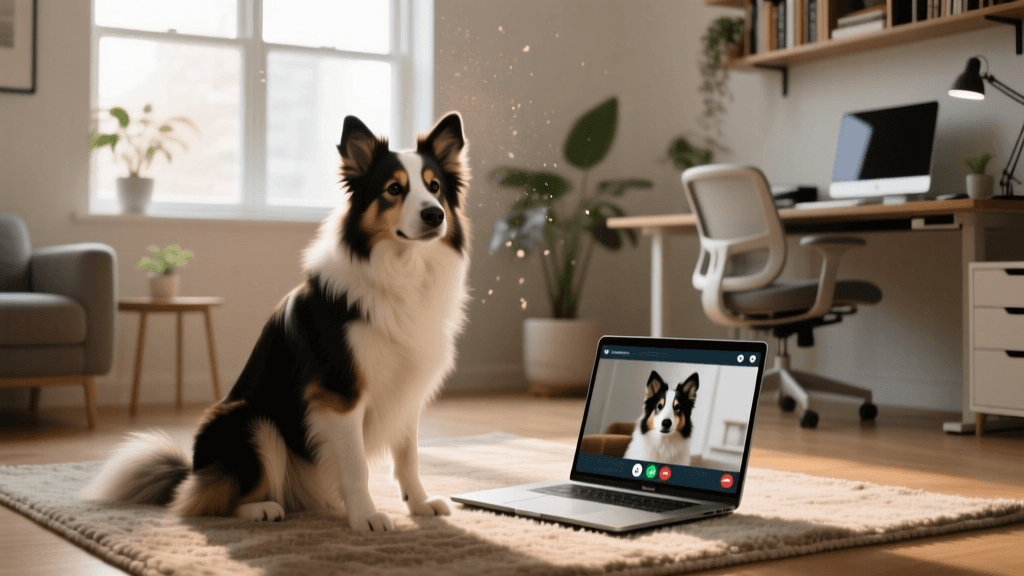
The 'Place' command instructs your dog to go to a specific designated spot (like an elevated cot or a specific mat) and remain there until released. This is invaluable for keeping your dog out of the background of your video calls and preventing them from pacing during meetings.
- Step 1: Select the Right Gear. Use an elevated, breathable dog cot (such as a Kuranda or Coolaroo bed). Elevated beds provide a clear physical boundary that dogs easily understand, unlike flat mats that blend into the carpet.
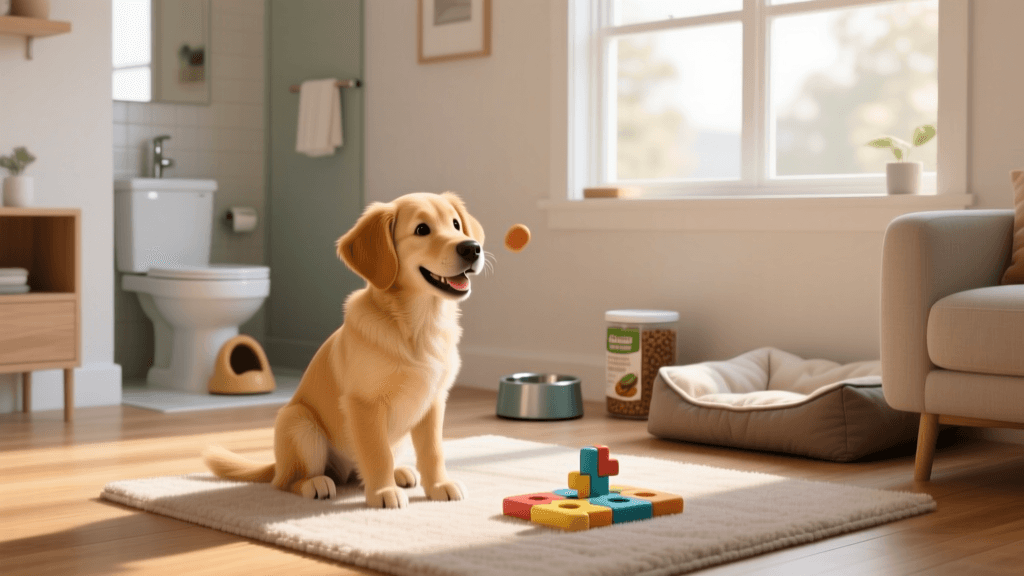
- Step 2: Lure and Reward. With your dog on a leash, lure them onto the cot using a high-value treat like freeze-dried liver. The moment all four paws are on the bed, mark the behavior with a clicker or a verbal 'Yes!' and deliver the treat.
- Step 3: Add the Cue and Duration. Once your dog reliably steps onto the bed for a treat, add the verbal cue 'Place.' Begin asking for duration. Give a treat every 5 seconds, then 10 seconds, then 30 seconds. If they break the command, calmly guide them back without offering a treat.
- Step 4: Distance and Distraction. Gradually increase the distance between you and the cot. Practice this while you are sitting at your desk, typing, and eventually while you are speaking aloud to simulate a phone call.
Consistency is critical. The Humane Society recommends keeping training sessions short (5 to 10 minutes) but highly frequent to prevent canine frustration and build lasting muscle memory.
2. Audio Desensitization for Digital Notifications
In 2026, our digital environments are filled with sudden, sharp noises: Slack huddles starting, Microsoft Teams notification pings, and smart doorbells. For many dogs, these unexpected sounds trigger alert barking, which is disastrous during a live presentation.
To combat this, you must proactively desensitize your dog to your specific digital ecosystem. Record the exact notification sounds from your computer and phone. During a calm training session, play the sound at an extremely low volume—so low that your dog notices it but does not react. Immediately feed a high-value treat. Repeat this process, gradually increasing the volume over several weeks. The goal is to rewire your dog's emotional response so that the sound of an incoming email or a Slack ping predicts a delicious treat rather than signaling an intruder or a reason to bark.
3. Capturing Calmness and the 'Quiet' Cue
Some breeds, even naturally quiet ones like the Shih Tzu, may occasionally vocalize when they hear a delivery driver or a neighbor. Teaching a reliable 'Quiet' cue is essential.
Unlike traditional commands, 'Quiet' is often best taught by capturing the absence of noise. When your dog is resting calmly on their Place bed while you work, quietly walk over and drop a treat between their paws. Do not speak or excite them. This protocol, known as 'Capturing Calmness,' reinforces the exact behavior you want to see during your workday: doing absolutely nothing. If your dog does begin to bark at a window, use a calm, neutral interrupter sound (like a gentle lip smack or a soft 'Oops'), wait for them to stop barking and look at you, and then reward them for their silence. Never yell at a barking dog, as they will interpret your raised voice as you joining in on the alert.
Creating a Sustainable 2026 WFH Routine
Even the best-trained, most laid-back breeds require a structured routine to thrive in a home office environment. A predictable schedule reduces canine anxiety and prevents attention-seeking behaviors that disrupt your workflow.
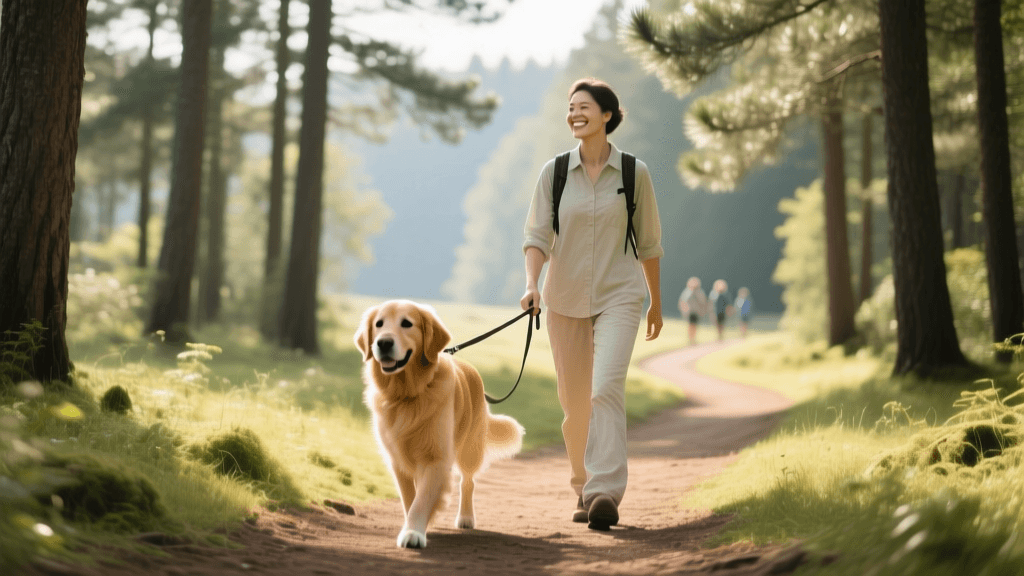
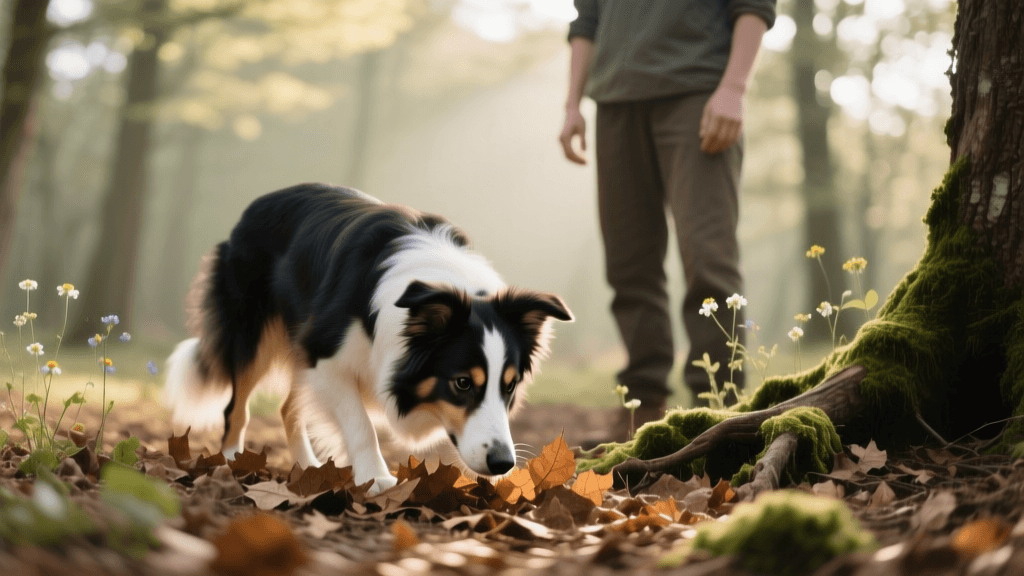
- The Pre-Work Decompression Walk: Before you log on for the day, provide 30 to 45 minutes of sniff-heavy, mental stimulation. Sniffing lowers a dog's heart rate and mimics the natural foraging behaviors that leave them mentally fatigued and ready to sleep.
- Mid-Day Enrichment: During your lunch break or a long asynchronous work block, provide a frozen enrichment toy (like a Kong stuffed with Greek yogurt and blueberries). This provides 20 minutes of quiet, independent entertainment.
- Smart Home Integration: Utilize silent, app-controlled treat dispensers placed near their 'Place' bed. This allows you to intermittently reward your dog for staying on their mat during long meetings without you having to get up from your desk.
Final Thoughts on Remote Work Dog Training
Sharing your home office with a dog is one of the greatest perks of the modern remote work era. By selecting a breed naturally suited to indoor living—such as the Cavalier King Charles Spaniel, Greyhound, or Pug—and investing time into specialized obedience training like the 'Place' command and audio desensitization, you can create a professional, peaceful environment. Remember that behavioral conditioning is an ongoing process. Maintain your boundaries, reward calmness generously, and enjoy the companionship of your perfectly trained WFH colleague.
anouk-beaumont
All our authors care for dogs every day — read more of their work on the authors page.