Engage-Disengage Protocol for Leash-Reactive Dogs: 2026 Guide
Master the Engage-Disengage protocol for leash-reactive dogs in 2026. Learn threshold management, counter-conditioning, and how Thundershirt Platinum helps.
Understanding Leash Reactivity in Urban Environments
As we navigate the increasingly dense urban landscapes of 2026, dog ownership has reached unprecedented levels. While this is a wonderful trend for companionship, it has also led to a significant rise in leash reactivity. Leash reactivity is characterized by barking, lunging, or growling at stimuli such as other dogs, strangers, or bicycles while on a leash. It is crucial for owners to understand that reactivity is rarely rooted in true malice or unprovoked aggression. Instead, it is a manifestation of fear, frustration, or overstimulation. According to the ASPCA, most leash-reactive dogs are exhibiting distance-increasing behaviors because they feel trapped by the physical constraint of the leash and the inability to flee from a perceived threat.
To successfully manage and rehabilitate a reactive dog, owners must move away from outdated, punishment-based methods that only suppress the outward symptoms while increasing the dog's internal stress. Modern canine behavioral science in 2026 emphasizes changing the underlying emotional response through desensitization and counter-conditioning. The gold standard for this approach is the Engage-Disengage protocol, a structured game that teaches your dog to voluntarily look away from a trigger and back at you in anticipation of a reward.
The Neurobiology of the Reactive Brain
Before diving into the training steps, it is essential to understand what happens inside your dog's brain when they encounter a trigger. When a reactive dog spots another dog across the street, their amygdala—the brain's threat-detection center—immediately activates. This triggers a flood of stress hormones, including cortisol and adrenaline, preparing the dog for a 'fight or flight' response. When a dog is in this heightened state, their prefrontal cortex, which is responsible for learning and rational thought, essentially shuts down.
This phenomenon is often referred to as an 'amygdala hijack.' If your dog is over their stress threshold, they are physically incapable of learning new behaviors or responding to basic obedience cues like 'sit' or 'look at me.' The American Veterinary Society of Animal Behavior (AVSAB) strongly advocates for keeping dogs under their reactivity threshold during training to ensure the brain remains in a receptive, neuroplastic state where positive associations can actually be formed.
Pre-Walk Decompression and Essential Gear
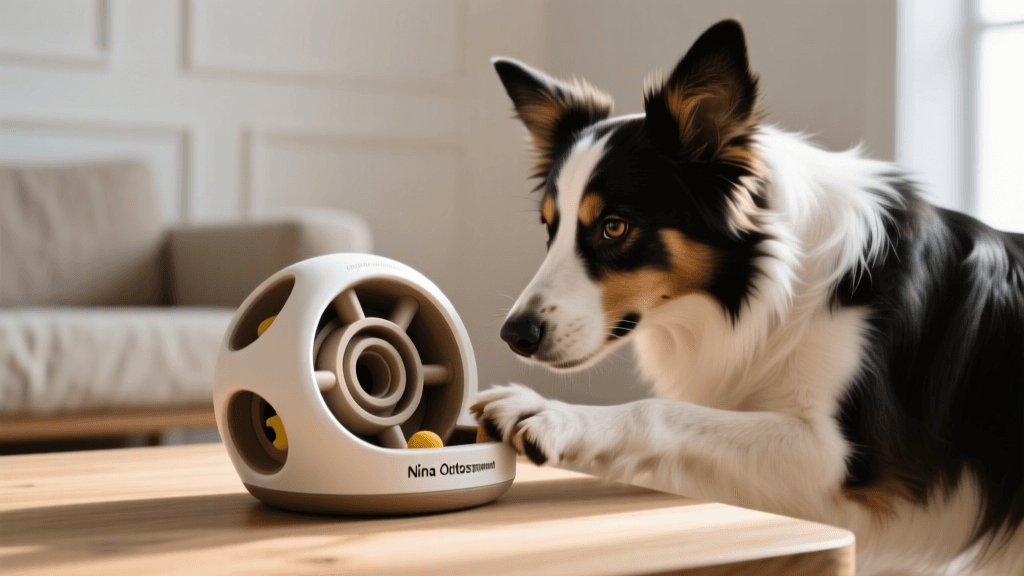
Setting your dog up for success begins long before you clip on the leash. A dog that leaves the house already carrying a high baseline of stress will have a significantly lower threshold for reactivity. In 2026, certified behaviorists heavily recommend pre-walk decompression routines. Utilizing a LickiMat Soother spread with plain, unsweetened Greek yogurt or pumpkin puree and frozen overnight can lower your dog's heart rate through the repetitive, soothing action of licking. This releases endorphins and primes the nervous system for a calmer outing.
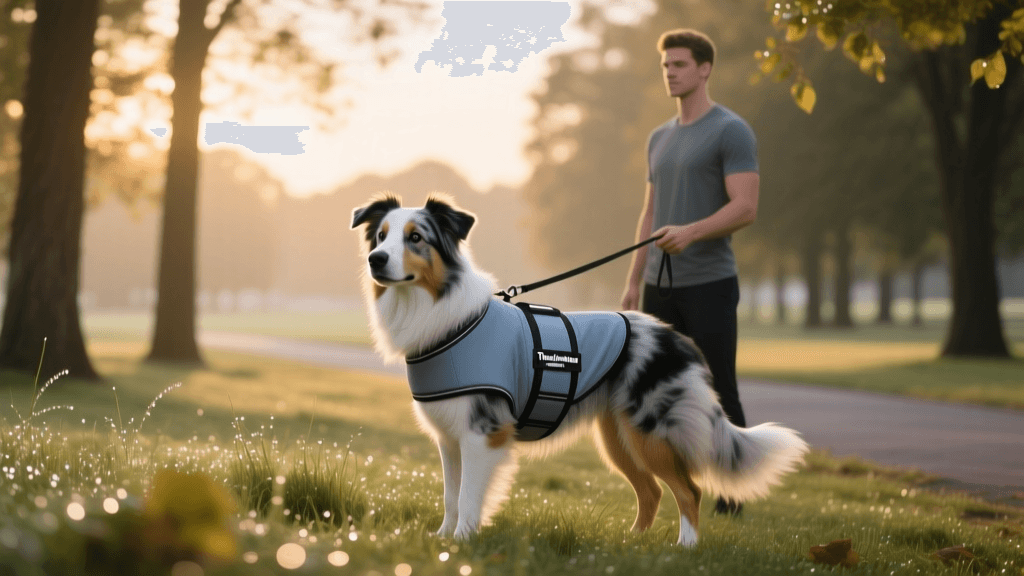
When it comes to gear, managing the physical symptoms of anxiety can drastically improve training outcomes. The Thundershirt Platinum (retailing around $54.99 in 2026) utilizes gentle, constant pressure to calm the nervous system, similar to swaddling an infant. While it is not a cure-all, pairing the Thundershirt Platinum with the Engage-Disengage protocol provides a dual-layered approach to anxiety management. Additionally, invest in a well-fitted, front-clip harness and a hands-free treat pouch that allows for rapid, seamless treat delivery. High-value treats are non-negotiable; freeze-dried beef liver or boiled chicken breast should be used exclusively for threshold training.
The Engage-Disengage Protocol: Step-by-Step
The Engage-Disengage game, pioneered by canine behavior experts, is broken down into two distinct phases. It relies heavily on classical conditioning (changing emotions) before moving to operant conditioning (rewarding specific choices).
Phase 1: Engage (Classical Conditioning)
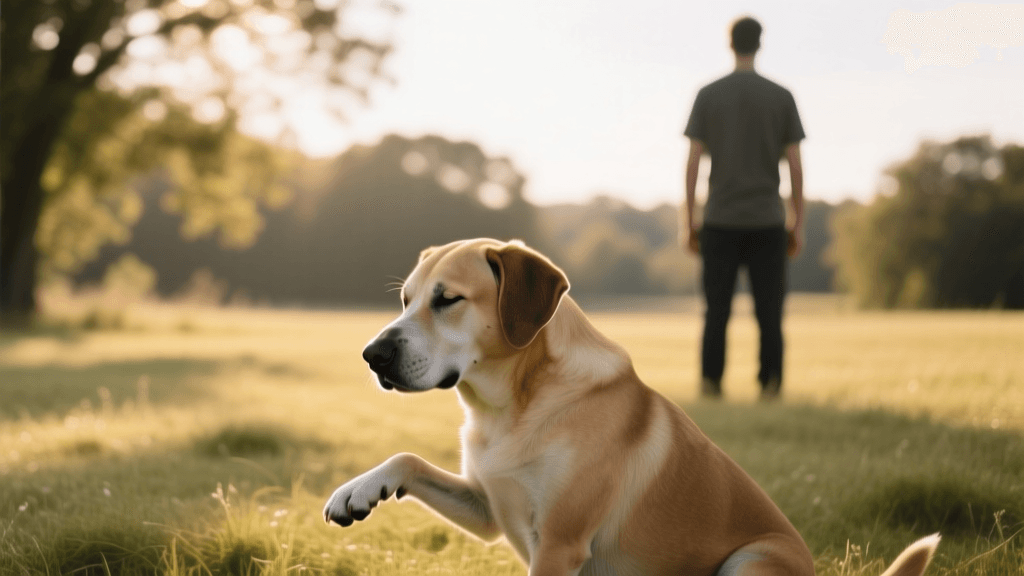
In the first phase, your goal is simply to create a positive association with the trigger. Find a location where your dog can see the trigger (e.g., another dog) but is far enough away that they remain under threshold. This is known as their 'working distance.'
- Step 1: The moment your dog notices the trigger (engages), immediately use a verbal marker like 'Yes!' or click a clicker.
- Step 2: Follow the marker instantly with a high-value treat. You are not asking your dog to look at you yet; you are simply pairing the sight of the trigger with a fantastic reward.
- Step 3: Repeat this process. Dog looks at trigger -> Mark -> Treat. The trigger becomes the cue that a reward is coming.
Phase 2: Disengage (Operant Conditioning)
Once your dog begins to anticipate the treat upon seeing the trigger, you can move to Phase 2. This usually takes several weeks of consistent Phase 1 practice.
- Step 1: Your dog notices the trigger. Instead of marking immediately, pause for one to two seconds.
- Step 2: Wait for your dog to voluntarily disengage (look away from the trigger and back toward you).
- Step 3: The moment they make eye contact or turn their body toward you, mark with 'Yes!' and deliver the treat.
- Step 4: If your dog does not disengage within three seconds, they are likely too close to the trigger. Increase your distance immediately and revert to Phase 1.
Reactivity is not aggression; it is a manifestation of fear, frustration, or overstimulation. Our goal is to change the emotional response, not just suppress the behavior.
Threshold Management Data Table
Success in the Engage-Disengage protocol relies entirely on threshold management. If you push your dog past their threshold, learning stops, and stress compounds. Use the following table to assess your dog's state and determine the correct handler action in real-time.
| Distance to Trigger | Trigger Intensity | Canine Body Language | Handler Action |
|---|---|---|---|
| Under Threshold (e.g., 50+ feet) | Low (Stationary dog, distant bike) | Relaxed posture, soft eyes, open mouth, willing to eat treats gently | Play Engage-Disengage Phase 2, reward heavily for voluntary disengagement |
| At Threshold (e.g., 30 feet) | Medium (Walking person, slow jogger) | Ears pinned, stiff tail, closed mouth, delayed treat response, sniffing ground | Increase distance immediately, use scatter feeding on the grass to lower arousal |
| Over Threshold (e.g., 10 feet) | High (Barking dog, fast skateboarder) | Lunging, barking, whale eye, piloerection, rigid body, refuses food entirely | Execute an emergency U-turn, remove from the situation, decompress at home |
Biofeedback and Heart Rate Monitoring in 2026
One of the most exciting advancements in canine behavioral management in 2026 is the integration of biofeedback technology. Modern smart collars now feature advanced Heart Rate Variability (HRV) sensors that can detect spikes in a dog's sympathetic nervous system before visible signs of reactivity occur. By monitoring your dog's HRV via a smartphone app during walks, you can objectively identify their exact threshold distance. If the app alerts you to a sudden drop in HRV, you know to increase distance before your dog even begins to stiffen or stare. This removes the guesswork from threshold management and prevents accidental flooding.
Common Mistakes and Troubleshooting
Even with the best intentions, handlers often encounter roadblocks. Here are the most common mistakes and how to correct them:
- Using Low-Value Treats: Kibble or dry biscuits will not compete with the adrenaline of a reactive episode. You must use 'jackpot' rewards like real meat or cheese to create a strong enough dopamine response to counteract the cortisol.
- Working Too Close: Ego is the enemy of threshold training. If your dog reacts, you are too close. There is no shame in working from 100 yards away or training from the safety of a parked car initially.
- Correcting the Reaction: Popping the leash, using prong collars, or yelling 'No' when your dog reacts only validates their fear. It teaches them that the appearance of another dog predicts pain or punishment from their owner, which drastically worsens the underlying anxiety.
- Ignoring the Environment: Urban environments are unpredictable. Always scan ahead for off-leash dogs, blind corners, or loud machinery. Advocate for your dog by crossing the street or stepping behind a visual barrier like a parked vehicle if a trigger approaches too quickly.
Conclusion: Patience and Consistency
Rehabilitating a leash-reactive dog is a marathon, not a sprint. The Engage-Disengage protocol, when paired with anxiety-reducing tools like the Thundershirt Platinum and pre-walk decompression, offers a scientifically backed roadmap to a calmer, happier dog. Remember to celebrate the micro-victories: a softer gaze, a relaxed tail, or a voluntary look away. By prioritizing your dog's emotional well-being and respecting their thresholds, you will slowly rewire their brain to view the chaotic urban world not as a threat, but as a predictor of wonderful things. For ongoing support and resources, organizations like Fear Free Pets offer extensive directories of certified professionals who specialize in low-stress, force-free handling and behavioral modification.
tom-renshaw
All our authors care for dogs every day — read more of their work on the authors page.