Emergency Recall Training: Teach a Life-Saving Dog Come
Learn how to train a reliable emergency recall to keep your dog safe in dangerous situations. Step-by-step guide with tips, tools, and troubleshooting.

The Importance of an Emergency Recall
Every dog owner knows the heart-stopping panic of watching their dog slip out the front door, break free from a leash, or bolt toward a busy intersection. In these critical moments, a standard 'come' command often falls short, especially when a dog is overwhelmed by prey drive or environmental distractions. This is where an emergency recall becomes a literal life-saver. Unlike a standard recall, which might be used for everyday activities like coming inside or returning from the backyard, an emergency recall is a highly specialized, heavily reinforced behavior reserved exclusively for dangerous situations. According to the American Kennel Club (AKC), a reliable recall is one of the most vital commands a dog can learn, but an emergency recall takes this a step further by utilizing classical conditioning and high-value 'jackpot' rewards to override a dog's natural instincts.
Essential Gear for Safety and Success
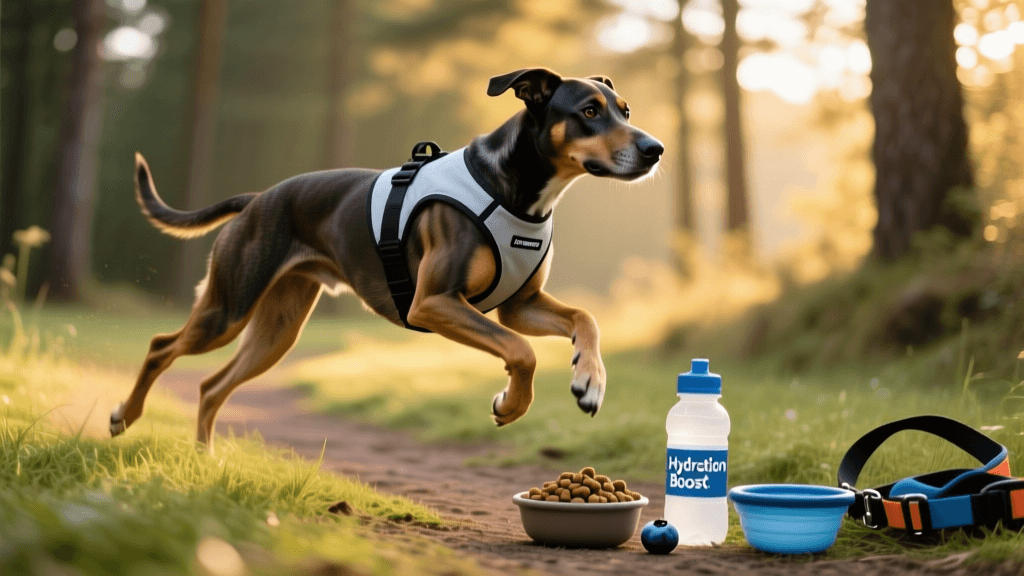
Before beginning your training protocol, you must equip yourself with the right tools. Training an emergency recall requires managing high levels of excitement and ensuring your dog's physical safety when they are at a distance. Here is the essential gear you will need:
- 30-Foot Biothane Long Line ($25 - $45): Avoid standard nylon leashes, which can cause severe friction burns if your dog bolts. Biothane is waterproof, durable, and glides smoothly through your hands. A 30-foot length gives your dog enough distance to feel 'free' while keeping you in control.
- Front-Clip Harness ($30 - $50): Brands like the Ruffwear Front Range or Kurgo Tru-Fit are excellent. Never attach a long line to a flat collar or a prong collar, as the sudden stop can cause severe tracheal or cervical spine injuries. A well-fitted harness distributes the force safely across the chest.
- Quick-Access Treat Pouch ($20 - $35): The Ruffwear Treat Trader or a similar magnetic-closure pouch allows you to deliver rewards within 0.5 seconds of the dog arriving. Fumbling with zippers ruins the timing of your reinforcement.
- High-Value 'Jackpot' Treats ($10 - $20): Dry kibble will not work here. You need irresistible, aromatic rewards like freeze-dried beef liver, boiled chicken breast, or low-sodium hot dogs. These should be reserved exclusively for emergency recall training.
- Acme Dog Whistle ($8 - $15): Optional but highly recommended. A whistle carries further than the human voice and cuts through wind, traffic noise, and distance without carrying the emotional panic that a human voice might convey.
Standard Recall vs. Emergency Recall: A Comparison
Understanding the difference between these two cues is crucial for maintaining the integrity of your emergency command. The ASPCA emphasizes that cue distinction prevents 'poisoning' the command through overuse or negative associations.
| Feature | Standard Recall | Emergency Recall |
|---|---|---|
| Cue Word / Sound | 'Come', 'Here', or dog's name | Unique word (e.g., 'Bingo', 'Touch') or Whistle |
| Reward Value | Moderate (kibble, praise, petting) | Extreme (Jackpot: liver, chicken, cheese) |
| Frequency of Use | Daily, multiple times a day | Rarely; only in emergencies or scheduled practice |
| Post-Recall Action | Leashing, going inside, bath time | Immediate release back to play; no restrictions |
| Consequence of Failure | Mild inconvenience | Potential injury or death |
Step-by-Step Emergency Recall Training Protocol
Training this behavior requires patience, precise timing, and a commitment to never cutting corners. Dedicate 5 to 10 minutes a day to this protocol. Keep sessions short to prevent canine cognitive fatigue.
Step 1: Choose and Charge the Cue (Days 1-3)
Select a cue word that you rarely use in everyday conversation, such as 'Bingo', 'Recall', or 'Touch'. Alternatively, use two short blasts on a dog whistle. Your first goal is classical conditioning. In a quiet room, say your cue word (or blow the whistle) and immediately hand your dog a piece of high-value treat. Do not ask the dog to move; just pair the sound with the food. Repeat this 30 to 50 times over three days. You are building a Pavlovian response where the sound triggers an automatic dopamine release and the expectation of an incredible reward.
Step 2: Add Short-Distance Movement (Days 4-7)
Move to a low-distraction environment like your living room or a fenced backyard. Wait until your dog is a few feet away and mildly distracted (e.g., sniffing a toy). Give your emergency cue. The moment your dog turns their head toward you, use a marker word like 'Yes!' or click a clicker. When they arrive, deliver a 'jackpot' reward—meaning 3 to 5 pieces of high-value treats fed one by one, accompanied by enthusiastic praise and physical affection. The goal is to make coming to you the most rewarding experience of their day.
Step 3: Introduce the Long Line (Weeks 2-3)
Attach your dog's harness to the 30-foot Biothane long line and head to a quiet park or open field. Allow your dog to wander and sniff. When they are 15 to 20 feet away and not actively engaged with another animal, give your emergency cue. If they respond, mark, reward heavily, and then—and this is critical—release them back to what they were doing. The Humane Society of the United States notes that dogs often associate the word 'come' with the end of their fun. By releasing them back to play after an emergency recall practice, you teach them that returning to you does not mean the end of their freedom.
Step 4: The 'Restrained Recall' Exercise (Weeks 4-5)
To build explosive speed and drive, enlist a helper. Have your helper gently hold your dog by the harness while you walk 20 feet away. Show your dog the high-value treats, give your emergency cue, and encourage them excitedly. Your helper should release the dog the moment they pull forward. This builds immense frustration and drive, resulting in a lightning-fast sprint back to you. Reward with a massive jackpot upon arrival.
Step 5: Proofing with Distractions (Weeks 6+)
Gradually increase the difficulty of the environment. Practice near other dogs (at a safe distance), near wildlife, or in new parks. Always use the long line for safety. If your dog ignores the cue, do not repeat it. Instead, use the long line to gently guide them back to you, reset the distance to a shorter range where they can succeed, and try again. Repeating the cue teaches the dog that they only need to listen on the third or fourth try.
Proofing the Behavior in High-Distraction Environments
Proofing is the process of testing and solidifying the behavior under varying conditions. A dog that performs a flawless emergency recall in the living room may completely ignore it when a deer runs across the field. To properly proof the behavior, you must systematically increase the 'Three Ds': Distance, Duration, and Distraction. Never increase all three at once. If you are adding a high-level distraction (like a squirrel), decrease the distance to just 5 feet and ensure you have the long line secured. Only increase the distance once the dog is successfully responding to the cue despite the distraction. Remember that prey drive is a deeply ingrained survival instinct; your jackpot reward must be valuable enough to compete with the thrill of the chase.
Critical Mistakes to Avoid
Even experienced owners can inadvertently sabotage an emergency recall. Avoid these common pitfalls at all costs:
- Poisoning the Cue: Never use your emergency recall cue to call your dog for something they dislike, such as a bath, nail trimming, or getting into the car to go to the vet. The emergency cue must always predict a positive outcome.
- Punishing the Dog: If your dog escapes and you spend 10 minutes chasing them before finally catching them or getting them to come back, you must never scold them. Dogs associate the punishment with the last action they performed—which was coming to you. Always praise them for returning, even if you are frustrated.
- Overusing the Command: The emergency recall loses its power if used for mundane tasks. If you just want your dog to come inside from the yard, use your standard 'come' cue or simply walk out and leash them. Save the emergency cue for life-or-death scenarios and scheduled, high-reward practice sessions.
Expert Safety Tip: 'An emergency recall is like a fire extinguisher. You hope you never have to use it in a real crisis, but you must maintain it, test it regularly, and ensure it works flawlessly when the moment arises. Never let the battery run dead on your dog's training.'
Conclusion
Training an emergency recall is an ongoing commitment to your dog's safety. By utilizing the right gear, leveraging high-value jackpot rewards, and strictly managing how and when the cue is used, you can build a reliable, life-saving behavior. Remember that consistency and positive reinforcement are your greatest tools. Invest the time now to build this invisible leash, and it will provide you with peace of mind and your dog with the freedom to safely explore the world.
jonas-cole
All our authors care for dogs every day — read more of their work on the authors page.