Understanding DPT Stress Signals in Service Dogs 2026
Learn to identify subtle stress signals in psychiatric service dogs during Deep Pressure Therapy in 2026 to prevent burnout and ensure canine welfare.
The Hidden Toll of Deep Pressure Therapy in 2026
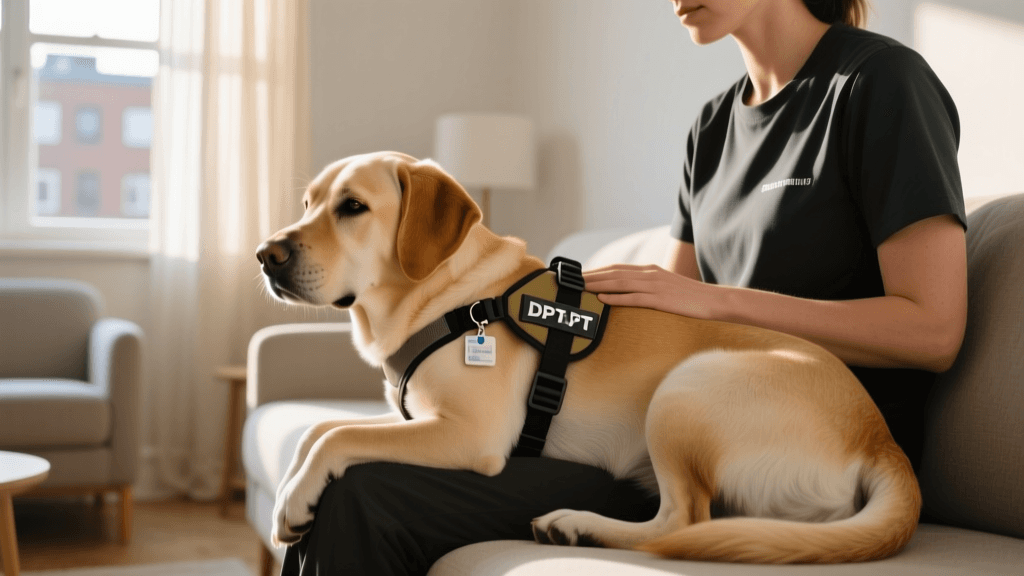
Deep Pressure Therapy (DPT) is a cornerstone task for psychiatric service dogs (PSDs) in 2026. By applying their body weight across a handler's chest, lap, or legs, these highly trained canines stimulate the parasympathetic nervous system, helping to abort panic attacks, ground dissociative episodes, and regulate severe anxiety. However, as the demand for and integration of PSDs has surged into 2026, veterinary behaviorists have raised alarms regarding a silent epidemic: working dog burnout. Understanding your dog's psychological state and recognizing micro-stress signals during DPT is no longer optional; it is a critical component of ethical handling and canine welfare.
Unlike mobility assistance tasks, such as retrieving dropped items or opening doors, DPT requires the dog to intimately engage with the handler's acute psychological distress. To protect your canine partner, handlers must learn to read the subtle body language that indicates when a dog is transitioning from 'focused working mode' into 'emotional overwhelm.'
The Psychology of Emotional Contagion
When a handler experiences a panic attack or PTSD flashback, the human body floods with cortisol, adrenaline, and specific volatile organic compounds (VOCs) excreted through sweat and breath. A dog's olfactory system, which possesses up to 300 million olfactory receptors, detects these chemical shifts instantly. In 2026, the prevailing psychological framework for understanding PSDs revolves around 'emotional contagion'—the phenomenon where a dog unconsciously mirrors and absorbs the emotional state of their human.
While this empathic bond is what makes DPT so effective, it is also the primary driver of compassion fatigue in working dogs. The dog is not merely performing a physical action; they are actively attempting to soothe a distressed pack member while simultaneously processing the intense, chaotic energy of a panic attack. According to the Assistance Dogs International (ADI) standards, accredited programs must now rigorously train handlers to monitor their dogs for signs of chronic stress, ensuring that the psychological burden of the work does not compromise the animal's welfare.
Recognizing Micro-Stress Signals During DPT
Most handlers are familiar with overt signs of canine distress, such as whining, pacing, or attempting to flee. However, during DPT, a well-trained service dog will rarely break their task to exhibit these macro-behaviors. Instead, they display 'micro-stress signals'—subtle, fleeting body language cues that indicate rising internal tension. Recognizing these signals in 2026 requires a nuanced understanding of canine communication.
1. Commissure Pulling and Lip Licking
While a relaxed dog has a soft, slightly open mouth, a stressed dog will pull the commissures (the corners of the lips) tightly back and down. This is often accompanied by rapid, repetitive tongue flicks or lip licking when no food is present. During DPT, if you feel your dog's facial muscles tense against your chest or lap, this is an early indicator of anxiety.
2. Whale Eye (Half-Moon Eye)
When a dog turns its head away from a stressor but keeps its eyes fixed on it, the sclera (the white of the eye) becomes visible in a crescent shape. If your dog is lying across you for DPT and you notice the whites of their eyes showing while they look toward the door or another person in the room, they are experiencing environmental overwhelm while trying to maintain their task.
3. Piloerection and Weight Shifting
Piloerection (raised hackles) is an autonomic nervous system response to adrenaline. While commonly associated with aggression, in the context of DPT, it often signals acute anxiety or overstimulation. Similarly, if a dog constantly shifts its weight, tucks its paws underneath its body, or trembles slightly while applying pressure, it is struggling to self-soothe.
2026 Biometric Tools for Monitoring Canine HRV
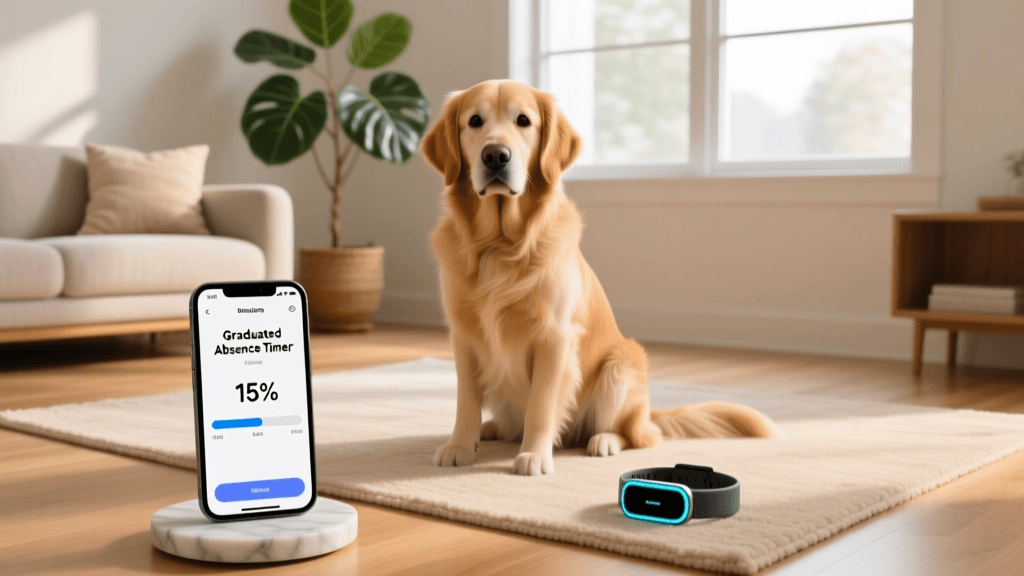
In 2026, relying solely on visual cues is no longer the gold standard for working dog welfare. The integration of biometric smart-harnesses and collars has revolutionized how handlers understand their dog's internal state. Devices that track Heart Rate Variability (HRV) provide real-time data on a dog's autonomic nervous system balance.
- HRV Tracking: A high HRV indicates a relaxed, adaptable dog, while a sudden drop in HRV during a DPT session indicates acute sympathetic nervous system arousal (fight-or-flight mode).
- Respiratory Rate Monitoring: Normal resting respiration for a dog is 15-30 breaths per minute. Smart-harnesses in 2026 can alert a handler's smartwatch if the dog's respiration exceeds 45 breaths per minute while stationary during DPT, signaling the need to abort the task and decompress.
- Temperature and Caloric Expenditure: Stress spikes core body temperature. Monitoring these metrics helps handlers quantify the physical toll a severe panic attack takes on their service dog.
The American Veterinary Medical Association (AVMA) emphasizes that the health and welfare of service animals must be prioritized, and leveraging modern veterinary technology is a key component of responsible ownership in 2026.
Data Table: DPT Stress Indicators vs. Normal Working Behaviors
Understanding the difference between a dog working hard and a dog in distress is vital. Use the following comparison chart to evaluate your PSD's behavior during and immediately after a DPT session.
| Behavioral Cue | Normal Working Context | Stress / Overwhelm Context | Required Handler Action |
|---|---|---|---|
| Deep Sighing | Settling into position, releasing initial physical tension. | Repeated, shuddering sighs while maintaining heavy pressure. | Verbally praise, gently stroke the chest to reassure. |
| Muscle Tremors | None. Muscles should be relaxed but engaged. | Fine trembling in the hindquarters or shoulders. | Release the dog from the task immediately; initiate decompression. |
| Eye Contact | Soft, checking in with the handler periodically. | Hard staring, whale eye, or complete avoidance (shutting down). | Break the task; use a cheerful, low-pressure cue to reset focus. |
| Panting | Light, quiet breathing. | Sharp, shallow panting with a tight, spoon-shaped tongue. | Offer water, move to a cooler environment, end the working session. |
Actionable Post-DPT Decompression Protocols
If your dog exhibits any of the stress signals outlined above, or if they have just completed a prolonged DPT session during a severe mental health episode, immediate decompression is mandatory. In 2026, veterinary behaviorists recommend the following protocols to help working dogs shed the emotional weight of their tasks.
The 15-Minute Sniffari Rule
Sniffing lowers a dog's heart rate and engages the parasympathetic nervous system. For every hour of intense psychiatric work or every major DPT deployment, provide at least 15 minutes of unstructured 'Sniffari' time. Take the dog to a novel, low-traffic outdoor environment, use a long line (15-30 feet), and allow them to dictate the pace and direction of the walk. Do not issue obedience commands during this time.
Mastication Therapy (Chewing)
The physical act of chewing releases endorphins and dopamine in the canine brain, acting as a natural stress reliever. Keep a supply of long-lasting, single-ingredient chews (such as yak milk chews or beef esophagus tubes) in your working bag. After a stressful DPT session, provide a chew in a quiet, dimly lit space. This signals to the dog that the 'threat' has passed and it is safe to engage in self-soothing behaviors.
Sensory Deprivation Rest
Psychiatric service dogs are constantly scanning their environment for their handler's triggers and chemical shifts. After a high-stress event, the dog's brain is fatigued from sensory overload. Provide a 'dark room' protocol: place the dog in their crate or a quiet room with blackout curtains, white noise to mask environmental sounds, and a familiar, unwashed piece of your clothing that smells like you when you are calm and happy. Allow them to sleep uninterrupted for at least two hours.
Conclusion: Protecting Your Canine Partner
Deep Pressure Therapy is a profound gift that psychiatric service dogs offer to their handlers. However, this empathy-driven task requires immense psychological resilience from the dog. By understanding the subtle micro-stress signals, utilizing 2026's biometric monitoring tools, and strictly enforcing post-task decompression protocols, handlers can ensure their dogs remain healthy, happy, and capable of working for years to come. Remember, a service dog's primary job is to assist you, but your primary job as a handler is to protect them.
marcus-aldridge
All our authors care for dogs every day — read more of their work on the authors page.