Dog Travel Safety: 5 Common Car and Flight Myths Debunked
Discover the truth about dog travel safety. We debunk common car and flying myths, offering expert tips, crash-tested gear, and practical advice.
The Reality of Traveling with Your Dog
Traveling with your dog is one of the greatest joys of pet ownership. Whether you are embarking on a cross-country road trip, heading to a local hiking trail, or flying across the country for a long vacation, bringing your furry companion along makes the experience infinitely better. However, the logistics of pet travel are often clouded by outdated advice, well-meaning but incorrect assumptions, and outright dangerous myths. When it comes to the safety of your dog in a vehicle or an airplane, relying on guesswork can lead to tragic consequences.
According to the American Kennel Club, thousands of pets are injured or killed in vehicular accidents every year, many of which could have been prevented with proper, scientifically tested restraint systems. Furthermore, airline policies and veterinary guidelines regarding sedation and cargo travel have evolved significantly over the last decade. In this comprehensive guide, we are separating fact from fiction. We will debunk five of the most pervasive dog travel myths and provide you with actionable, specific, and potentially life-saving advice for your next journey.
Myth 1: Any Harness is a Safe Car Harness
The Myth:
Many dog owners believe that simply clicking their dog's standard walking harness into the car's seatbelt latch is enough to keep them safe during a collision.
The Fact:
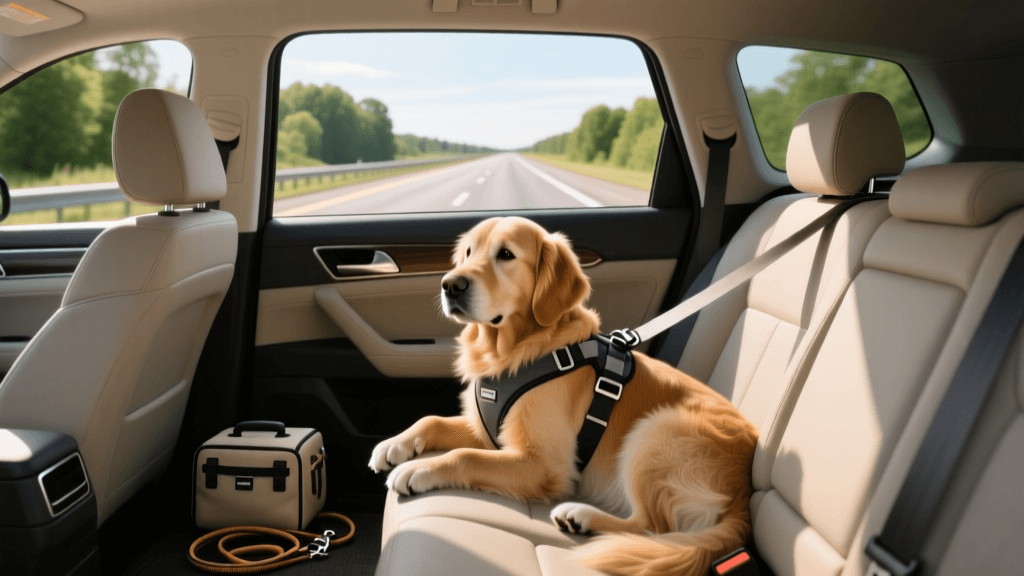
Standard walking harnesses are designed to distribute pressure during a leash pull, not to withstand the immense kinetic energy of a vehicular crash. In a collision at just 30 mph, an unrestrained or improperly restrained dog can become a deadly projectile. The Center for Pet Safety (CPS), a registered 501(c)(3) non-profit research and advocacy organization, has conducted rigorous crash tests on dozens of pet harnesses. Their findings revealed that many popular, expensive walking harnesses completely tear apart or fail to prevent the dog from launching off the seat during a simulated 30 mph crash.
Actionable Advice:
- Invest in CPS-Certified Gear: Purchase a harness that has explicitly passed the CPS crash test standards, such as the Sleepypod Clickit Sport (approximately $90 to $100).
- Proper Fitting: Use the 'two-finger rule.' You should only be able to slide two fingers flat between the harness straps and your dog's chest and girth.
- Correct Tethering: Always thread the vehicle's seatbelt through the designated loops on the harness. Never attach a carabiner or tether directly to the seatbelt webbing, as this alters the geometry of the seatbelt and can cause it to fail or injure the dog.
Myth 2: Wire Crates in the SUV Cargo Area are the Safest Option
The Myth:
It is widely assumed that placing a standard metal wire crate in the back of an SUV and securing it is the gold standard for dog travel safety.
The Fact:
Wire crates are excellent for home training and providing a safe den environment, but they are notoriously dangerous in a car crash. In independent sled tests conducted by the Center for Pet Safety, standard wire crates routinely collapsed, shattered, and bent upon impact, offering virtually zero protection to the canine occupant. Furthermore, if placed in the rear cargo area without proper anchoring, the entire crate can become a heavy, tumbling projectile.
Actionable Advice:
- Upgrade to Rotomolded Crates: For SUV cargo travel, invest in a rotational-molded, crash-tested kennel such as the Gunner G1 (approximately $699) or the Ruff Land Performance Kennel (approximately $500). These are engineered with impact-absorbing materials and reinforced walls.
- Use 4-Point Tie-Downs: Never rely on bungee cords. Use heavy-duty ratcheting tie-down straps rated for at least 500 lbs of force. Attach them to the four corners of the crate and secure them to the factory-installed cargo anchors on your vehicle's floor.
- Size Matters: The crate should be large enough for your dog to stand up and turn around, but no larger. Excess space allows the dog to be thrown around inside the crate during sudden stops, increasing the risk of blunt force trauma.
Myth 3: Letting Dogs Stick Their Heads Out the Window is Harmless Fun
The Myth:
Dogs love the wind in their faces, and allowing them to hang their head out of a moving car window is a harmless, joyful tradition.
The Fact:
While dogs certainly enjoy the olfactory stimulation of the wind, the physical risks are severe. Veterinary ophthalmologists frequently treat dogs for corneal abrasions and ulcers caused by dust, dirt, and high-speed debris striking the eye. Additionally, a sudden swerve or a bump in the road can easily result in a dog being ejected from the vehicle, leading to catastrophic injuries or death. There is also the risk of the dog accidentally stepping on the window control button, rolling the window up on their own neck.
Actionable Advice:
- The Two-Inch Rule: Roll the windows down no more than two inches. This allows for adequate airflow and scent detection while completely preventing the dog from extending its head or paws outside the vehicle.
- Install Window Guards: If you must have the windows down further for ventilation, install a wire mesh window guard like the BreezeGuard (approximately $45 to $60 per window). These slide into the window track and allow full airflow while creating an impenetrable barrier.
- Use Child Locks: Always engage the child safety locks on the rear doors and disable the automatic window switches from the driver's console to prevent accidental roll-ups.
Myth 4: Sedating Your Dog is the Best Way to Keep Them Calm for Flights
The Myth:
If your dog is anxious about flying or riding in the car, giving them a veterinary-prescribed sedative or tranquilizer is the kindest and safest way to manage their stress.
The Fact:
Both the American Veterinary Medical Association (AVMA) and major airlines strongly advise against chemically sedating pets for travel, particularly for air travel. According to United Airlines and other major carriers, sedation depresses the cardiovascular and respiratory systems. At high altitudes, even in pressurized cabins or cargo holds, the decreased oxygen levels can cause severe respiratory distress, hypoxia, and even death in a sedated animal. Furthermore, sedated animals lose their natural ability to brace themselves during turbulence or sudden vehicle stops, increasing the risk of physical injury.
Actionable Advice:
- Natural Calming Alternatives: Consult your vet about non-sedating anxiety relief, such as L-Theanine chews, melatonin, or prescription medications like Trazodone, which manage anxiety without severely depressing the respiratory system.
- Pheromone Therapy: Spray Adaptil (dog-appeasing pheromone) inside the crate or on a bandana 15 to 20 minutes before travel to create a natural calming effect.
- Desensitization Timeline: Begin crate and car acclimation 4 to 6 weeks before your trip. Start by feeding your dog their daily meals inside the stationary crate, then progress to short, 5-minute drives to highly rewarding locations like the park or a pet store.
Myth 5: Small Dogs Are Safe Sitting on Your Lap
The Myth:
Small breed dogs, such as Chihuahuas, Pomeranians, or Toy Poodles, are light enough that they pose no danger to the driver and are perfectly safe sitting on your lap or in the passenger footwell.
The Fact:
Physics does not discriminate based on breed size. In a sudden stop or collision at 30 mph, a 10-pound dog generates roughly 300 pounds of projectile force. If the dog is on your lap, they can be crushed between you and the steering wheel, or they can be thrown into the dashboard. Furthermore, if the passenger airbag deploys, the explosive force (which can exceed 200 mph) will be fatal to a small dog sitting in the front seat or on a lap.
Actionable Advice:
- Backseat Only: Dogs of all sizes must ride in the back seat. The front passenger airbag is a lethal hazard for canines.
- Use an Airline-Approved Soft Carrier: For small dogs under 15 lbs, secure them inside a soft-sided carrier like the Sherpa Original Deluxe (approximately $50). Place the carrier on the floor behind the passenger seat, or secure it on the back seat using the seatbelt threaded through the carrier's handles.
Car Restraint Options: A Comparative Guide
To help you make an informed purchasing decision, review the comparison chart below detailing the most common dog travel restraints, their associated costs, and their verified safety ratings.
| Restraint Type | Average Cost | Safety Rating | Best Use Case |
|---|---|---|---|
| Standard Walking Harness | $15 - $30 | Fail (Not Crash Tested) | Daily walks only; never for car travel |
| CPS-Certified Harness | $80 - $120 | 5-Star Crash Tested | Back seat car travel for medium/large dogs |
| Standard Wire Crate | $50 - $100 | Fail (Collapses on impact) | Home training and indoor confinement |
| Rotomolded Crash-Tested Crate | $500 - $750 | 5-Star Crash Tested | SUV cargo area travel with tie-downs |
| Soft-Sided Airline Carrier | $40 - $70 | N/A (Cabin use only) | In-cabin flights, secured on car floor |
Final Thoughts on Safe Travels
Debunking these common myths is the first step toward ensuring that every adventure you take with your dog is as safe as it is memorable. Upgrading to crash-tested equipment, avoiding dangerous sedation, and respecting the laws of physics might require a higher upfront financial investment and a bit more preparation time, but the peace of mind is invaluable. By prioritizing verified safety standards over convenient assumptions, you are guaranteeing that your best friend will be by your side for many more miles to come.
priya-sutaria
All our authors care for dogs every day — read more of their work on the authors page.