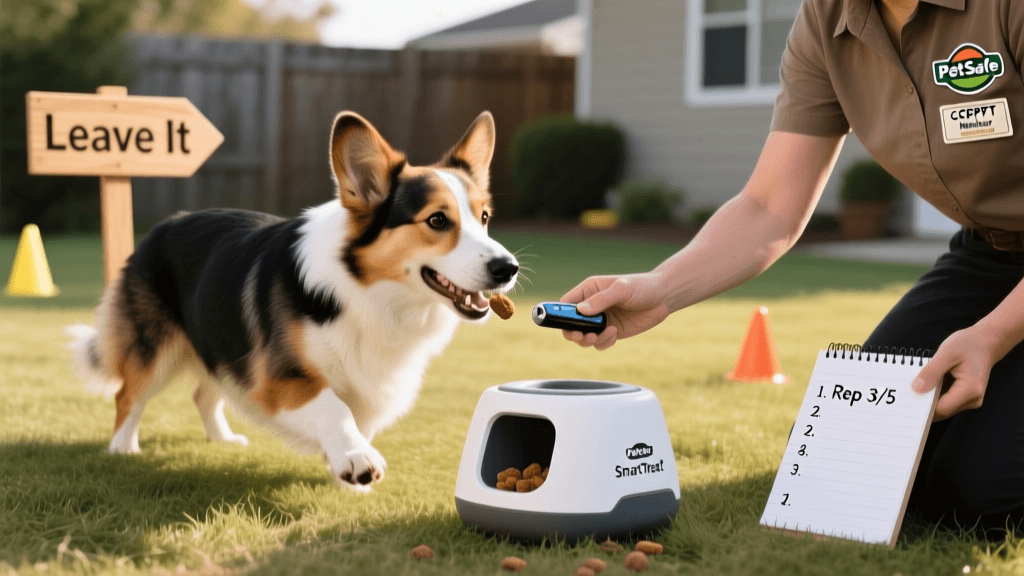
High-Value Training Treats: Balancing Nutrition & Obedience
Learn how to balance high-value training treats with your dog's daily nutrition. Discover calorie management, healthy alternatives, and expert feeding tips.
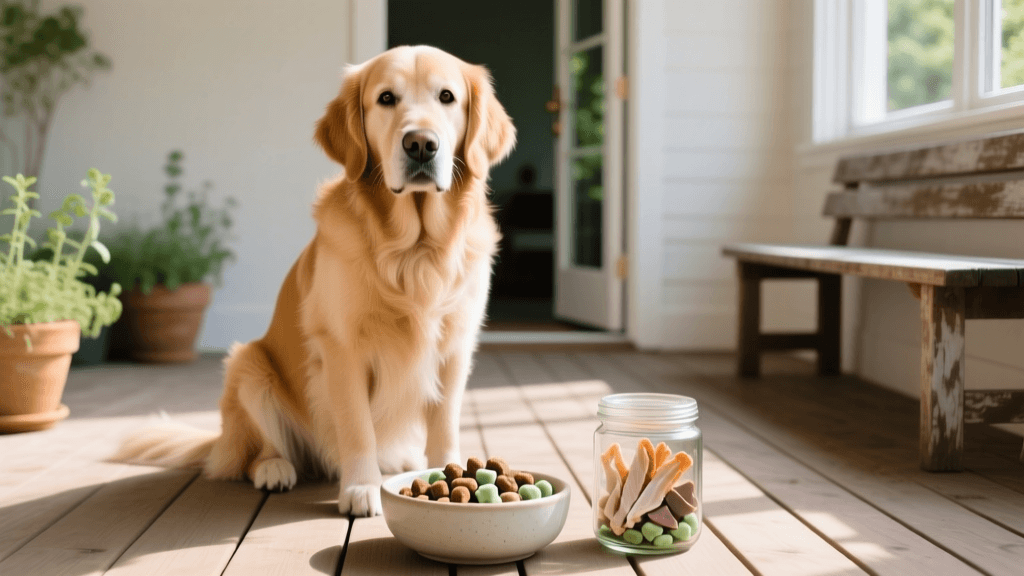
The Hidden Cost of Positive Reinforcement: Treat-Induced Obesity
Positive reinforcement is universally recognized as the gold standard for canine behavioral conditioning, trick teaching, and obedience training. By rewarding desired behaviors with food, trainers can effectively communicate with their dogs and build reliable responses. However, this highly effective methodology harbors a hidden health risk: treat-induced obesity. When trainers conduct multiple short sessions daily, the sheer volume of calories consumed through rewards can quickly exceed a dog's metabolic needs.
According to the Association for Pet Obesity Prevention (APOP), over 50% of dogs in the United States are classified as overweight or obese. This excess adipose tissue is not merely a cosmetic issue; it drastically increases the risk of osteoarthritis, cardiovascular disease, and insulin resistance. For working dogs or those engaged in agility and advanced trick training, carrying extra weight places immense, unnecessary stress on joints and connective tissues, ultimately hindering their physical performance and shortening their active careers.
The 10% Rule and Calculating the Training Calorie Budget
To mitigate the risk of obesity while maintaining high motivation during training sessions, veterinary nutritionists and behaviorists advocate for the "10% Rule." The American Kennel Club (AKC) advises that treats, chews, and training snacks should comprise no more than 10% of your dog’s total daily caloric intake. The remaining 90% must come from a complete and balanced commercial diet or a veterinary-approved homemade meal plan.
Let us break down the actionable mathematics for a moderately active 30-pound adult dog. First, we calculate the Resting Energy Requirement (RER) using the formula: 70 x (body weight in kg)^0.75. For a 30-pound dog (approximately 13.6 kg), the RER is roughly 490 calories per day. Multiplying this by a factor of 1.6 for a moderately active adult yields a Maintenance Energy Requirement (MER) of approximately 784 calories per day.
Applying the 10% Rule, this dog has a strict "training budget" of just 78 calories per day. If you are using standard commercial training treats that contain 5 calories each, you are limited to roughly 15 treats per day. In a high-repetition obedience drill or a busy socialization outing, 15 rewards can be exhausted in less than ten minutes. This mathematical reality forces trainers to become strategic about treat size, caloric density, and alternative reinforcement methods.
High-Value vs. Low-Value Treats: A Nutritional Breakdown
In behavioral conditioning, "high-value" treats are typically highly palatable, aromatic, and rich in protein or fat. These are reserved for high-distraction environments, recall training, or introducing complex new tricks. "Low-value" treats are generally bland, lower in calories, and used for repetitive, known behaviors in low-distraction settings. Understanding the nutritional profile of your training arsenal is critical for budget management.
| Treat Category | Brand / Example | Calories per Piece | Protein Content | Est. Cost per Oz |
|---|---|---|---|---|
| Low-Value Kibble | Purina Pro Plan Sport (Daily Diet) | 3 - 4 kcal | 30% | $0.25 |
| Commercial Training Bit | Zuke's Mini Naturals (Chicken) | 3.5 kcal | 14% | $1.10 |
| High-Value Soft Treat | Blue Buffalo Bits (Beef) | 3.0 kcal | 12% | $1.25 |
| Premium High-Value | Freeze-Dried Beef Liver | 1.0 kcal (pea-sized) | 80% | $3.50 |
| Whole Food Alternative | Boiled Chicken Breast (Diced) | 2.5 kcal (pea-sized) | 85% | $0.60 |
As the table illustrates, breaking high-value treats into pea-sized morsels drastically alters the caloric math. A single piece of freeze-dried liver can be crumbled into five tiny fragments, each delivering a massive olfactory punch and high-value taste profile for just 0.2 calories. This technique, known as "treat fractioning," allows trainers to maintain peak canine motivation without blowing through the daily caloric budget.
Strategic Hand-Feeding and Kibble Utilization
One of the most effective strategies for managing weight during intensive training periods is to abandon the food bowl entirely. By measuring out your dog’s daily MER allotment of kibble in the morning, you can use their primary, balanced diet as the foundation for your training rewards. This method, often referred to as hand-feeding or "working for a living," transforms every meal into an opportunity for behavioral conditioning.
For baseline obedience drills—such as sit, down, stay, and loose-leash walking in the living room—standard kibble is highly effective. Dogs are opportunistic scavengers, and when hungry, even dry extruded kibble becomes a valuable currency. Reserve the high-value, calorie-dense options (like boiled chicken or freeze-dried liver) exclusively for the "premium" moments: executing a flawless recall at the dog park, overcoming a fear trigger during socialization, or mastering a complex agility sequence.
The Role of Hydration and Moisture in Training Treats
An often-overlooked aspect of treat selection during intensive training sessions is moisture content and its impact on canine hydration and satiety. Dry, extruded treats and freeze-dried proteins possess a moisture content of less than 10%. When a dog consumes dozens of these dry rewards over the course of a long agility trial or a multi-hour obedience seminar, they can experience mild dehydration, which negatively impacts cognitive function and physical stamina.
Incorporating high-moisture training rewards—such as canned low-sodium chicken, pureed baby food (strictly free of onion or garlic powder), or commercially available lick-tubes—can serve a dual purpose. First, the high water content aids in systemic hydration. Second, the act of licking releases endorphins in the canine brain, providing a natural calming effect that is exceptionally useful for settling exercises, mat training, or counter-conditioning reactive dogs in high-stress environments. A single squeeze of a 5-calorie meat-based lick-tube can sustain a dog's focus for up to thirty seconds, providing a prolonged reinforcement window that a quickly swallowed dry biscuit simply cannot match.
Nutritional Support for High-Impact Training and Joint Health
When training transcends basic obedience and enters the realm of agility, flyball, or advanced trick conditioning (like jumping into arms or walking on hind legs), nutritional support must extend beyond simple calorie counting. High-impact training places repetitive concussive forces on canine joints, making proactive nutritional supplementation a vital component of the training regimen.
The World Small Animal Veterinary Association (WSAVA) Global Nutrition Committee emphasizes the importance of assessing a dog's specific physiological demands based on their lifestyle and activity level. For canine athletes, incorporating therapeutic levels of Omega-3 fatty acids (specifically EPA and DHA sourced from marine fish oil) is proven to modulate joint inflammation. Additionally, supplements containing glucosamine hydrochloride, chondroitin sulfate, and green-lipped mussel extract can support cartilage matrix integrity. Always consult with a board-certified veterinary nutritionist before adding concentrated supplements to ensure they do not disrupt the calcium-to-phosphorus ratio or overall caloric density of the diet.
A Sample Daily Training Nutrition Protocol
To synthesize these concepts into an actionable routine, consider the following daily protocol for a 30-pound dog undergoing moderate obedience and socialization training:
- Morning (7:00 AM): Measure out the total daily kibble allowance (approx. 1.5 cups). Remove 25% of this into a designated "training pouch" for the day's walks and sessions.
- Mid-Day Walk (12:00 PM): Use the kibble from the pouch for loose-leash walking and "check-in" rewards in low-distraction environments. Cost: 0 extra calories.
- Afternoon Socialization (3:00 PM): Introduce high-distraction stimuli (e.g., outdoor cafe, busy park). Use pea-sized pieces of boiled chicken breast (approx. 10 calories total) for counter-conditioning and focus exercises.
- Evening Meal (6:00 PM): Feed the remaining 75% of the daily kibble in a slow-feeder puzzle toy or snuffle mat to encourage foraging behaviors and mental stimulation without adding caloric load.
- Nighttime Trick Training (8:00 PM): Dedicate 5 minutes to shaping a new trick (e.g., "spin" or "roll over"). Use crumbled freeze-dried liver (approx. 3 calories total) to maintain high enthusiasm for cognitive work.
By meticulously managing the intersection of canine nutrition and behavioral conditioning, you safeguard your dog's physical health while accelerating their learning curve. Training should never come at the expense of longevity; instead, a well-planned nutritional strategy ensures your canine partner remains lean, motivated, and physically capable of mastering every command you teach.
beth-carrasco
All our authors care for dogs every day — read more of their work on the authors page.