Master Leash Walking: Essential Dog Training Tips for Stress-Free Strolls
Discover expert dog training tips for leash walking. Learn step-by-step methods to stop pulling, build good habits, and enjoy stress-free walks with your pup.
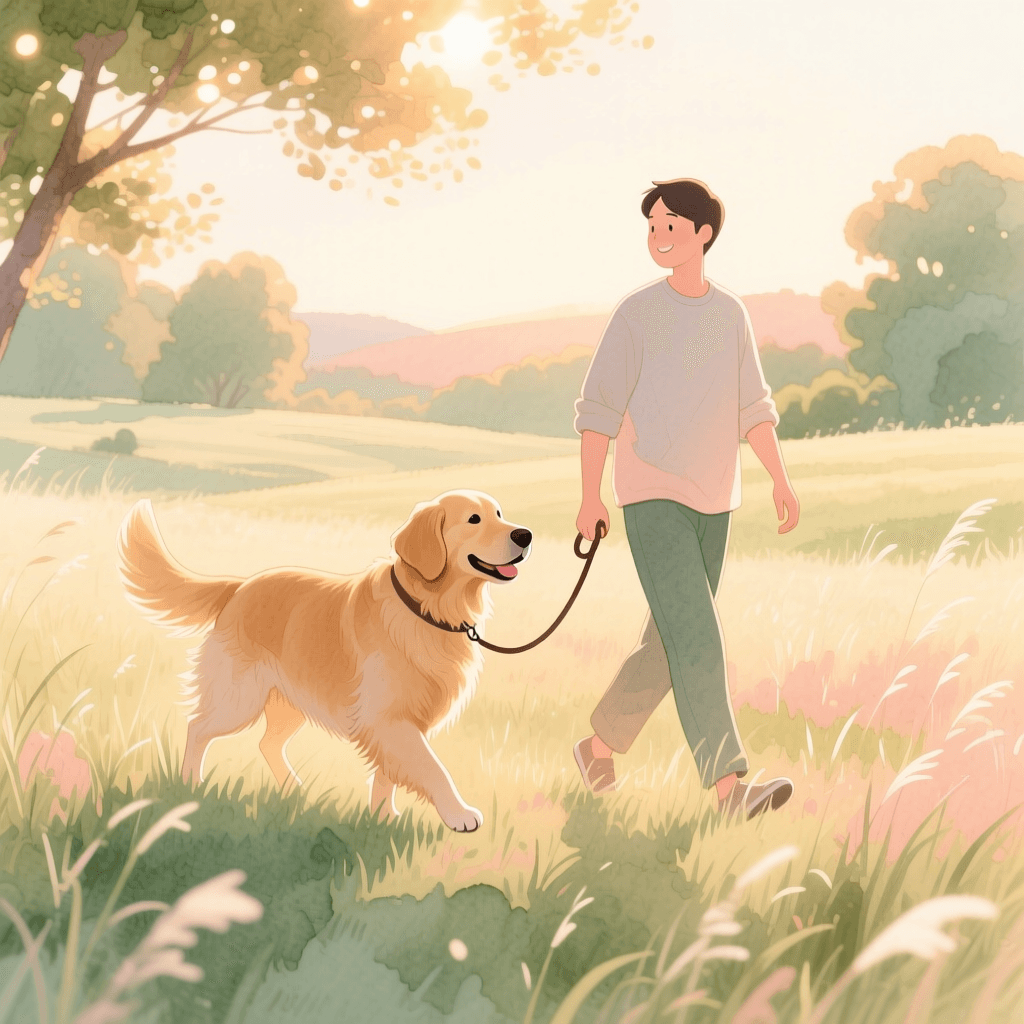
Walking your dog should be one of the most rewarding parts of pet ownership. It is a time to bond, explore the neighborhood, and help your furry friend burn off excess energy. However, for many dog owners, a simple stroll quickly turns into a frustrating game of tug-of-war. If your daily walks feel more like a wrestling match than a relaxing outing, you are not alone. Leash pulling is one of the most common behavioral challenges dog owners face, but with the right approach, it is entirely fixable.
Whether you are working on puppy training basics with a new addition to your family or trying to correct years of bad habits with an adult dog, mastering loose leash walking is essential for your dog's safety and your peace of mind. In this comprehensive guide, we will explore the psychology behind pulling, the best gear to use, and actionable dog training tips for leash walking that will transform your daily strolls into stress-free adventures.
Understanding Why Dogs Pull on the Leash
Before diving into training techniques, it is crucial to understand why dogs pull in the first place. Dogs do not pull on the leash to be defiant or to dominate you; they pull because it works. When a dog pulls forward and you follow them, they learn that pulling is the most effective way to get where they want to go.
Additionally, dogs experience the world primarily through their noses. A single fire hydrant or patch of grass contains a wealth of information about who has been there, what they ate, and how long ago they visited. When your dog spots an interesting scent or sees another animal, their natural instinct is to move toward it as quickly as possible.
Breed traits also play a significant role in leash manners. For example, a Siberian Husky has been bred for centuries to pull sleds, making loose leash walking a unique challenge that requires immense patience. Similarly, a Golden Retriever might pull simply out of overwhelming excitement to greet every person and dog they see. Understanding your dog's specific motivations will help you tailor your training approach for the best results.
Finally, dogs experience an 'opposition reflex.' This is a natural physiological response where a dog instinctively pushes against pressure. If you pull back on a tight leash, your dog's natural reflex is to pull harder in the opposite direction. Recognizing this reflex is the first step toward utilizing modern, force-free training methods that rely on positive reinforcement rather than physical correction.
Essential Gear for Successful Leash Training
Having the right equipment can make or break your leash training sessions. While it is tempting to rely on quick-fix gadgets, the best tools are those that keep your dog safe & secure while allowing you to communicate clearly.
The Right Harness
A well-fitted harness is generally superior to a collar for leash training. Collars can put dangerous pressure on a dog's trachea and thyroid gland, especially if the dog is a heavy puller. When selecting a harness, look for a front-clip option. A front-clip harness has the leash attachment ring located on the dog's chest. When the dog pulls, the front clip gently redirects their momentum back toward you, naturally discouraging the pulling behavior without causing pain.
The Proper Leash
For training purposes, a standard, non-retractable leash between four and six feet in length is ideal. This length gives your dog enough room to sniff and explore while keeping them close enough for you to maintain control and deliver treats quickly. Avoid retractable leashes during training; they teach dogs that pulling extends the leash, which directly contradicts the concept of loose leash walking.
High-Value Treats and a Treat Pouch
Positive reinforcement requires immediate rewards. If you are fumbling in your pockets for a treat while your dog is sitting perfectly by your side, the moment is lost. Invest in a dedicated treat pouch that attaches to your waist or belt. Fill it with high-value, soft, and smelly treats—like small pieces of boiled chicken, cheese, or commercial training treats. For more on reward-based methods, check out our positive reinforcement guide.
Step-by-Step Guide to Leash Training Your Dog
Now that you have the right gear and understand the 'why' behind the behavior, it is time to put these dog training tips for leash walking into practice. Remember that patience and consistency are your greatest allies.
Step 1: Desensitize Your Dog to the Gear
If your dog gets overly excited or fearful when they see the harness and leash, you need to start before you even leave the house. Leave the harness out near their bed or food bowl so they associate it with good things. Practice putting the harness on and taking it off, rewarding them with treats & praise each time. Clip the leash on and let them drag it around the house (under strict supervision) so they get used to the feeling of weight attached to their body.
Step 2: Practice Indoor Foundation Work
The outdoors is full of overwhelming distractions. Start your training in a quiet, familiar environment like your living room or hallway. Put the leash on and simply stand still. Wait for your dog to look at you or take a step toward you, and immediately reward them. Practice walking a few steps indoors, rewarding your dog every time they stay near your leg without putting tension on the leash. This builds the foundational understanding that staying close to you yields rewards.
Step 3: The 'Stop & Go' Method
This is the cornerstone of loose leash walking. Begin walking in your yard or a quiet street. The moment your dog pulls and the leash goes tight, stop walking immediately. Become a tree. Do not yank the leash or yell; simply stand completely still. Wait for your dog to stop pulling and look back at you, or take a step back toward you to create slack in the leash. The second the leash is loose, mark the behavior with a cheerful 'Yes!' and resume walking. This teaches the dog that a tight leash means the walk stops, while a loose leash means the walk continues.
Step 4: The 'Change Direction' Technique
If your dog is highly motivated and the 'Stop & Go' method is not working, try changing direction. When your dog pulls ahead, say a cue word like 'Let's go,' turn 180 degrees, and walk the other way. When your dog catches up to you and is walking by your side, reward them heavily. This technique keeps your dog engaged and teaches them to pay attention to your movements rather than forging ahead blindly.
Step 5: Add Distance and Distractions Gradually
Once your dog is walking reliably in low-distraction environments, slowly increase the difficulty. Move from your backyard to the front yard, then to a quiet sidewalk, and eventually to busier parks. If your dog regresses and starts pulling in a new environment, take a step back and reduce the distance or distraction level. For more advanced strategies on managing heavy pullers, read our dedicated guide on how to stop your dog from pulling.
Pro Tips for Maintaining Good Leash Manners
Training is not a one-time event; it is an ongoing lifestyle. To ensure your dog maintains their excellent leash manners, incorporate these pro tips into your daily routine.
- Keep Training Sessions Short: Dogs have short attention spans, especially when learning something new. Keep your focused training walks to 10 or 15 minutes. You can still go on longer 'sniffaris' where the rules are slightly more relaxed, but dedicated training should be brief and positive.
- Use a Release Cue: Teach your dog a cue like 'Free' or 'Go sniff' that lets them know when they are allowed to pull slightly toward a bush to investigate a scent. This gives them a mental break and satisfies their natural foraging instincts without ruining your loose leash training.
- Reward the 'Check-In': Whenever your dog voluntarily looks up at you while walking, reward them. This builds a habit of checking in with you for guidance, which is incredibly useful when approaching distractions.
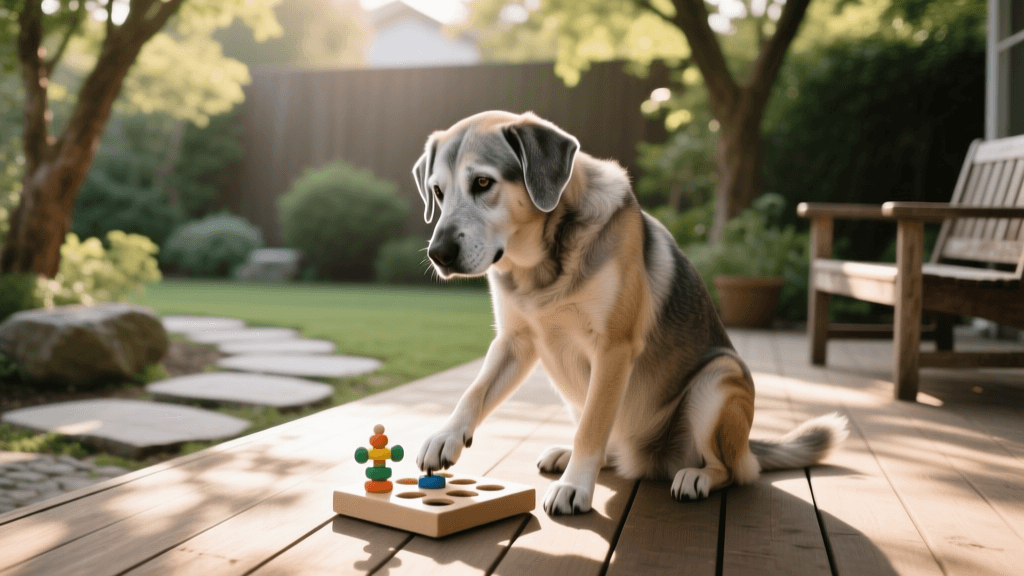
- Exercise Before Training: A dog bursting with pent-up energy will struggle to focus on leash manners. If you have a high-energy breed, play a quick game of fetch or do some mental enrichment puzzles before heading out for a training walk.
Common Leash Walking Mistakes to Avoid
Even the most dedicated pet parents can fall into bad habits. Avoid these common pitfalls to ensure your training progresses smoothly.
Inconsistency in Rules
If you allow your dog to pull to the park but demand a loose leash on the way home, your dog will be confused. Dogs thrive on clear, consistent boundaries. Every time the leash is on, the rules must apply. If you do not have the patience for a training walk on a particular day, use a longer line in an open field or play in the yard instead of reinforcing the pulling habit on the sidewalk.
Relying on Retractable Leashes
As mentioned earlier, retractable leashes are counterproductive to training. Furthermore, they can be dangerous. The thin cord can cause severe rope burns if it wraps around your leg or your dog's leg, and the bulky handle can easily be dropped if a strong dog lunges unexpectedly. Stick to a sturdy, fixed-length leather or biothane leash for maximum control and safety.
Punishing the Dog
Yelling, jerking the leash, or using aversive equipment like prong or shock collars may suppress the pulling behavior temporarily out of fear, but they do not teach the dog what you want them to do instead. Punishment can also create negative associations with the outdoors, leading to fear-based reactivity or aggression. Always prioritize force-free, reward-based methods to build a trusting relationship with your dog.
Walking at the Wrong Pace
Ensure you are walking at a pace that is comfortable for your dog. A tiny Chihuahua will struggle to keep up with a power-walker, while a long-legged Greyhound will feel frustrated by a slow amble. Adjust your stride and speed to match your dog's natural gait, making it easier for them to stay by your side.
Frequently Asked Questions
How long does it take to leash train a dog?
There is no universal timeline for leash training, as it depends heavily on the dog's age, breed, previous habits, and the owner's consistency. A young puppy learning the rules for the first time might grasp the concept in a few weeks. Conversely, an adult dog that has spent years successfully pulling you down the street may take several months of dedicated, daily practice to unlearn the behavior. The key is to celebrate small victories and remain patient throughout the process.
What is the best age to start leash training?
You can begin introducing a harness and leash to a puppy as soon as you bring them home, usually around eight weeks of age. Start with very short, positive indoor sessions. However, remember that young puppies have limited bladder control and attention spans. Formal outdoor leash walking should be kept brief and highly rewarding. For a complete timeline of early development, review our puppy training basics guide.
Should I use a harness or a collar for leash training?
For the vast majority of dogs, a front-clip harness is the safest and most effective tool for leash training. It prevents damage to the delicate structures of the neck and provides better leverage for the handler. Flat collars are excellent for holding ID tags and rabies vaccines, but they should not be used as the primary attachment point for a leash if your dog has a tendency to pull. Martingale collars can be used for sighthounds or dogs with narrow heads that can slip out of standard collars, but a harness remains the top recommendation for behavioral training.
Why does my dog walk perfectly in the yard but pull on the street?
This is a classic example of context-specific behavior and distraction thresholds. Your backyard is a familiar, low-stimulation environment where your dog feels secure and bored enough to focus on you. The street, however, is a sensory wonderland filled with novel scents, moving cars, wildlife, and other people. When the environmental distractions exceed your dog's current training level, they revert to their default behavior of pulling. To fix this, you must gradually bridge the gap by practicing in slightly more distracting environments and increasing the value of your rewards.
How do I stop my dog from lunging at other dogs on walks?
Lunging at other dogs is often rooted in fear, frustration, or over-excitement, rather than just poor leash manners. The first step is to manage the environment by keeping enough distance between your dog and the trigger so that your dog remains under their reactivity threshold. When your dog notices another dog but remains calm, reward them heavily. Over time, you can decrease the distance as your dog learns that the presence of other dogs predicts good things from you. If your dog struggles with severe reactivity, consult a certified professional dog trainer and read our comprehensive socialization tips to help build your dog's confidence around others.
Mastering loose leash walking is a journey that requires time, empathy, and a pocket full of high-value treats. By understanding your dog's motivations, utilizing the right gear, and consistently applying these dog training tips for leash walking, you will transform your daily walks from a stressful chore into a joyful bonding experience. Grab your leash, fill your treat pouch, and step outside to enjoy the wonderful world with your best friend.
Paws&Tales
All our authors care for dogs every day — read more of their work on the authors page.