The Ultimate Guide to Dog Training Tips for Beginners at Home
Discover essential dog training tips for beginners at home. Learn step-by-step methods, common mistakes to avoid, and how to build a strong bond with your pup.
The Ultimate Guide to Dog Training Tips for Beginners at Home
Bringing a new dog into your home is one of life’s most rewarding experiences. Whether you have just adopted a bouncy puppy or rescued a gentle senior dog, the bond you share is built on mutual trust, understanding, and clear communication. However, without proper guidance, that excitement can quickly turn into frustration when faced with chewed shoes, potty accidents, and ignored commands. This is where establishing a solid training foundation becomes absolutely crucial.
Training your dog at home is not just about teaching them parlor tricks to impress your friends; it is about creating a shared language that keeps your dog safe, mentally stimulated, and deeply connected to you. You do not need to be a professional animal behaviorist to raise a well-mannered canine companion. With patience, consistency, and the right techniques, anyone can master the art of dog training.
In this comprehensive guide, we will walk you through the most effective dog training tips for beginners at home. From setting up your environment for success to mastering essential obedience commands and avoiding common pitfalls, you will find everything you need to start your training journey on the right paw.
Setting the Foundation: Preparing Your Home & Mindset
Before you even pick up a treat or a clicker, you must prepare your environment and your mindset. Dogs are highly perceptive creatures that feed off our energy. If you are stressed, rushed, or frustrated, your dog will sense it and likely become anxious or uncooperative.
The 3-3-3 Rule of Decompression
If you have recently brought home a rescue dog or a new puppy, it is vital to understand the 3-3-3 rule of decompression. During the first 3 days, your dog may feel overwhelmed, scared, or unsure of their new surroundings. They might not eat much or test the boundaries. After 3 weeks, they start to settle in, figure out your routine, and show their true personality. By 3 months, they finally feel at home and build a deep bond of trust with you. Recognizing this timeline helps you set realistic expectations and approach training with empathy rather than frustration.
Creating a Distraction-Free Training Zone
When teaching a new behavior, the environment is everything. A living room with the television blaring, children running around, and other pets playing is a recipe for a distracted dog. Choose a quiet, familiar room in your house to serve as your primary training zone. As your dog becomes more proficient at a command, you can gradually introduce distractions, eventually moving to the backyard and then to public parks. This process, known as proofing, ensures your dog will listen to you regardless of the environment.
Gathering Your Training Supplies
To set yourself up for success, gather the following essentials before your session begins:
- High-Value Treats: Soft, smelly treats work best. Check out our guide on the best training treats to find options your dog will love.
- A Clicker or Marker Word: A mechanical clicker or a consistent verbal marker like “Yes!” tells your dog the exact millisecond they performed the correct behavior.
- A Treat Pouch: Keeps your hands free and treats easily accessible.
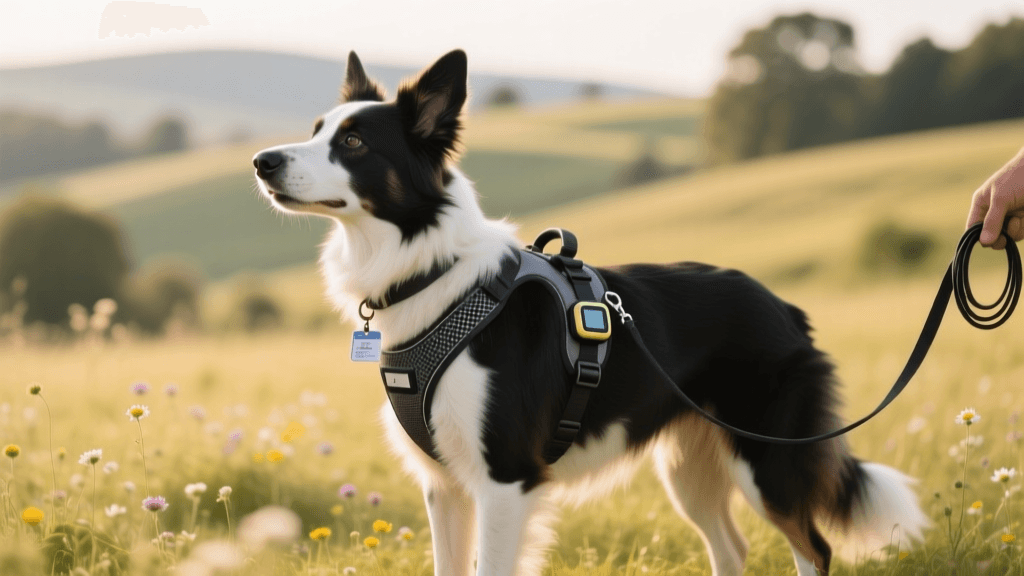
- A Standard Leash & Harness: Avoid retractable leashes during training, as they teach dogs that pulling gets them where they want to go.
Essential Commands Every Dog Should Know
Teaching basic obedience is the cornerstone of a well-behaved dog. These commands are not just about manners; they are vital safety tools that can prevent your dog from running into traffic or ingesting something dangerous. For a deeper dive into advanced obedience, be sure to explore our basic obedience commands masterclass.
1. The “Sit” Command
The “sit” command is usually the easiest behavior to teach and serves as a polite way for your dog to ask for things, like their dinner or a walk.
- Hold a high-value treat close to your dog’s nose.
- Slowly move your hand up and slightly back over their head. As their nose follows the treat, their bottom will naturally lower to the ground.
- The exact moment their hindquarters touch the floor, click your clicker or say “Yes!” and give them the treat.
- Repeat this process several times. Once they are consistently following the lure, add the verbal cue “Sit” right before you move your hand.
2. The “Stay” Command
“Stay” requires impulse control, which is challenging for high-energy breeds like the Border Collie but entirely achievable with practice.
- Ask your dog to sit.
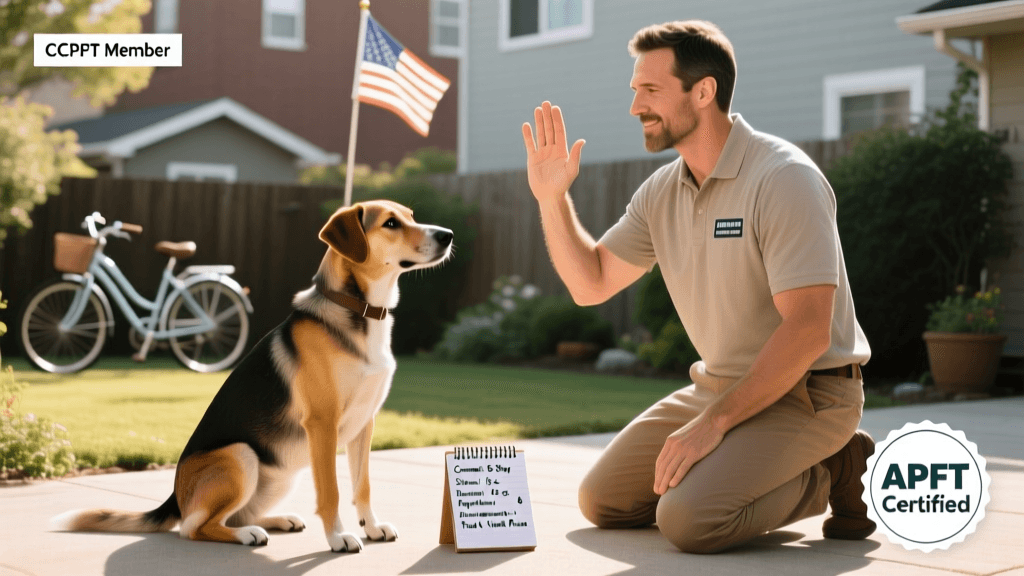
- Hold your hand out flat like a stop sign and say “Stay.”
- Take one single step back. If your dog remains in place, immediately mark the behavior with a “Yes!” and reward them.
- Gradually increase the distance you step back and the duration you wait before rewarding. Never call your dog to you to break the stay; instead, walk back to them to deliver the reward so they learn that staying put is what earns the prize.
3. The “Come” (Recall) Command
A reliable recall can save your dog’s life. The golden rule of recall training is to never use the word “come” for something your dog perceives as negative, such as a bath or a nail trim.
- Start in a quiet room with your dog on a leash.
- Take a few steps away, crouch down to their level, and enthusiastically say their name followed by “Come!”
- Gently guide them toward you with the leash if necessary, but rely mostly on your excited tone and body language.
- When they reach you, throw a reward party with lots of praise and premium treats. Make coming to you the best thing in the world.
4. The “Leave It” Command
This command prevents your dog from eating dropped medication, toxic foods, or dangerous objects on walks.
- Place a low-value treat on the floor and cover it with your hand.
- Say “Leave it.” Your dog will likely sniff, lick, and paw at your hand. Wait patiently.
- The moment they pull their nose away and look up at you, mark the behavior and reward them with a different, higher-value treat from your other hand.
- Progress to uncovering the treat on the floor, hovering your hand over it, and eventually standing up while commanding them to leave it.
Mastering Potty Training at Home
Potty training is often the most stressful aspect of bringing a new dog home. The key to success is supervision, routine, and positive reinforcement. Punishing a dog for an accident after the fact is entirely ineffective, as dogs do not possess the cognitive ability to connect a past action with a present scolding.
Establishing a Bathroom Schedule
Dogs thrive on routine. Puppies, in particular, have tiny bladders and need frequent opportunities to eliminate. Take your dog outside immediately after they wake up, after every meal, after a vigorous play session, and right before bed. A general rule of thumb for puppies is that they can hold their bladder for one hour for every month of age, up to a maximum of about eight hours for an adult dog.
Utilizing Crate Training
Dogs are naturally den animals and instinctively avoid soiling their sleeping area. A properly sized crate is one of the most powerful tools for potty training. If the crate is too large, your dog may use one corner as a bathroom and sleep in the other. If you are struggling with this process, our comprehensive puppy crate training guide offers step-by-step advice to make the crate a happy, safe space.
Handling Accidents Gracefully
Accidents will happen. When they do, interrupt the behavior with a neutral sound like “Oops!” or a gentle clap, immediately scoop up or lead your dog outside to finish, and reward them heavily for finishing outdoors. Clean indoor accidents thoroughly with an enzymatic cleaner designed specifically for pet urine. Standard household cleaners often leave behind trace amounts of ammonia that humans cannot smell, but which act as a beacon inviting your dog to soil the same spot again.
Leash Training & Indoor Socialization
Walking your dog should be a relaxing experience, not a tug-of-war. Furthermore, socialization is not just about meeting other dogs; it is about exposing your dog to new surfaces, sounds, and sights in a positive way.
Starting Leash Training Indoors
Before you hit the busy streets, practice leash walking inside your home. Clip the leash to your dog’s harness and let them drag it around while you supervise, allowing them to get used to the weight and feeling. Next, pick up the leash and follow them around the house. Finally, encourage them to follow you by using a happy voice and treats. If they pull ahead, stop walking immediately. Become a tree. Only move forward when the leash is slack. For more advanced outdoor techniques, read our leash walking masterclass.
At-Home Socialization Exercises
If your puppy is not yet fully vaccinated, or if you have a nervous rescue dog, you can socialize them safely at home. Play recordings of thunderstorms, fireworks, and city traffic at a very low volume while feeding them their favorite meals. Gradually increase the volume over several weeks. Introduce them to different textures by laying out bubble wrap, grates, and slippery mats on the floor and rewarding them for walking across them. Breeds known for their loyalty and protective instincts, such as the German Shepherd, benefit immensely from early, positive exposure to strange noises and novel objects to prevent fear-based reactivity later in life.
Pro Tips & Common Beginner Mistakes to Avoid
Even the most dedicated pet parents can fall into bad habits that hinder their dog’s progress. Being aware of these common pitfalls will save you hours of frustration.
Pro Tips for Success
- Keep Sessions Short: Dogs have the attention span of a toddler. Aim for three to five 5-minute sessions per day rather than one grueling hour-long session.
- End on a Positive Note: Always finish your training session with a command your dog knows well and can perform easily. This leaves them feeling confident and eager for the next session.
- Train Before Meals: A slightly hungry dog is a highly motivated dog. Schedule your training sessions right before breakfast or dinner.
- Capture Good Behavior: Don’t just train during formal sessions. If your dog chooses to lie quietly on their bed while you cook, toss them a treat. Rewarding calm behavior encourages them to repeat it.
Common Mistakes Beginners Make
- Repeating the Cue: Saying “Sit, sit, sit, sit” teaches your dog that the command is actually “sit-sit-sit-sit” or that they don’t have to listen the first time. Say the cue once, wait a few seconds, and if they don’t respond, gently lure them into the position and try again in a less distracting environment.
- Inconsistent Rules: If you allow your dog on the couch when you are wearing casual clothes but scold them when you are dressed for work, they will become confused. Rules must be black and white, enforced by every member of the household.
- Poisoning the Cue: As mentioned with the recall command, if you call your dog to you and then immediately do something they dislike, you have poisoned the cue. Always pair commands with positive outcomes.
- Using Physical Punishment: Hitting, yelling, or using shock collars damages the trust between you and your dog and can lead to fear-based aggression. Positive reinforcement is scientifically proven to be more effective and builds a happier, more confident dog.
Frequently Asked Questions (FAQ)
As you embark on your training journey, you are bound to encounter unique challenges. Here are answers to some of the most common questions beginner dog trainers ask.
How long should daily training sessions be?
For puppies and beginner dogs, training sessions should be kept incredibly short—typically between 3 to 5 minutes. Dogs learn best through repetition and frequent breaks. It is far more effective to do three 5-minute sessions spread throughout the day than to force your dog to focus for 30 minutes straight, which will only lead to mental fatigue and frustration for both of you.
What are the best treats for dog training?
The best training treats are small, soft, and highly aromatic. You want treats that your dog can swallow quickly so they don’t spend two minutes chewing and lose focus. Boiled chicken breast, tiny pieces of string cheese, or commercial soft training bites work wonderfully. Remember to account for these extra calories in your dog’s daily diet to prevent weight gain. Visit our nutrition section for healthy, low-calorie treat recipes you can make at home.
How do I stop my puppy from biting & nipping?
Puppy nipping is a completely normal developmental phase. Puppies explore the world with their mouths and are also going through the teething process. The most effective way to stop biting is through redirection. When your puppy’s teeth touch your skin, let out a high-pitched “Ouch!” to mimic the sound a littermate would make, immediately withdraw your attention for a few seconds, and then offer them an appropriate chew toy. Praise them heavily when they chew on the toy instead of you.
Is it ever too late to train an older dog?
The old adage that “you can’t teach an old dog new tricks” is entirely false. While older dogs may take a little longer to unlearn ingrained bad habits, they often have longer attention spans and are calmer than puppies. Senior dogs can absolutely learn new commands, leash manners, and household rules. The key is to be patient, use high-value rewards, and ensure that any physical limitations, such as arthritis, are accommodated during training (for example, teaching a “down” on a soft orthopedic bed rather than a hard floor).
Why does my dog ignore me outside?
If your dog listens perfectly in the living room but ignores you in the yard, they are experiencing environmental distraction. The outdoors is filled with fascinating smells, squirrels, and noises that are far more rewarding than your voice. To fix this, you must become more interesting than the environment. Use ultra-high-value treats (like real meat) that your dog only gets during outdoor training. Practice your commands in the quietest outdoor space first, and slowly work your way up to busier environments as your dog’s focus improves.
Conclusion
Training your dog at home is a deeply fulfilling journey that requires time, empathy, and unwavering consistency. By setting up a positive environment, mastering the essential commands, and avoiding common beginner mistakes, you are laying the groundwork for a lifetime of harmony with your furry best friend. Remember that every dog learns at their own pace. Celebrate the small victories, be patient with the setbacks, and always prioritize building a relationship rooted in trust and mutual respect. Happy training!
Paws&Tales
All our authors care for dogs every day — read more of their work on the authors page.