The Ultimate Guide to Dog Training Tips for Beginners
Discover essential dog training tips for beginners. Learn step-by-step methods, avoid common mistakes, and build a lifelong bond with your furry friend.

Bringing a new dog into your home is one of the most rewarding experiences life has to offer. Whether you have just adopted a bouncy puppy or welcomed an older rescue dog into your family, the journey of building a lifelong bond begins with effective communication. Dog training is not merely about teaching tricks or enforcing obedience; it is about establishing a shared language that keeps your pet safe, happy, and well-adjusted in a human world. For many first-time pet owners, however, the sheer volume of advice available can feel overwhelming. Where do you start? How do you know if you are doing it right?
At Paws Tales, we believe that every dog has the potential to be a wonderful companion when given the right guidance, patience, and positive reinforcement. This comprehensive guide to dog training tips for beginners will walk you through the foundational principles of canine psychology, essential commands, house training, and leash manners. By the end of this article, you will have a clear, actionable roadmap to help your furry friend thrive.
1. Understanding Canine Psychology & Learning
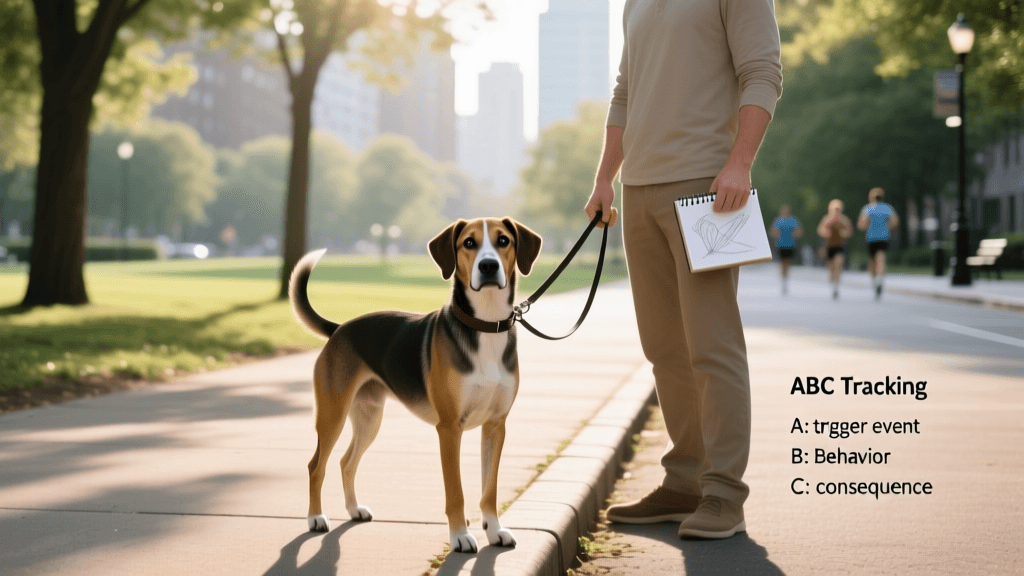
Before you can teach a dog what to do, you must understand how they learn. Dogs do not possess human reasoning, nor do they understand the English language. Instead, they learn primarily through association and consequences—a concept known in behavioral science as operant conditioning. When a behavior results in a positive outcome, the dog is likely to repeat it. When a behavior results in nothing or a negative outcome, the behavior will eventually fade.
The most effective and humane method for teaching dogs is positive reinforcement. This involves rewarding your dog immediately after they perform a desired behavior, thereby increasing the likelihood that they will do it again. Rewards can be high-value treats, verbal praise, a favorite toy, or a game of tug-of-war.
Step-by-Step: Finding Your Dog's Motivator
- Test Different Rewards: Gather a variety of treats (e.g., small pieces of chicken, cheese, or commercial training treats), toys, and affection. Present them to your dog in a distraction-free environment.
- Observe Their Reaction: Note which reward makes your dog the most excited and focused. A dog that works eagerly for a piece of hot dog but ignores a dry biscuit is telling you what they value most.
- Create a Reward Hierarchy: Use lower-value rewards for easy tasks in familiar environments, and save the highest-value rewards for difficult tasks, like recall in a busy park or learning a completely new skill.
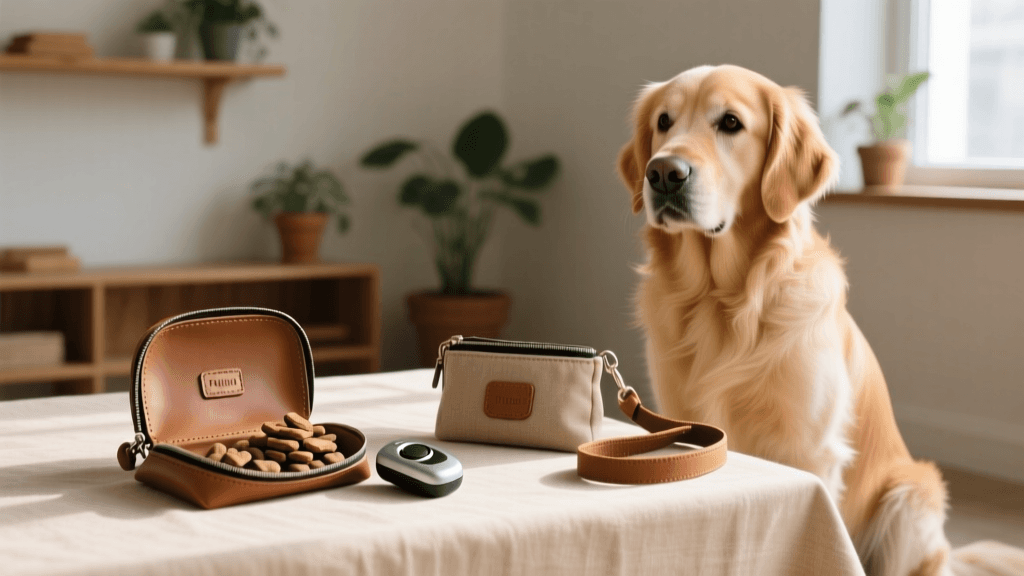
- Use a Marker Word: Choose a marker word like "Yes!" or use a clicker. The exact moment your dog performs the correct action, use the marker, followed immediately by the reward. This bridges the gap between the action and the treat, clarifying exactly what they did right.
Understanding these psychological foundations will make every subsequent step in your training journey significantly easier and more enjoyable for both you and your dog.
2. Essential Commands Every Dog Should Know
While teaching your dog to roll over or play dead is fun, there are core commands that are vital for their safety and your sanity. Mastering these foundational cues creates a framework for more advanced dog commands later on.
How to Teach 'Sit'
The 'Sit' command is often the easiest to teach because it utilizes a dog's natural anatomy.
- Hold a high-value treat close to your dog's nose.
- Slowly move the treat upward and slightly backward over their head.
- As their nose follows the treat up, their bottom will naturally lower to the ground.
- The exact second their bottom touches the floor, say your marker word ("Yes!") and give them the treat.
- Repeat this process, eventually adding the verbal cue "Sit" just before you move your hand.
How to Teach 'Down'
- Start with your dog in a sitting position.
- Hold a treat at their nose and slowly lower it straight down to the floor between their front paws.
- Once their nose reaches the floor, slowly drag the treat outward toward you along the ground, forming an "L" shape with your hand movement.
- As their elbows touch the ground, mark the behavior and reward.
How to Teach 'Stay' (The 3 Ds)
The 'Stay' command relies on three pillars: Duration, Distance, and Distraction. Never work on all three at once. If you increase distance, decrease duration. Always set your dog up for success.
- Ask your dog to sit or lie down.
- Hold your hand up like a stop sign and say "Stay."
- Wait just one second, mark the behavior, and reward them while they are still in position.
- Gradually increase the time (Duration) before rewarding.
- Once they can hold it for 10 seconds, take one step back (Distance), immediately return, mark, and reward.
- Finally, introduce environmental factors (Distraction) only when the first two Ds are rock solid.
How to Teach 'Come' (Recall)
Recall is arguably the most important safety command your dog will ever learn. It can save their life if they slip their collar near a busy road.
- Start indoors on a long leash. Say your dog's name followed by "Come!" in an enthusiastic, joyful tone.
- Gently guide them toward you with the leash if necessary, or run backward to trigger their prey drive to chase you.
- When they reach you, throw a "reward party" with high-value treats and enthusiastic praise.
- Never call your dog to you for something they perceive as negative (like a bath or nail trim). Recall must always mean wonderful things happen.
3. House Training & Crate Training Basics
House training is often the most stressful aspect of bringing home a new puppy or rescue dog. The secret to success lies in management, routine, and preventing accidents before they happen. For a deeper dive into setting up the perfect indoor environment, check out our complete crate training basics guide.
Establishing a Potty Routine
Dogs thrive on predictability. A general rule of thumb for puppies is that they can hold their bladder for one hour per month of age, up to a maximum of about eight hours for an adult dog. However, during active training, you should take them out much more frequently.
- Take your dog outside immediately after they wake up, after every meal, after vigorous play sessions, and right before bed.
- Choose a specific "potty spot" in your yard and always take them to that exact location. The scent of their previous visits will trigger the urge to go.
- Use a specific cue word like "Go potty" while they are in the act.
- The moment they finish, praise them lavishly and offer a treat. Do not wait until you get back inside to reward them, or they will associate the reward with coming inside, not with eliminating outdoors.
Crate Training as a Management Tool
A crate is not a punishment; it is a den. Dogs are naturally denning animals and seek out small, enclosed spaces for security. When introduced properly, a crate becomes your dog's safe haven and your best ally in preventing indoor accidents, as dogs instinctively avoid soiling their sleeping area.
- Leave the crate door open and toss high-value treats and favorite chew toys inside. Let the dog enter and exit freely.
- Begin feeding them their meals inside the crate to build a strong positive association.
- Once they are comfortable resting inside, close the door for short periods while you sit nearby.
- Gradually increase the time the door is closed and the distance between you and the crate.
- Never use the crate as a time-out for bad behavior, as this will create anxiety and resistance.
- Use a front-clip harness to gently discourage pulling without harming your dog's trachea.
- Start in a low-distraction environment like your hallway or living room.
- Hold a treat in your hand right at your dog's nose level by your leg to keep them in the "heel" position.
- Take a few steps, mark, and reward them for staying by your side.
- When you move outdoors and your dog pulls, immediately stop walking like a tree. Do not yank the leash; simply become dead weight.
- Wait for your dog to look back at you or take a step backward to relieve the tension on the leash.
- The second the leash is loose, mark the behavior, reward, and resume walking.
- Carry your unvaccinated puppy in a sling or backpack to expose them to traffic noises, crowds, and different environments safely.
- Let your dog observe new stimuli from a distance where they feel comfortable. If they are staring, panting heavily, or trying to flee, you are too close.
- Pair new, potentially scary experiences (like the sound of a garbage truck or the sight of a person in a hat) with high-value treats to change their emotional response from fear to anticipation of a reward.
- Keep Sessions Short: Dogs, especially puppies, have short attention spans. Aim for three to five 5-minute training sessions per day rather than one grueling hour-long session.
- End on a High Note: Always finish your training session with a command your dog knows well and can perform easily. This leaves them feeling confident and eager for the next session.
- Practice Everywhere: A dog that sits perfectly in your kitchen may not sit in the park. Dogs are contextual learners. You must generalize commands by practicing in various locations with increasing levels of distraction.
- Be Consistent: Everyone in the household must use the exact same verbal cues and enforce the same rules. If "Down" means "get off the couch" to one person but "lie on the floor" to another, your dog will be thoroughly confused.
- Repeating Commands: Saying "Sit, sit, sit, sit!" teaches your dog that the command is actually "sitsitsitsit" and that they do not need to respond the first time. Say the cue once, wait up to five seconds, and if they do not respond, reset their attention and try again.
- Accidental Reinforcement: If your dog jumps on you for attention and you push them away while saying "No," you are still giving them physical contact and attention. The correct response is to turn your back completely and ignore them until all four paws are on the floor.
- Using Punishment: Yelling, hitting, or using aversive tools like shock collars creates fear and anxiety. A fearful dog cannot learn; they are only focused on survival. Positive reinforcement builds trust, whereas punishment destroys it.
- Training When Frustrated: Dogs are incredibly adept at reading human body language and emotional states. If you are having a bad day and feel your frustration rising, end the session immediately. Take a deep breath and try again tomorrow.
4. Leash Training & Socialization
Walking your dog should be a relaxing and enjoyable experience, not a tug-of-war. Furthermore, exposing your dog to the world safely is crucial for their mental well-being. Different breeds experience the world differently; for example, a scent-driven Beagle will face different leash challenges than a visually stimulated Border Collie or an independent Siberian Husky. Understanding your dog's breed traits can greatly inform your training approach.
Step-by-Step Loose Leash Walking
Dogs pull on the leash because it works; pulling gets them to the tree they want to sniff faster. You must teach them that pulling actually stops forward momentum.
The Importance of Early Socialization
Socialization is not just about your dog playing with other dogs; it is about teaching them to remain calm and neutral in the presence of new people, animals, sounds, and surfaces. For a comprehensive timeline on how to safely expose your puppy to the world, read our puppy socialization guide.
5. Pro Tips & Common Beginner Mistakes to Avoid
Even with the best intentions, beginners often fall into traps that can inadvertently slow down progress or create behavioral issues. Here are some expert tips and common pitfalls to watch out for.
Pro Tips for Success
Common Mistakes to Avoid
Frequently Asked Questions (FAQ)
How long does it take to train a puppy?
Training is a lifelong process, not a one-time event. However, you can expect to see significant progress with basic obedience and house training within the first 4 to 6 months of consistent, daily practice. Remember that puppies go through developmental stages, including fear periods and adolescence, where they may seem to "forget" their training. Patience and consistency during these phases are crucial. A well-trained adult dog is the result of years of ongoing reinforcement and relationship building.
What is the best age to start training a dog?
The best time to start training is the day you bring your dog home, regardless of their age. Puppies as young as 8 weeks old are highly receptive to learning and can begin mastering basic cues, handling exercises, and house training routines. If you adopt an older rescue dog, they can absolutely learn new tricks and unlearn bad habits, though it may require more patience to overwrite previously established behaviors. The myth that "you can't teach an old dog new tricks" is entirely false.
How do I stop my dog from biting or nipping?
Puppy nipping is a normal exploratory behavior, but it must be redirected. When your puppy's teeth touch your skin, let out a high-pitched "Ouch!" or yelp to mimic the sound a littermate would make, and immediately withdraw your attention by standing up and turning away for 10 seconds. Provide appropriate chew toys and praise them heavily when they bite the toy instead of you. Never use your hands to wrestle with a puppy, as this teaches them that human hands are toys. For breeds with high prey drives, like the German Shepherd, structured tug-of-war games with strict "drop it" rules are excellent for teaching bite inhibition.
Should I use treats for every training session?
In the initial stages of learning a new behavior, yes. Continuous reinforcement (rewarding every single success) helps the dog understand exactly what is expected of them. Once a behavior is reliably learned in a low-distraction environment, you should transition to a variable ratio schedule of reinforcement. This means rewarding the behavior unpredictably—perhaps every second or third time, or giving a "jackpot" reward for an exceptionally fast response. This unpredictability actually makes the behavior stronger, much like a slot machine keeps humans engaged. Over time, you can also replace food rewards with life rewards, such as earning a walk or a game of fetch for sitting politely at the door.
What if my dog is not food motivated?
Every dog is motivated by something, even if it isn't food. If your dog turns their nose up at treats, first ensure you are using high-value, aromatic options like real meat or cheese, rather than dry kibble. If food still isn't working, discover what else drives them. Some dogs are highly toy-motivated and will work tirelessly for a tennis ball or a flirt pole. Others are deeply motivated by environmental rewards, such as the opportunity to sniff a bush or greet a friendly stranger. Use these "life rewards" to your advantage by asking for a 'Sit' before granting access to the things your dog naturally desires.
Conclusion
Training your dog is a profound investment in your shared future. It requires time, empathy, and a willingness to see the world from your dog's perspective. By utilizing positive reinforcement, maintaining a consistent routine, and avoiding common pitfalls, you are laying the groundwork for a harmonious household. Remember that setbacks are a normal part of the learning curve. Celebrate the small victories, remain patient during the challenging moments, and cherish the incredible bond that grows with every successful training session. Explore more of our training guides and breed profiles to continue your journey toward becoming the best possible advocate and companion for your dog.
Paws&Tales
All our authors care for dogs every day — read more of their work on the authors page.