The Ultimate Guide to Dog Training: Tips, Tricks & Proven Techniques
Discover expert dog training tips and tricks to build a stronger bond with your pup. Learn step-by-step techniques, avoid common mistakes, and master obedience.
Welcoming a dog into your life is an exciting journey filled with companionship, loyalty, and unconditional love. However, a harmonious relationship with your canine companion does not happen by accident. It requires dedication, patience, and a solid understanding of canine psychology. Whether you are bringing home a brand new puppy or adopting an older rescue, mastering dog training tips and tricks is essential for fostering a well-behaved and happy pet.
At Paws & Tales, we believe that training is not just about demanding obedience; it is about building a universal language between you and your dog. When you communicate clearly, your dog feels more secure, confident, and connected to you. In this comprehensive guide, we will explore the foundational principles of reward-based training, walk through step-by-step instructions for essential commands and fun tricks, and highlight the common pitfalls that can hinder your progress. Let us dive into the ultimate resource for transforming your furry friend into a polite and joyful family member.
The Foundation of Successful Dog Training
Before you ever ask your dog to sit or stay, you must establish a solid training foundation. Modern, science-based dog training relies heavily on positive reinforcement. This method focuses on rewarding desired behaviors, which increases the likelihood that the dog will repeat those behaviors in the future.
Understanding Positive Reinforcement
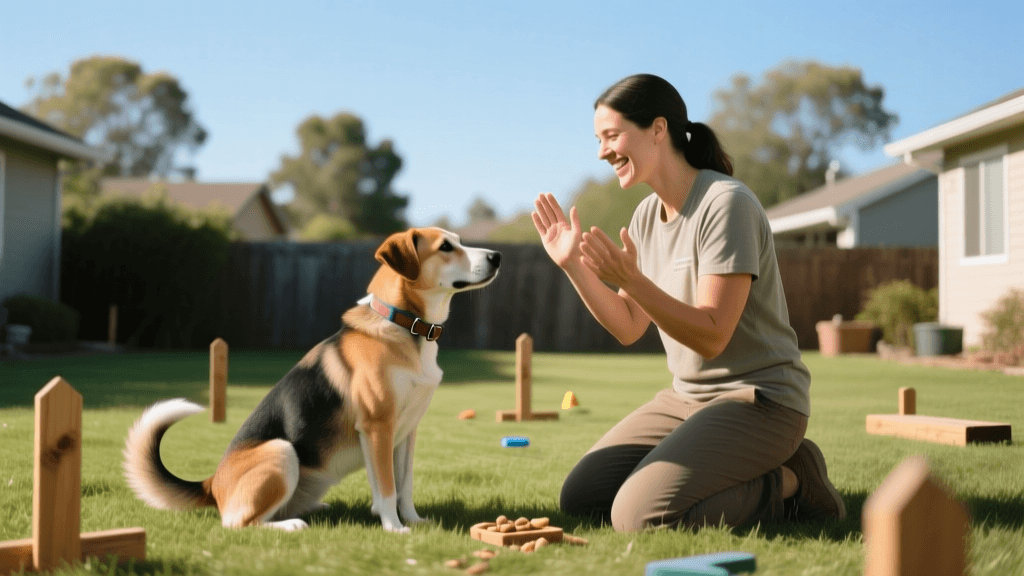
Positive reinforcement means adding something valuable to your dog immediately after they perform a desired action. This reward is usually a high-value treat, but it can also be verbal praise, a favorite toy, or a quick game of tug. When your dog realizes that listening to you results in wonderful things, they become an eager and willing participant in the training process.
The Importance of Timing
Timing is everything in dog training. Dogs live in the moment, and they associate rewards with the exact action they are performing at the second the reward is delivered. If you ask your dog to sit, but you hand them a treat three seconds after they have stood back up, you have just rewarded them for standing. To fix this, many trainers use a marker word like Yes! or a mechanical clicker to pinpoint the exact moment the dog gets it right, followed immediately by the reward.
Setting Up for Success
A distracted dog cannot learn effectively. When introducing a new command or trick, always start in a quiet, low-distraction environment like your living room. Once your dog reliably performs the behavior indoors, you can gradually increase the difficulty by moving to the backyard, then the front yard, and eventually a busy park. This process, known as proofing, ensures your dog can respond to your cues regardless of the environment.
Essential Commands Every Dog Should Know
Basic obedience commands are the building blocks of a safe and manageable dog. These cues are not just party tricks; they are vital tools for keeping your dog out of danger and ensuring they are a welcome guest in any setting.
1. Mastering the Sit Command
The sit command is often the first behavior taught because it is a natural resting position for dogs and an excellent default behavior for greeting people.
- Step 1: Hold a small, smelly treat close to your dog's nose.
- Step 2: Slowly move your hand up and slightly back over their head. As their nose follows the treat, their bottom will naturally lower to the ground.
- Step 3: The exact second their hindquarters touch the floor, say your marker word (Yes!) and give them the treat.
- Step 4: Repeat this luring motion several times without speaking. Once your dog is smoothly following the hand motion, add the verbal cue Sit just before you move your hand.
- Step 5: Gradually fade out the hand lure, relying only on the verbal cue and a subtle hand signal.
2. Building a Reliable Stay
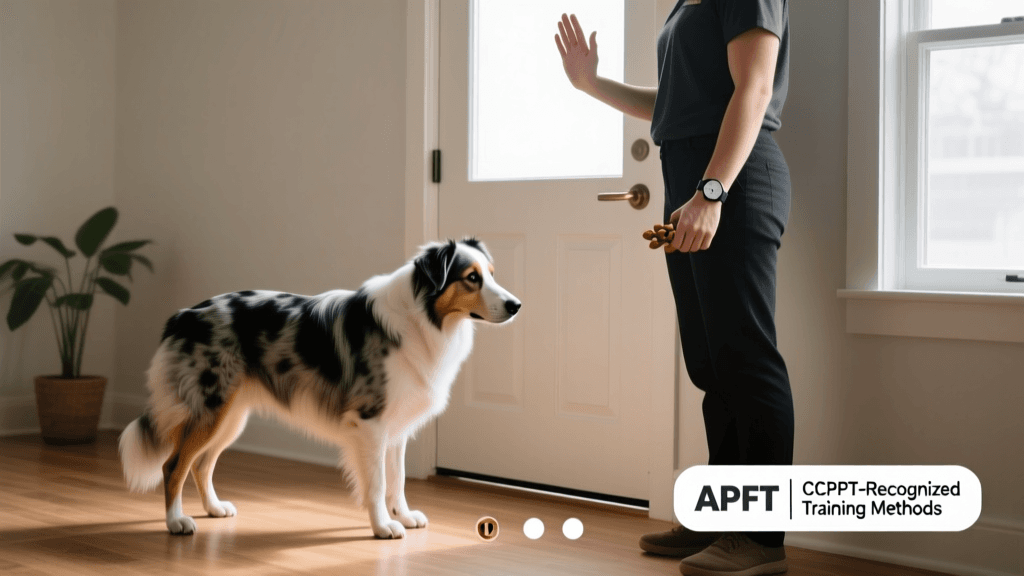
A solid stay can prevent your dog from bolting out the front door or rushing toward a dangerous hazard. To build a reliable stay, you must master the three Ds: Duration, Distance, and Distraction. Never increase more than one D at a time.
- Duration: Ask your dog to sit. Say Stay and hold your hand up like a stop sign. Wait just one second, mark Yes!, and reward. Slowly build up to five seconds, then ten, then thirty.
- Distance: Once your dog can hold a stay for thirty seconds while you stand right in front of them, take one half-step back. Immediately step back in, mark, and reward. Gradually increase the distance one step at a time.
- Distraction: Practice the stay while mild distractions are present, such as a family member walking across the room or a toy being tossed nearby.
3. The Life-Saving Recall (Come)
A reliable recall is arguably the most important command you will ever teach. It can save your dog's life if they slip their collar or head toward a busy road.
- Step 1: Start indoors with a long training leash attached to your dog's harness.
- Step 2: Say your dog's name followed by Come! in a highly enthusiastic, joyful tone.
- Step 3: Gently guide them toward you with the leash if necessary, and throw a massive reward party when they arrive. Use the highest value treats you have, such as boiled chicken or cheese.
- Step 4: Play the Hide & Seek game indoors. Hide in another room and call your dog. When they find you, reward them heavily. This makes coming to you an incredibly fun game.
Note: Never call your dog to you to punish them or do something they dislike, such as giving a bath or trimming nails. The recall must always result in a positive outcome.
4. Leave It and Drop It
These two commands are crucial for preventing your dog from ingesting toxic items, garbage, or dangerous objects off the ground. Leave It means do not touch that item, while Drop It means spit out what is currently in your mouth. For a deeper dive into managing your dog's environment and keeping them safe indoors, check out our comprehensive guide to crate training, which helps establish a secure, chew-free zone for your pet.
Fun Tricks to Impress Your Friends
Once your dog has a grasp on basic obedience, teaching fun tricks is a fantastic way to provide mental stimulation. Mental enrichment is just as tiring for a dog as physical exercise, making it an excellent tool for managing high-energy breeds.
Shake or Paw
This is a crowd-pleaser and incredibly easy to teach using the shaping method.
- Step 1: Place a treat inside your closed fist and present it to your dog.
- Step 2: Your dog will likely sniff, lick, and eventually paw at your hand to get the treat.
- Step 3: The moment their paw makes contact with your hand, mark Yes! and open your hand to give them the treat.
- Step 4: Repeat until they are confidently pawing your fist. Then, present an open, empty hand. When they place their paw in your open palm, mark, reward from your other hand, and add the verbal cue Shake.
Roll Over
Rolling over requires a dog to be comfortable exposing their belly, so ensure your dog is relaxed before attempting this trick.
- Step 1: Ask your dog to lie down.
- Step 2: Hold a treat at their nose and slowly draw a circle in the air toward their shoulder, encouraging them to roll onto their side.
- Step 3: Continue the circular motion over their spine. As their head follows the treat, their body will naturally flip over.
- Step 4: Mark and reward the completed roll. If your dog struggles, break the trick down into smaller pieces, rewarding them just for rolling onto their side first.
Spin and Twist
Teaching your dog to spin in a circle is a great way to improve their body awareness and flexibility. Simply use a treat to lure your dog's nose in a wide circle around their body. Use the cue Spin for counter-clockwise and Twist for clockwise. This trick is especially beneficial for athletic breeds like the Border Collie who thrive on physical and mental coordination exercises.
Pro Tips for Accelerating Your Dog's Learning
Even with the best techniques, some dogs learn faster than others. Implementing these pro tips will help you maximize your training efficiency and keep your dog engaged.
Establish a Treat Hierarchy
Not all treats are created equal. You need a hierarchy of rewards based on the difficulty of the task and the level of distraction in the environment.
- Low-Value Treats: Dry kibble or standard biscuits. Use these for easy, known behaviors in a quiet living room.
- Medium-Value Treats: Soft, chewy training treats or small pieces of hot dog. Use these when learning a new skill or practicing in the backyard.
- High-Value Treats: Boiled chicken, freeze-dried liver, or string cheese. Reserve these for high-distraction environments, recall training, or counter-conditioning. A highly food-motivated breed like the Golden Retriever will work incredibly hard for premium rewards.
Keep Sessions Short and Sweet
Dogs have relatively short attention spans, especially puppies. Training for an hour straight will only lead to frustration for both of you. Instead, aim for three to five micro-sessions a day, lasting no more than five to ten minutes each. Ending the session while your dog is still eager and having fun ensures they will be excited for the next one.
Utilize Life Rewards
Food is not the only currency your dog values. You can use the Premack Principle, which states that a more probable behavior can be used to reinforce a less probable behavior. For example, if your dog wants to go outside, ask them to sit before opening the door. The act of going outside becomes the reward for sitting. This seamlessly integrates training into your daily routine without always needing a treat pouch.
Understand Breed-Specific Traits
Different breeds were developed for different jobs, which heavily influences how they learn and what motivates them. A German Shepherd may be highly driven by toy play and protection work, while a scent hound might be easily distracted by smells and require specialized engagement techniques. Tailoring your training approach to your dog's genetic predispositions will yield much faster results.
Common Dog Training Mistakes to Avoid
Even the most dedicated pet parents can fall into bad habits that confuse their dogs. Recognizing and correcting these common mistakes is vital for your training success.
Repeating the Cue
Saying Sit, sit, sit, sit! is one of the most common errors handlers make. If you repeat the command, you are inadvertently teaching your dog that the cue is actually sit-sit-sit-sit, or worse, that they do not need to listen until the fourth time you ask. Give the cue once, wait up to five seconds, and if the dog does not respond, reset them and try again in a less distracting environment.
Using Punishment and Intimidation
Aversive methods, such as yelling, leash popping, or using shock collars, rely on fear and suppression. While these methods might stop a behavior temporarily, they do not teach the dog what to do instead. Furthermore, punishment can lead to fallout, including anxiety, fear-aggression, and a breakdown of trust. Positive reinforcement builds a confident, happy dog who chooses to make good decisions.
Inconsistent Rules
If you do not allow your dog on the furniture, but your partner lets them sleep on the bed, your dog will become confused. Dogs thrive on clear, consistent boundaries. Ensure that every member of the household is on the same page regarding rules, cues, and rewards. Inconsistency is the fastest way to stall your training progress.
Training When Frustrated
Dogs are masters at reading human body language and emotional states. If you are having a bad day and feel your frustration rising during a training session, your dog will sense it and likely shut down or become anxious. If you feel yourself getting annoyed, end the session on a positive note with an easy trick, put the treats away, and try again tomorrow.
Frequently Asked Questions (FAQ)
How long should training sessions be?
For most adult dogs, a training session should last between ten to fifteen minutes. Puppies, however, have much shorter attention spans and may only be able to focus for two to five minutes at a time. The golden rule is to end the session before your dog loses interest. Multiple short sessions spread throughout the day are vastly superior to one long, exhausting marathon session. Always finish with a success and a jackpot reward to leave your dog feeling accomplished.
What is the best age to start training a puppy?
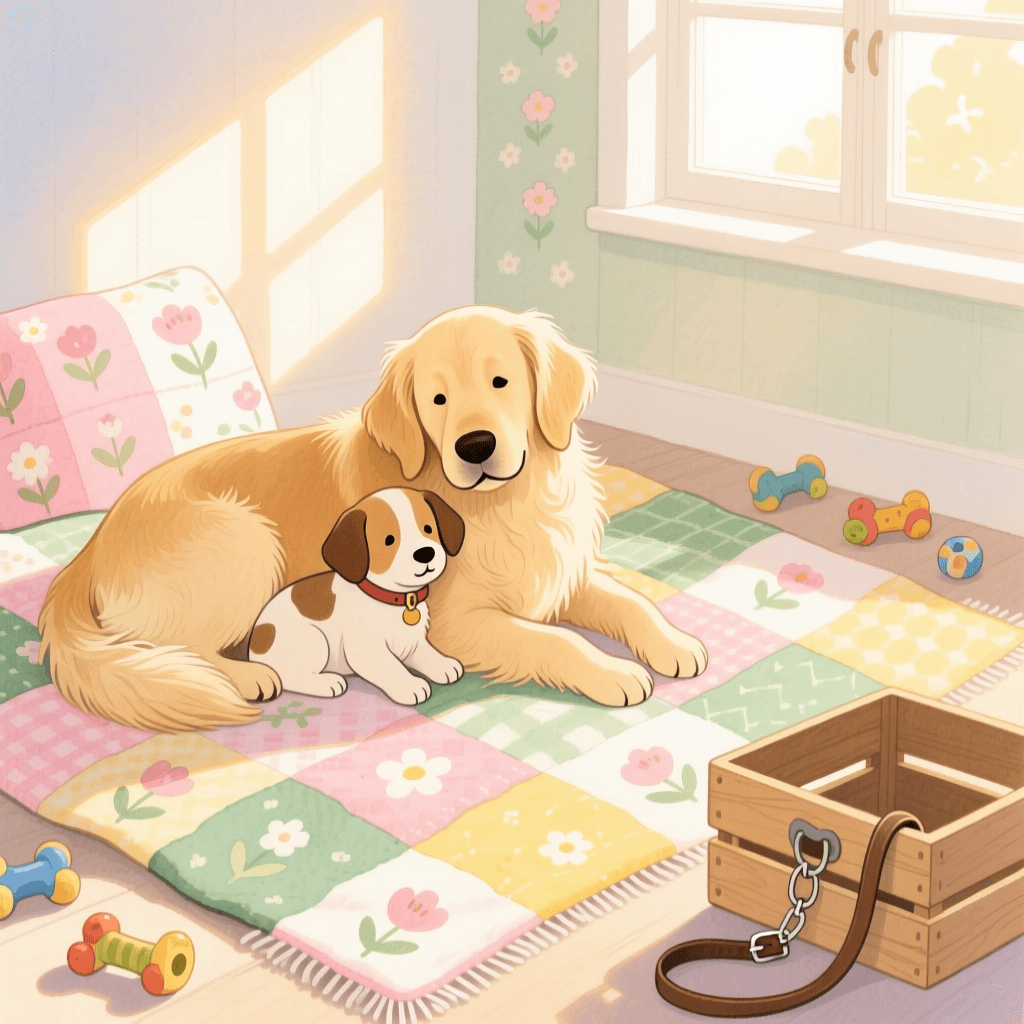
You should begin training your puppy the moment they come home, which is typically around eight weeks of age. Early puppyhood is a critical socialization window. While they may not master complex obedience right away, they are highly capable of learning basic manners, bite inhibition, and foundational routines. For new puppy parents, establishing a solid routine early on is crucial, which is why we highly recommend starting with our puppy potty training guide to prevent indoor accidents from becoming a habit.
How do I stop my dog from pulling on the leash?
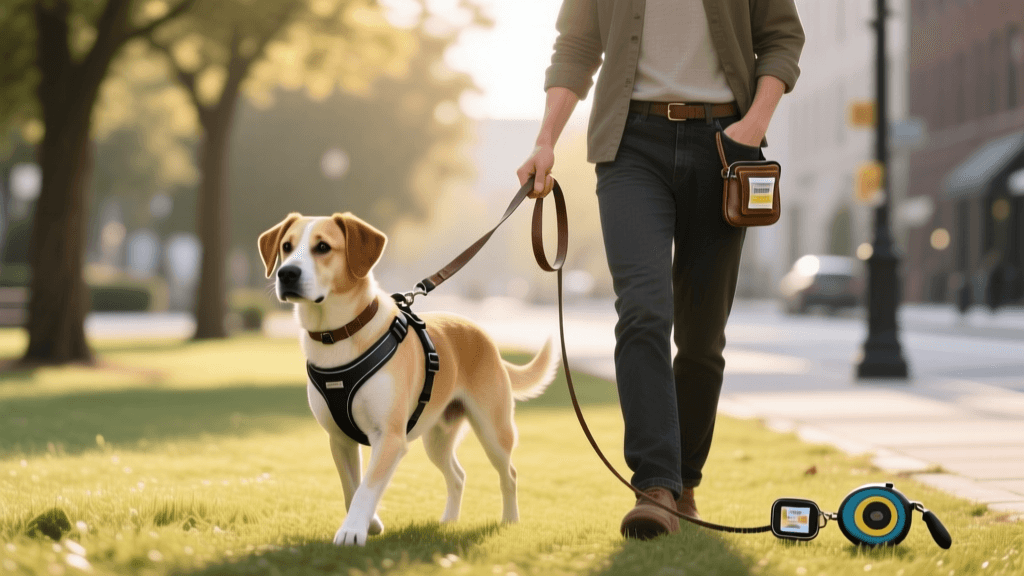
Leash pulling is a natural behavior for dogs because they walk faster than we do and are eager to explore. To stop pulling, you must teach your dog that a loose leash is the only way to move forward. The most effective method is the Be a Tree technique: the moment the leash goes tight, stop walking completely. Do not yank the dog back; simply stand still. Wait for your dog to look back at you or take a step back to create slack in the leash. The second the leash is loose, mark Yes! and resume walking. Consistency is key here. For a complete breakdown of harness selection and outdoor walking strategies, visit our detailed leash training guide.
Why does my dog ignore me outside?
If your dog listens perfectly in the kitchen but ignores you at the park, they are not being stubborn; they are simply overwhelmed by environmental distractions. A park is filled with incredible smells, other dogs, and moving wildlife. To compete with these distractions, you must become the most interesting thing in the environment. Use ultra-high-value treats, bring a favorite tug toy, and practice your engagement exercises in progressively busier areas. Never let your dog off-leash in an unsecured area until their recall has been heavily proofed against extreme distractions.
Is clicker training better than using verbal markers?
A clicker is a small mechanical device that makes a distinct clicking sound. Many professional trainers prefer the clicker over a verbal marker like Yes! because the sound is unique, consistent, and devoid of human emotion. If you are frustrated, your verbal marker might sound sharp or angry, which can confuse the dog. The clicker always sounds exactly the same. However, a verbal marker is perfectly fine for everyday pet training and has the distinct advantage of always being with you, whereas you might forget to bring your clicker on a walk. Both methods are highly effective when paired correctly with a reward.
Final Thoughts on Your Training Journey
Dog training is not a destination; it is a lifelong journey of communication and mutual respect. There will be days when your dog seems to forget everything they have learned, and there will be days when they perform flawlessly. Embrace the process, celebrate the small victories, and remember that every training session is an opportunity to deepen the bond you share with your best friend.
By utilizing positive reinforcement, maintaining consistency, and avoiding common pitfalls, you are setting your dog up for a lifetime of success. Whether you are working on basic manners, advanced tricks, or managing behavioral quirks, patience and empathy will always be your greatest tools. Keep exploring our resources at Paws & Tales for more breed-specific advice, behavioral guides, and enrichment ideas to ensure your canine companion lives their happiest, most fulfilling life.
Paws&Tales
All our authors care for dogs every day — read more of their work on the authors page.